
How to Extend Your Whirlpool Washer Water Inlet Valve Life — Maintenance Guide
Always turn off both hot and cold water supply valves before disconnecting hoses. Keep towels handy as trapped water will drain. Never over-tighten hose connections — hand-tight plus 1/4 turn with pliers is sufficient.
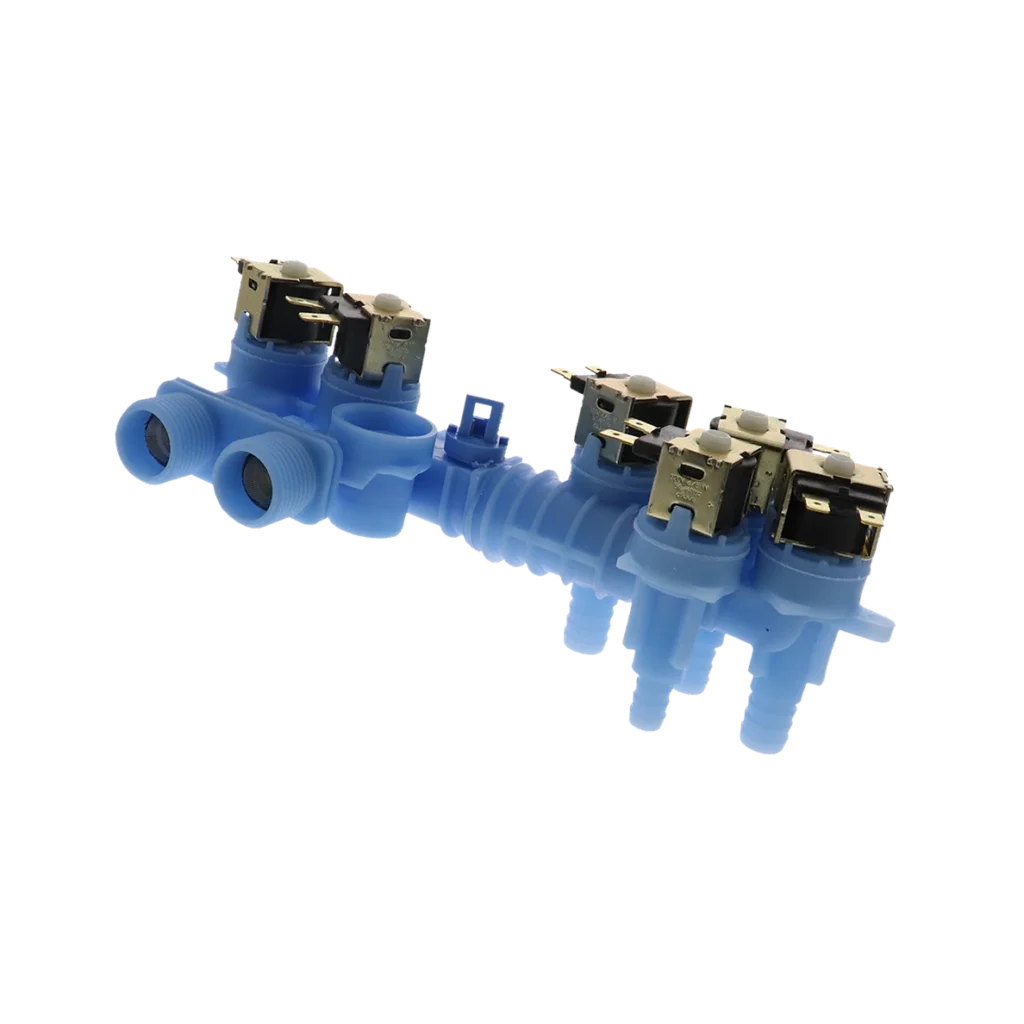
Most water inlet valves should last 8-12 years, but I've seen the W10853723 fail in as little as 3 years on hard water systems. The difference? A maintenance routine that takes about 5 minutes twice a year.
This valve controls water flow into your Whirlpool, Maytag, or KitchenAid washer. When it fails, you'll either get no water, slow fills, or water leaking behind the machine while you're at work. Let's prevent that.
How Long Should It Last?
Under ideal conditions — soft water, clean supply lines, moderate use — the W10853723 can last 10-15 years. But here's what actually happens:
Average lifespan: 6-8 years. Why the gap? Three things kill these valves early:
- Sediment buildup in the inlet screens reduces flow and forces the solenoid to work harder
- Hard water deposits prevent the valve from sealing completely, causing leaks
- Pressure spikes from your home's plumbing can crack the valve housing
I've replaced inlet valves in 2-year-old washers because nobody knew those little screens existed. On the flip side, I've seen original valves still working after 18 years in homes with water softeners and pressure regulators.
Signs It's Wearing Out
The W10853723 doesn't just quit overnight. It gives you warnings — you just need to know what to watch for.
Leaking Behind the Washer
This is the most common symptom I see. You'll notice water pooling behind the machine or damp spots on the wall. The leak usually starts small — maybe a drop every few minutes — then gets worse over weeks.
Check the hose connections first (they're often the culprit), but if water's dripping from the valve body itself, the internal diaphragm has failed. Once that starts, it won't fix itself.
Water Filling Issues
Your washer takes forever to fill, or it doesn't fill at all. Sometimes only hot or cold works. This happens when sediment clogs the screens or when one of the two solenoids (hot and cold) fails internally.
Here's a quick test: turn off the washer, disconnect the hoses, and look at the inlet screens with a flashlight. If you can't see through them clearly, that's your problem right there.
Clicking or Buzzing Sounds During Fill
The solenoids inside click when they open and close — that's normal. But if you hear continuous buzzing or rapid clicking, the valve's trying to open but can't. Usually means the solenoid coil is weak or there's something blocking the valve mechanically.
This often happens after a power outage or voltage spike. The electronics get damaged even though the valve looks fine from outside.
Water Continues After Cycle Ends
The valve should completely shut off when the washer's full. If water keeps trickling in, you'll hear it running and the washer might overfill. This is a failed valve that's stuck partially open — replace it before you come home to a flood.
When to Replace vs Maintain
Let's be straight about this: inlet valves aren't really repairable. You can't replace internal parts, and you can't fix a cracked housing. But you can prevent most failures with basic maintenance.
Maintain if:
- The valve's working fine but you want to extend its life
- You've noticed slightly slower fill times (probably just dirty screens)
- You have hard water and want to prevent deposits
- It's been more than a year since you checked it
Replace if:
- You see any leaking from the valve body
- Only hot OR cold water works (means one solenoid's dead)
- The valve buzzes constantly but doesn't fill
- You've cleaned the screens and still have slow/no fill
- There's visible cracks or damage to the plastic housing
The W10853723 costs about $80. A maintenance check costs you nothing but 10 minutes. Do the math.
The Twice-a-Year Maintenance Routine
Do this every 6 months — I recommend when you change your HVAC filters so you don't forget:
1. Turn off both water supply valves behind the washer. Turn them clockwise until they stop.
2. Unscrew both inlet hoses from the back of the washer. Keep a towel handy — some water will drip out.
3. Remove and clean the screens. You'll see small mesh screens in each inlet port. Pull them out gently with needle-nose pliers. Rinse under running water and scrub with an old toothbrush. If they're damaged or won't come clean, replace them — they're a few dollars at any hardware store.
4. Inspect the valve housing. Look for cracks, especially around where the hoses connect. Check for white crusty deposits (hard water buildup). If you see any, wipe them off with a vinegar-soaked cloth.
5. Check the hose washers. While you've got the hoses off, look at the rubber washers inside each hose end. If they're flat, cracked, or hard, replace them. Bad washers cause leaks that'll make you think your valve's failing.
6. Reconnect everything. Hand-tighten the hoses, then give them a quarter-turn with pliers. Don't over-tighten — you'll crack the plastic valve ports.
7. Turn the water back on slowly. Open the valves gradually and check for leaks. Run a rinse cycle and watch the valve while it fills.
The Hard Water Problem
If you have hard water, those screens will clog fast. Some homes in Arizona, Nevada, and parts of Texas need to clean them every 3 months. You'll know you have hard water if you see white buildup on faucets or your dishes come out of the dishwasher spotty.
Consider installing an inline filter on your washing machine supply lines. They're about $15 each and catch sediment before it reaches the valve. Replace the filter cartridges every 6 months.
A whole-house water softener is the ultimate solution, but that's a bigger investment. Even just treating the washer supply lines makes a huge difference in valve lifespan.
What About Water Pressure?
Your home's water pressure should be between 40-80 PSI. Higher than that and you're stressing the valve every time it opens. You might not see problems immediately, but over time high pressure causes micro-cracks in the valve housing.
If your water pressure's above 80 PSI, install a pressure regulator on your main water line. It'll help everything in your house, not just the washer. You can check your pressure with a $10 gauge from the hardware store — just screw it onto an outdoor spigot and turn on the water.
Frequently Asked Questions
How often should I replace the inlet screens even if they look okay?
If your water quality is good, those screens can last the life of the valve. But if you have well water or old galvanized pipes, replace them every 2-3 years as preventive maintenance. They're cheap insurance against a $80 valve replacement. You'll find generic screens at hardware stores, or get OEM replacements from heima.com if you want exact specs.
Can I use the washer with only one water line connected?
Technically yes — most cycles will still work — but you'll only get cold water. The washer will try to add hot water and wait, then eventually time out and continue with cold. This puts extra stress on the cold water solenoid since it's doing double duty. If your hot water valve fails, replace it soon rather than limping along on cold-only.
Why does my valve leak only during the fill cycle?
Because that's when water pressure's pushing against it. A small crack or worn seal might not leak when the valve's closed and there's no pressure. But once water starts flowing, it forces its way through any weakness. This is actually good news — it helps you catch valve problems before they become major floods. If you see drips only during filling, schedule a replacement soon.
Element showing wear?
W10853723 · Replace before it fully fails