
How to Extend Your Whirlpool Water Inlet Valve Life — W10289387 Maintenance Guide
Always turn off water supply before disconnecting hoses. Check local codes for backflow prevention requirements. Never force valve removal — heat the hoses with warm water if stuck.
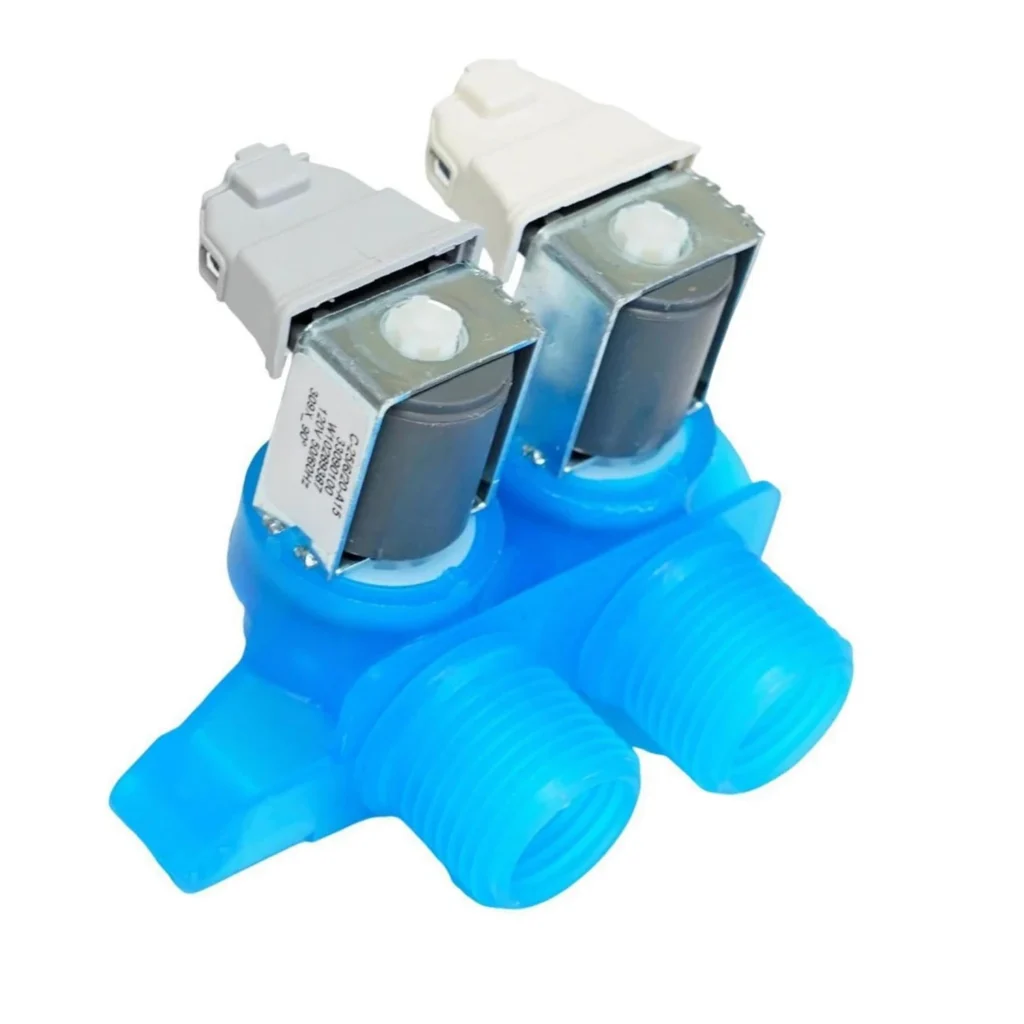
Most water inlet valves fail between 5-8 years, but I've seen the W10289387 last 12+ years with proper care. The difference? Regular attention to water quality and catching the warning signs early. This valve controls water flow into your Whirlpool, Maytag, or Amana washer — when it starts failing, you'll notice fills taking forever or water leaking behind the machine.
How Long Should Your Inlet Valve Last?
The W10289387 is built to handle roughly 3,000-5,000 wash cycles. For most households, that's 6-8 years of reliable service. But here's what actually determines lifespan:
Water quality is everything. Hard water leaves mineral deposits that clog the screens and bind up the solenoid. If you've got hard water (above 7 grains per gallon), expect valve life to drop by 30-40% without preventive care.
Your fill pressure matters too. Water pressure over 120 PSI stresses the valve diaphragm constantly. Below 20 PSI, the valve struggles to open fully, which wears the solenoid faster. The sweet spot is 40-80 PSI.
Models like the WFW9400SW04, MHW6000XW1, and WFW94HEXW0 use this valve heavily — they're high-efficiency front-loaders that cycle the valve frequently during rinses and steam cycles.
Signs Your Valve Is Wearing Out
The W10289387 doesn't just die suddenly. It gives you weeks or months of warning if you're paying attention.
Slow or Incomplete Fills
When your washer takes 10+ minutes to fill or stops mid-fill, the valve screens are probably clogged with sediment. You'll hear water trickling instead of flowing. This happens gradually — first the hot side slows down, then cold, or vice versa depending on which solenoid is affected first.
Humming Without Water Flow
That buzzing sound when the washer tries to fill? The solenoid is energizing but the valve isn't opening. Could be mineral buildup on the plunger or a weakened solenoid coil. If you hear humming for more than 5 seconds with no water, the valve's on its way out.
Leaking From the Valve Body
Water pooling behind your washer means the rubber diaphragm inside has cracked or the valve body has developed stress cracks. This doesn't get better — once it's leaking, replacement is the only fix. Check the hose connections first, but if they're dry and the valve body is wet, you're done.
Inconsistent Water Temperature
When one side of the valve fails partially, you'll get cold washes when you selected warm, or lukewarm when you wanted hot. The valve has separate solenoids for hot and cold — if one sticks open or closed, your temperature control is gone.
Maintenance That Actually Extends Valve Life
Here's what I do on my own machines and recommend to customers:
Clean the inlet screens every 6 months. Turn off the water, unscrew the hoses, and pull out those little mesh screens with needle-nose pliers. Rinse them under running water and brush gently with an old toothbrush. You'll be shocked at the sediment buildup, especially if you have well water.
Check water pressure annually. Buy a $10 pressure gauge from any hardware store, screw it onto an outdoor spigot, and check your pressure. If it's over 80 PSI, install a pressure reducer before your washing machine. If it's under 30 PSI, you might need a booster or have sediment in your main line.
Flush supply lines twice a year. Turn off the water, disconnect both hoses from the valve, and let water run into a bucket for 30 seconds. This clears sediment before it reaches the valve screens. Do this especially if you have copper pipes and your water sits unused for days at a time.
Consider a whole-house filter. If you're replacing inlet valves every 3-4 years, sediment is killing them. A $40 sediment filter before your washer catches rust, sand, and mineral chunks. Change the cartridge every 6 months.
When to Replace vs Maintain
Be honest about what maintenance can and can't fix. Here's my decision framework:
Maintain if: Your washer is filling slowly but consistently, you haven't cleaned the screens in a year or more, there's no visible leaking, and the valve is under 5 years old. Clean the screens, check pressure, flush the lines. Give it another 6 months.
Replace if: The valve is leaking from the body (not the hose connections), you hear buzzing with no water flow even after cleaning screens, one side doesn't work at all, or the valve is 8+ years old and showing any symptoms. At $146.99, the W10289387 isn't cheap, but a catastrophic failure means water damage that costs thousands.
The gray area is partial failure on older valves. If your 7-year-old valve fills slowly even after screen cleaning, replacement makes more sense than chasing intermittent problems. You're buying peace of mind.
The Water Quality Factor Nobody Mentions
I've replaced hundreds of these valves, and there's a pattern: customers with soft water or whole-house filtration get 10-12 years. Customers with hard well water get 4-6 years with the same usage patterns.
If you're in hard water territory, maintenance isn't optional — it's survival. Clean those screens quarterly instead of semi-annually. Consider a water softener if you're replacing appliance valves every few years across your washer, dishwasher, and ice maker.
Well water adds another layer. If you have iron or manganese, you'll see orange or black staining on the screens. That stuff binds up solenoid plungers fast. A sediment filter plus an iron filter saves you hundreds in valve replacements.
Frequently Asked Questions
Can I clean the inside of the W10289387 valve to restore function?
Not really, no. The valve body is sealed — there's no way to access the solenoid plungers or diaphragm without destroying it. You can clean the external inlet screens (which helps a lot), but internal deposits require replacement. I've seen techs try to soak valves in vinegar or CLR, but the success rate is maybe 10%. If the valve is already showing symptoms after screen cleaning, replacement is your move.
How do I know if it's the valve or a clogged hose?
Disconnect both hoses from the valve, then turn the water on slightly into a bucket. If water flows freely from the hoses, they're clear. If flow is weak or dribbling, the hoses are clogged or kinked. Also check the hose screens — sometimes sediment packs into the fitting and restricts flow before it even reaches the valve. The valve itself only fails if you've got good hose flow but the washer still fills slowly or not at all.
Will a failing inlet valve damage my washer's control board?
Not directly, but here's the chain reaction: if the valve leaks internally and the washer overfills, water can back up into the pressure switch hose or even reach the control board. If the valve fails to open and your control board keeps trying to fill, it can burn out the relay that powers the valve circuit. I've seen control boards fail after months of fighting with a stuck valve. Replace a failing valve before it cascades into bigger problems.
Element showing wear?
W10289387 · Replace before it fully fails