
How to Extend Your GE Washer Drive Belt Life — WH01X27538 Maintenance Guide
Unplug washer before inspecting belt. Never touch belt while machine is running. Belt operates under tension and can cause injury if mishandled.
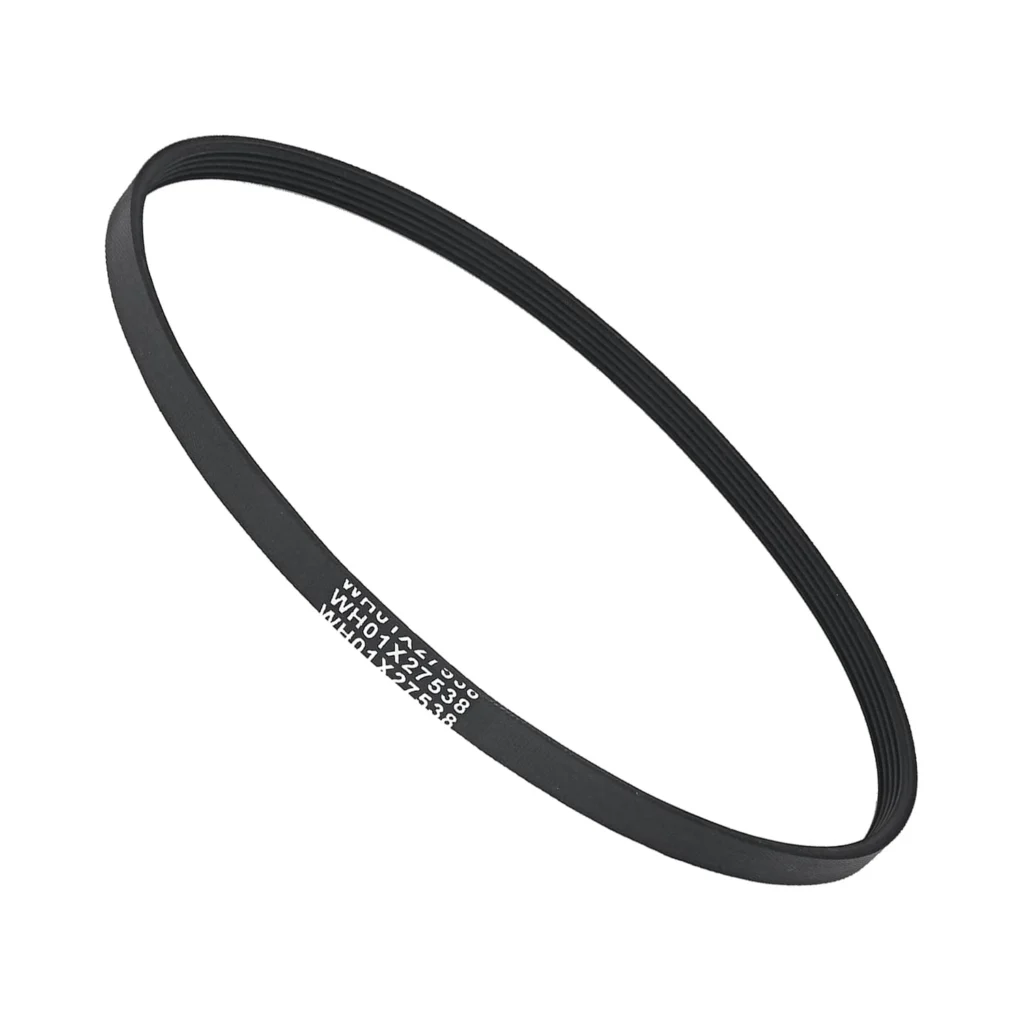
Most GE washer drive belts fail between years 5 and 7, but I've seen them last 12+ years with proper care. The difference? People who check their belt twice a year versus people who wait until their GTW465ASN3WW won't spin anymore.
The WH01X27538 belt handles every spin cycle, agitation cycle, and drain cycle your washer performs. That's thousands of rotations under tension every single week. It's not whether it'll wear out — it's when, and how much warning you'll get.
How Long Should It Last?
A washer drive belt typically lasts 5–8 years under normal use conditions. That's about 2,500–4,000 wash cycles if you're doing 8–10 loads per week. But here's what actually affects lifespan:
Heavy loads shorten belt life. Consistently maxing out your washer capacity puts extra rotational stress on the belt during spin cycles. The belt has to work harder to turn the drum, creating more friction and heat.
Overloading also prevents clothes from distributing evenly, which causes the drum to wobble. That wobble translates to uneven belt tension — tight on one side, loose on the other — wearing it out faster than balanced loads would.
Detergent buildup accelerates wear. When you use too much detergent or don't run cleaning cycles, residue accumulates on the drum and pulleys. The belt has to grip through that slippery film, causing it to slip and generate heat. I've pulled belts that looked glazed and shiny from detergent buildup alone.
Climate matters more than you'd think. Washers in humid basements or laundry rooms see belts deteriorate faster. Rubber doesn't like moisture and temperature swings. If your laundry area gets damp, you're looking at the lower end of that lifespan range.
Signs It's Wearing Out
Your washer will tell you when the drive belt needs attention. You just need to know what to listen and look for. These symptoms show up weeks or months before complete failure — if you catch them.
Spinning Issues and Slow Spin Cycles
When your GTW335ASN2WW takes forever to spin or leaves clothes soaking wet, the belt is likely slipping. It's still turning the drum, but not with enough grip to reach full speed. You'll notice the spin cycle sounds different — less aggressive, almost lazy.
This happens because the belt's inner surface gets worn smooth. New belts have a slightly textured surface that grips the pulleys. As that texture wears away, the belt can't transfer power efficiently. It's like trying to climb a rope with worn-out gloves.
Will Not Agitate or Won't Drain
If your washer fills with water but just sits there, or fills but won't drain afterward, the belt might have stretched or broken. The motor is running, but nothing's moving. Sometimes you'll hear the motor humming away while the drum stays motionless.
On models like the GTW465ASN9WW, the same belt drives both agitation and drainage functions through the transmission. When it fails, you lose both. The water just sits there because the pump isn't getting power from the motor.
Burning Smell During Operation
That rubber-burning smell during spin cycles? That's your belt screaming for help. It means the belt is slipping so badly against the pulleys that friction is literally melting the rubber surface. If you catch this smell, stop the cycle immediately.
Don't confuse this with a burnt electrical smell — belt burning smells specifically like hot rubber or tires. It'll linger in your laundry room for hours. By the time you smell it, the belt has probably lost significant material from its contact surfaces.
Noisy Operation and Marks on Clothes
Squealing, chirping, or rubbing sounds during any cycle point to belt problems. A healthy belt runs nearly silent. When you start hearing noise, the belt is either misaligned, cracked, or has debris stuck to it.
Black marks or rubber streaks on your clothes mean the belt is disintegrating. Small pieces break off, fly around the drum, and stick to wet fabric. Once you see marks, the belt is beyond maintenance — it's disintegrating and needs replacement within days, not weeks.
When to Replace vs Maintain
Here's the honest truth: belts are wear items, not lifetime components. Maintenance extends their life, but it won't prevent eventual replacement. You're deciding whether to get 7 years instead of 5, not whether to replace at all.
Replace if: You see cracks anywhere on the belt surface, even small ones. Cracks propagate fast once they start. You smell burning rubber during normal operation. The belt feels hard and inflexible instead of slightly pliable. You find black rubber pieces in the drum or on clothes.
Maintain if: The belt looks intact with no visible cracks. Your washer operates normally but you want to prevent problems. You're doing preventive maintenance on a washer under 5 years old. You've just replaced the belt and want to maximize its lifespan.
The WH01X27538 costs $13.99. A service call to diagnose spinning issues costs $100–150. Spending 20 minutes twice a year checking your belt is worth it.
Frequently Asked Questions
Can I lubricate my washer drive belt to make it last longer?
No. Never apply lubricants, belt dressing, or any substance to a washer drive belt. These products actually cause the belt to slip more, not less. The belt relies on friction to transfer power — lubricants reduce that friction. Plus, oils attract lint and detergent residue, creating a sludge that accelerates wear. Keep the belt and pulleys clean and dry.
How do I know if my belt is the right tension?
Press down on the belt midway between pulleys. It should deflect about half an inch with moderate finger pressure — not so tight it's rigid, not so loose it sags. Most GE top-loaders like the GTW220ACK7WW use a spring-loaded idler pulley that maintains tension automatically, so you can't adjust it. If the belt feels too loose despite the tensioner, the belt has stretched and needs replacement.
Will a worn belt damage other washer components?
Yes, and it'll cost you. When a belt slips continuously, the motor works harder and runs hotter trying to compensate. That shortens motor life and can burn out the motor windings. A slipping belt also puts irregular stress on the transmission and clutch assembly. I've seen transmissions fail within months after customers ignored belt symptoms. Replace a worn belt before it becomes a $400 motor or transmission repair.
Element showing wear?
WH01X27538 · Replace before it fully fails