
How to Extend Your Samsung Washer Drain Clutch Life — DC31-00090B Maintenance Guide
Disconnect power before any inspection. Never operate washer with access panels removed. Water and electricity don't mix — let unit dry completely if you find moisture during inspection.
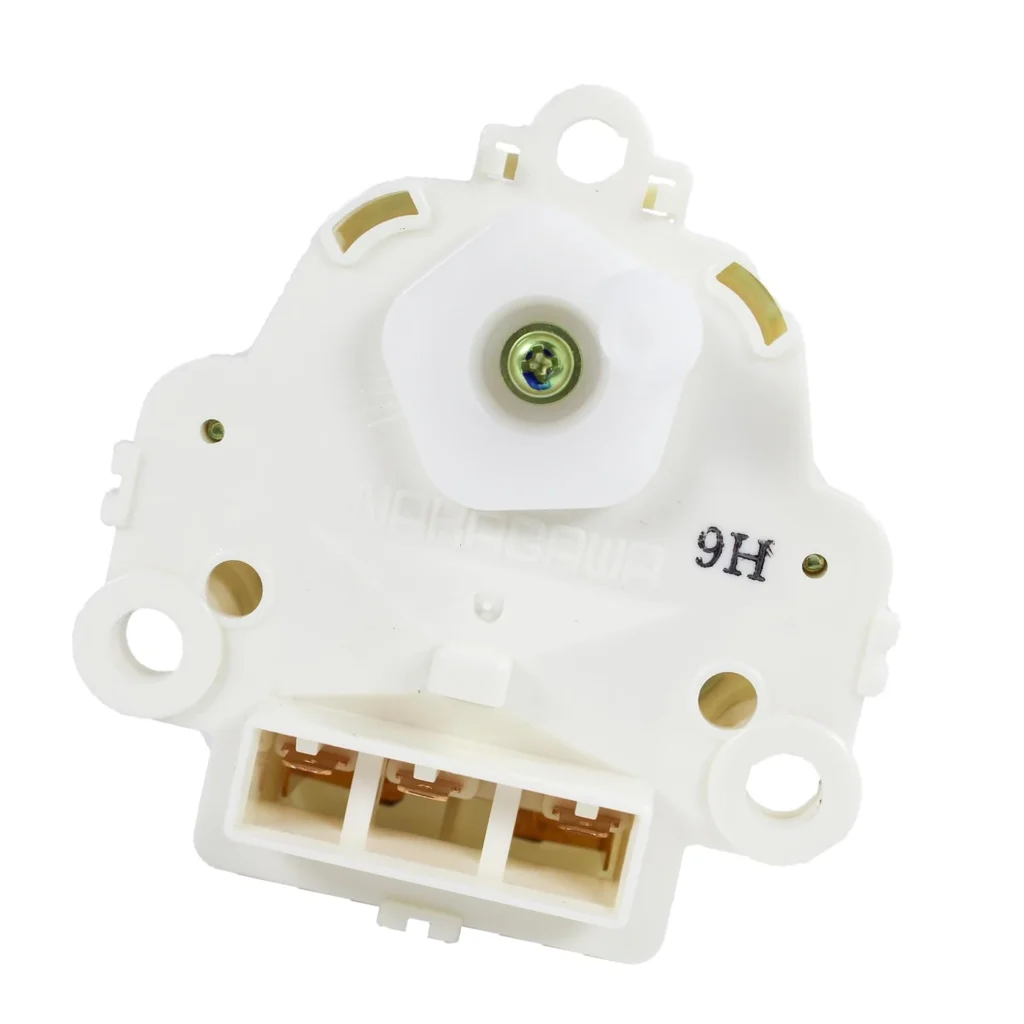
Most Samsung washer drain clutches fail between years 3 and 5, but here's the thing — they're engineered to last 8-10 years under normal conditions. That gap between expected and actual lifespan? It comes down to maintenance habits most people don't even know exist.
The DC31-00090B drain clutch assembly sits between your washer's drain pump and transmission, controlling the shift from wash to spin cycle. It's a mechanical component with moving parts, springs, and contact surfaces that wear differently depending on how you use your machine.
How Long Should It Last?
Under ideal conditions — balanced loads, proper detergent amounts, regular cleaning — the DC31-00090B should give you 8-10 years of service. That's roughly 2,500-3,000 wash cycles.
In reality, most units start showing problems around year 4. Why the disconnect?
The clutch mechanism relies on precise spring tension and clean contact surfaces. Detergent residue builds up over time. Fabric softener creates a film on internal components. Unbalanced loads create shock forces the springs weren't designed to handle repeatedly. Each of these chips away at lifespan.
Heavy users — families running 10+ loads per week — see faster wear. The clutch assembly doesn't get time to cool between cycles, and heat accelerates spring fatigue. If you're washing king-size comforters or heavily soiled work clothes regularly, you're asking more from the clutch than Samsung's engineers calculated for average use.
Signs It's Wearing Out
The drain clutch doesn't fail suddenly in most cases. It gives you warnings — you just need to know what you're listening and looking for.
Grinding or Clicking During Spin Transition
When your washer shifts from agitate to spin, you should hear a smooth mechanical engagement. If you're hearing grinding, clicking, or a stuttering sound during this transition, the clutch springs are likely losing tension or the contact surfaces are damaged.
This sound typically starts quietly — you might only notice it on quiet loads. As wear progresses, it becomes more pronounced. Don't ignore the early warning.
Inconsistent Spin Speed or Incomplete Draining
The clutch controls the engagement between drain pump and spin basket. When it's wearing out, you'll see clothes that are wetter than they should be after spin cycle. Sometimes the basket spins normally, sometimes it doesn't reach full speed.
This inconsistency is the key diagnostic clue. If your washer always failed to spin, you'd suspect the motor or belt first. But intermittent problems? That points to the clutch mechanism not engaging reliably.
Visible Leaking Near the Bottom of the Tub
The clutch assembly includes seals that prevent water from reaching the transmission. When these seals degrade — often from detergent buildup — you'll see small amounts of water pooling under the washer or dripping from the bottom panel.
Not every leak means clutch failure, but if you're seeing water AND hearing engagement noises, the clutch assembly is your likely culprit.
Maintenance Schedule That Actually Works
You can't directly access the clutch without disassembling your washer, but you can maintain the environment it operates in. Think of it like engine oil — you're not maintaining the pistons directly, you're maintaining what they operate in.
After Each Use
Leave the washer lid open for 30-60 minutes after your last load. This lets moisture evaporate instead of creating the humid environment where detergent residue becomes sticky buildup. The clutch assembly is below the drum — moisture drips down onto it when the lid stays closed.
Monthly Deep Clean
Run an empty hot water cycle with two cups of white vinegar. No clothes, no detergent. The vinegar breaks down soap scum and fabric softener residue that works its way into mechanical components.
Follow it with a second empty cycle using just hot water to rinse. This prevents vinegar from sitting on metal parts.
Quarterly Load Balancing Check
Every three months, check your washer's level. Use a carpenter's level across the top of the machine, front-to-back and side-to-side. Adjust the leveling feet until you're within 1/4 inch of perfect level.
An unlevel washer creates unbalanced loads, which slam the clutch mechanism with lateral forces it's not designed for. This is especially critical on upper floors where structural flex amplifies the problem.
Twice Yearly Deep Inspection
Pull the washer away from the wall and remove the lower access panel (two screws on most Samsung top-loaders). Look for:
- Water stains or dampness near the base of the tub
- White crusty buildup around drain hoses
- Unusual debris that might indicate internal wear
You're not taking anything apart — just looking. If you see water where it shouldn't be, that's your early warning system.
The Detergent Factor Nobody Talks About
High-efficiency washers — which all Samsung top-loaders are — require HE detergent. But here's what the detergent companies don't advertise clearly: you need LESS than you think.
The clutch mechanism operates in an environment that gets exposed to detergent residue. Regular detergent creates excessive suds. Those suds don't fully rinse away. The residue builds up on clutch springs and contact surfaces, creating friction where there should be smooth operation.
Use half the recommended amount of HE detergent. Your clothes will still get clean — modern HE detergent is concentrated. But you'll dramatically reduce the residue that shortens clutch life.
When to Replace vs Maintain
Maintenance extends life, but it doesn't reverse mechanical wear. Here's the honest decision framework:
Keep maintaining if:
- Your washer is less than 5 years old
- You're hearing early warning sounds but spin still works
- There's no visible leaking
- You can commit to the maintenance schedule
Plan for replacement when:
- Grinding sounds are present on every cycle
- Spin speed is noticeably slower even with balanced loads
- You see water leaking from the bottom of the tub area
- Your washer is 6+ years old with heavy use history
The DC31-00090B clutch assembly costs around $103. Professional installation runs $150-250 depending on your area. Total replacement cost: $250-350.
Compare that to a new mid-range Samsung top-loader at $800-1,200. If your washer is otherwise working well, replacing the clutch makes financial sense even on a 7-8 year old machine.
What About Fabric Softener?
Liquid fabric softener is brutal on drain clutches. It's essentially oil suspended in water — designed to coat fabrics. Problem is, it coats everything it touches.
That oily residue gets into the clutch mechanism through normal operation. Over time, it gums up springs and creates a sticky film on engagement surfaces. The clutch starts slipping instead of engaging cleanly.
If you love fabric softener, switch to dryer sheets. Your washer's mechanical components will last years longer. If you must use liquid, run an extra rinse cycle and do the monthly vinegar clean religiously.
Load Size Matters More Than You Think
Samsung's user manuals say you can fill the drum loosely to the top. Technically true. But from a clutch longevity perspective? That's pushing the limits of what the mechanism was designed to handle consistently.
Keep loads to 2/3 full as your normal practice. Save the full-drum loads for when you actually need them — after a vacation, seasonal bedding changes, that sort of thing.
The clutch engagement force scales with load weight. Smaller loads mean less stress, which means springs maintain tension longer. It's simple physics, but it makes a measurable difference in component life.
Compatible Models Using This Clutch
The DC31-00090B clutch (also sold as AP5585694, 3290423, or PS4204670) fits Samsung's top-load washer line from roughly 2013-2019. That includes the WA48J7700AW, WA50K8600AV, WA50M7450AW, WA50F9A8DSW series and dozens of related models.
If you've got a Samsung top-loader from this era and you're experiencing drain or spin issues, this clutch is likely your problem part. The good news? The maintenance principles that extend its life are the same across all compatible models.
Frequently Asked Questions
How do I know if my drain clutch is going bad or if it's the drain pump?
The drain pump runs whenever water needs to exit — you'll hear it during drain cycles. If water drains but the spin cycle doesn't engage properly, that points to the clutch. If water isn't draining at all, suspect the pump first. The clutch controls the mechanical connection for spin; the pump handles water removal. Different jobs, different failure modes.
Can I extend clutch life by using shorter wash cycles?
Yes, but not for the reason most people think. Shorter cycles mean fewer transitions from wash to spin, which is when the clutch engages. But the bigger benefit comes from reduced detergent residue — shorter cycles use less detergent, which means less buildup on internal components. If your clothes aren't heavily soiled, the Normal cycle (not Heavy Duty) is actually better for your washer's longevity.
Is it worth doing clutch maintenance on a washer that's already 6-7 years old?
Absolutely. Even if your clutch is in the wear zone, proper maintenance can give you another 1-2 years of service. That's 1-2 years you're not spending $800+ on a new washer. Start with the vinegar cleaning and detergent reduction — those cost almost nothing and make an immediate difference. The leveling check takes 10 minutes. For the potential payoff, it's worth doing even on an older machine.
Element showing wear?
DC31-00090B · Replace before it fully fails