
How to Extend Your Whirlpool Evaporator Fan Motor Life — Maintenance Guide
Unplug refrigerator before performing any maintenance. The evaporator fan motor is located in the freezer compartment behind panels.
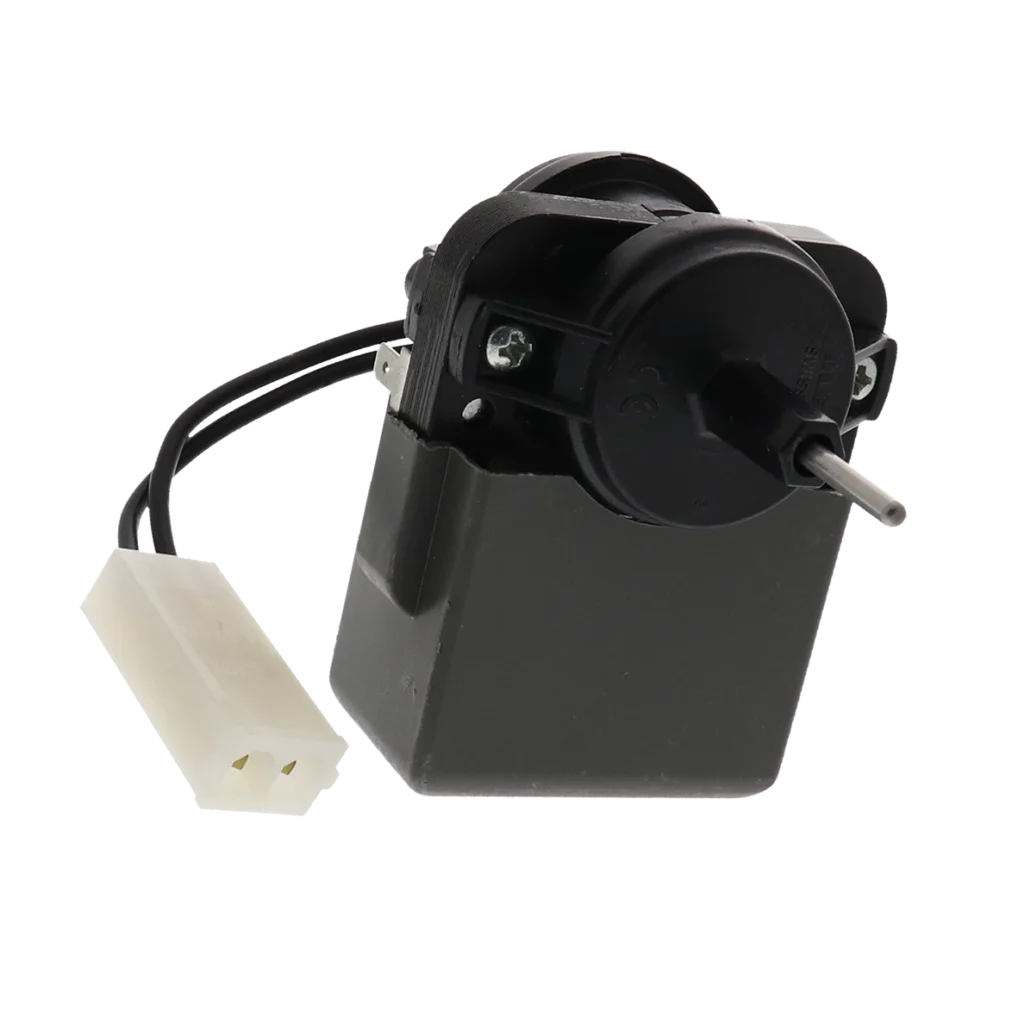
Your evaporator fan motor should last 8–12 years, but most homeowners replace them around year 5. The difference? Three preventive habits that take less than 10 minutes per year. This motor moves cold air through your entire fridge—when it starts failing, you'll notice warm spots in the fridge even while the freezer stays cold.
How Long Should It Last?
The 2315549 evaporator fan motor typically lasts 8–12 years under normal conditions. But "normal" means something specific: clean coils, proper door seals, and minimal frost buildup. In homes with high humidity, heavy use, or neglected maintenance, you're looking at 4–6 years instead.
What kills these motors early? Ice buildup is the biggest culprit. When frost accumulates around the fan blades, the motor works harder. It's like running with weights strapped to your ankles—everything wears out faster. The bearings take extra stress, the motor runs hotter, and eventually something gives.
Temperature also matters. If your fridge is in a garage where temps swing from 40°F to 90°F seasonally, the motor's working overtime to compensate. Same goes if you're constantly opening the door or loading in warm groceries without letting them cool first.
Signs It's Wearing Out
Your fridge will tell you when the evaporator fan motor is struggling. These aren't subtle hints—they're pretty obvious once you know what to listen for.
Fridge Too Warm While Freezer Works Fine
This is the classic sign. Your freezer's sitting at 0°F like it should, but the fridge section is hovering around 45°F instead of 37°F. That's your evaporator fan failing to circulate cold air from the freezer into the fridge compartment. You might notice milk spoiling faster or vegetables getting soft.
Open the freezer and listen. You should hear a quiet fan running most of the time. If it's silent, or you only hear the compressor humming, the fan motor's likely dead or dying.
Unusual Noises From the Freezer
Grinding, squealing, or clicking sounds coming from behind the freezer wall mean the motor bearings are shot. A healthy evaporator fan makes almost no noise—maybe a soft whoosh of air movement. When you start hearing mechanical sounds, the motor's telling you it's done.
Sometimes you'll hear intermittent clicking as the motor tries to start but can't. That's the thermal overload protector kicking in because the motor's overheating. It'll click, try to run, overheat again, click off. Repeat.
Fridge and Freezer Are Both Too Warm
When both compartments run warm simultaneously, you've got a more serious circulation problem. Either the fan motor's completely failed, or ice has built up so thick around it that no air can move at all. This usually happens after a power outage or if the defrost system's also having issues.
Check for frost buildup in the freezer. If you see a thick sheet of ice covering the back wall or around the fan area, that's blocking airflow even if the motor's technically still running.
Maintenance That Actually Extends Life
Here's what actually works, based on motors that make it past the 10-year mark:
Keep coils clean. Dirty condenser coils make your compressor run longer, which means the evaporator fan runs longer too. Vacuum them every 6 months. They're either behind the kickplate at the bottom or on the back of the fridge. Takes 5 minutes.
Monitor frost buildup. Once a month, check the freezer's back wall. You should see fins or a panel, maybe a light dusting of frost. If you're seeing thick ice, your defrost system needs attention before it kills the fan motor.
Check door seals. Warm air leaking in creates moisture, which creates frost, which overworks the fan. Close the door on a dollar bill—if you can pull it out easily, the seal's weak. Replace it before the fan pays the price.
Listen regularly. Once a week, just open the freezer and listen for 10 seconds. That quiet fan sound should be consistent. If it's getting louder, grinding, or stopping and starting, you've caught a problem early.
When to Replace vs Maintain
Here's the honest breakdown: if your evaporator fan motor is making noise or causing temperature issues, maintenance won't fix it. These motors don't gradually decline—they work until they don't.
Replace immediately if you hear grinding, squealing, or clicking. Replace if one compartment is significantly warmer than the other and you've confirmed the fan isn't running. Replace if the fan runs but makes any mechanical noise beyond a soft whoosh.
Keep maintaining if the motor's quiet and temperatures are stable. The preventive steps above will help it reach that 10–12 year mark instead of dying at 5.
One exception: if you've got thick ice buildup but the motor sounds fine, try a manual defrost first. Unplug the fridge, remove all food, and let it thaw completely for 24 hours. If the motor runs quietly afterward, you caught it in time. If it's still noisy or struggling, order the replacement.
The 2315549 fits dozens of Whirlpool, Kenmore, and KitchenAid models—including the ED2DHEXWB00, WRS571CIDM01, and KSC24C8EYY02. Check your model number on the sticker inside the fridge before ordering.
Frequently Asked Questions
How often should I manually defrost my fridge to help the fan motor?
You shouldn't need to if your automatic defrost system works properly. But if you notice frost building up faster than it melts, manually defrost once every 6–12 months. That prevents ice from loading down the fan motor. If you're defrosting more often than that, fix the defrost system—something's wrong with the timer, heater, or thermostat.
Can I just unplug and replug the fridge to reset a failing motor?
You can try it, but it rarely works beyond a few hours. If the motor's thermal overload keeps tripping, unplugging resets it temporarily—but the underlying problem (worn bearings, seized shaft, electrical fault) is still there. It'll fail again within a day or two. If you need to keep resetting it, just replace the motor.
Will a failing evaporator fan motor damage other fridge components?
Yes, indirectly. When the fan doesn't circulate air properly, your compressor runs longer trying to maintain temperature. That shortens compressor life and increases your electric bill. Warmer temps also stress the defrost system and can lead to food spoilage. A $137 fan motor is way cheaper than a $600 compressor or a fridge full of spoiled groceries.
Element showing wear?
2315549 · Replace before it fully fails