
Samsung Dishwasher Not Drying Dishes — 5 Causes & How to Fix
You open your Samsung dishwasher expecting sparkling clean, dry dishes. Instead, you're greeted by pools of water on plates, soaked bowls, and dripping glassware. Every load ends the same way — technically clean, but frustratingly wet.
This isn't just annoying. It's leaving water spots on your glassware, forcing you to hand-dry everything, and wasting the time you thought you'd save by using a dishwasher in the first place.
The good news? Most Samsung dishwasher drying problems trace back to five specific causes, and three of them you can fix yourself in under 30 minutes. Let's diagnose what's actually happening inside your machine.
Quick Symptom Check
Before you start pulling parts, confirm what you're dealing with:
- Dishes are completely soaked — water pooled in cups, bowls holding puddles
- No heat at end of cycle — door isn't warm to touch when cycle completes
- Slight dampness but not wet — dishes feel humid but not dripping
- Some items dry, others don't — plastics wet, glass and ceramic dry
- Steam doesn't vent during dry cycle — no moisture escaping from door vent
If dishes are completely soaked with zero drying happening, you're likely dealing with a failed heating element. If they're just slightly damp, it might be a settings issue or rinse aid problem.
Cause #1: Failed Heating Element (Most Likely)
Probability: 65%
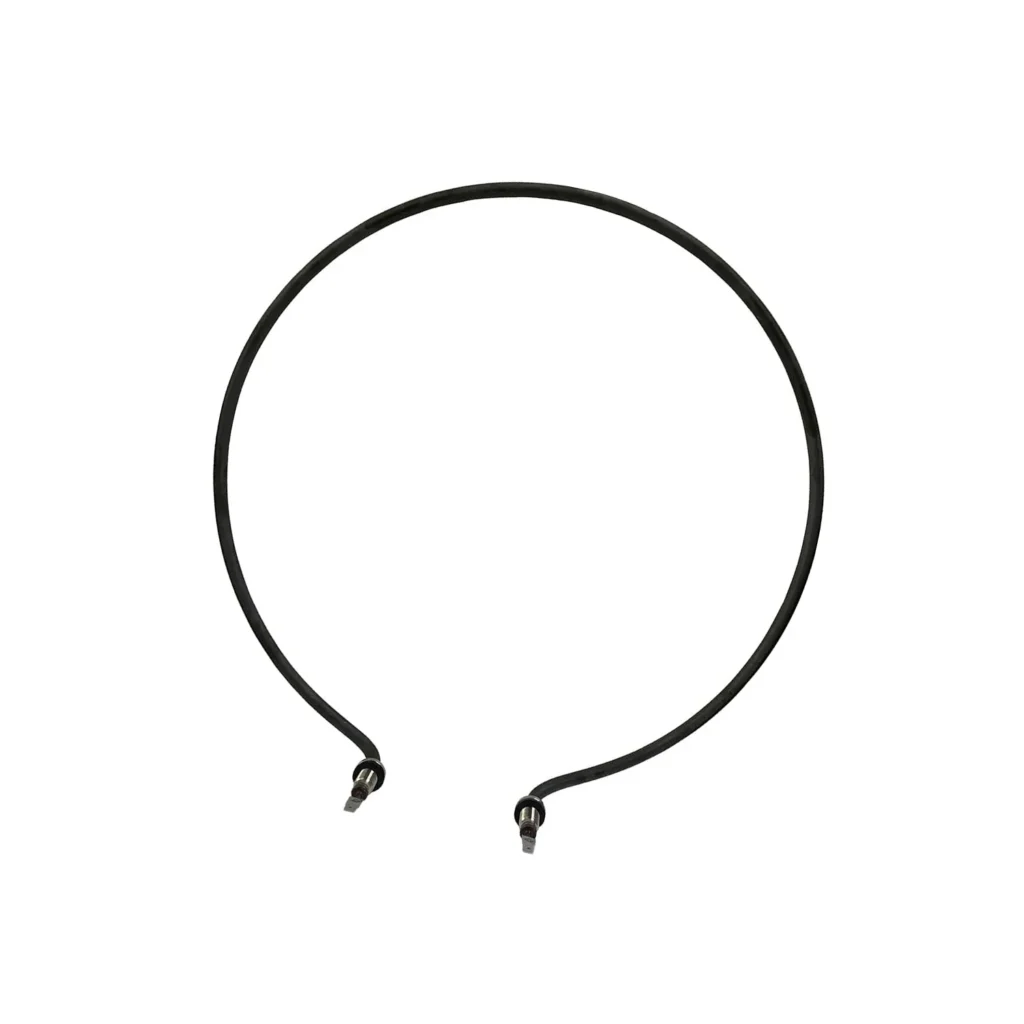
The heating element is the U-shaped metal component at the bottom of your dishwasher tub. It heats water during wash cycles and generates the heat needed for drying. When it burns out, dishes stay wet no matter how long the cycle runs.
This is especially common in Samsung models DW80M2020US, DW80N3030UB, DW80N3030US, and DW80R2031 series — all of which use the DD81-02148A heating element.
How to diagnose:
- Wait 30 minutes after a cycle completes
- Open the door and carefully touch the heating element at the bottom (it should be cool by now)
- If it never got hot during the dry cycle, it's likely failed
- For confirmation, use a multimeter set to ohms — disconnect power first, then test continuity across the element terminals (should read 15-30 ohms)
The fix: Replace the heating element. The DD81-02148A runs about $122.99 and takes 20-30 minutes to swap out. You'll need to remove the lower dish rack, disconnect the wire harness, unscrew two mounting nuts, and lift out the old element. New one drops right in.
Cause #2: Empty or Clogged Rinse Aid Dispenser
Probability: 20%
Here's what most people don't realize: rinse aid isn't optional for proper drying. It reduces water surface tension, causing water to sheet off dishes instead of forming droplets that just sit there.
Samsung dishwashers rely heavily on rinse aid because they use condensation drying (not a fan-based system). Without rinse aid, water clings to everything — especially plastic items.
How to diagnose:
- Check the rinse aid indicator light on your control panel
- Open the rinse aid dispenser (usually next to the detergent cup) and verify it's full
- Look for crusty buildup that might block the dispenser from releasing
The fix: Fill the rinse aid dispenser completely. Set the dispenser to level 4 or 5 (higher releases more rinse aid). If it's been empty for months, run two cycles with rinse aid before judging results — dishes may have residue buildup that takes a cycle or two to clear.
Cause #3: Faulty High-Limit Thermostat
Probability: 10%
The high-limit thermostat is a safety device that cuts power to the heating element if temperatures get dangerously high. Sometimes it fails in the "open" position, permanently cutting power even when temperatures are normal.
This creates the same symptom as a bad heating element — no heat, no drying — but the element itself tests fine with a multimeter.
How to diagnose:
- Test the heating element for continuity (as described above)
- If the element tests good but still doesn't heat, suspect the thermostat
- The thermostat is a small disc attached to the element or nearby — test it with a multimeter (should show continuity when cool)
The fix: Replace the high-limit thermostat. It's often sold as part of the heating element assembly (like with the DD81-02148A), so if you're replacing the element anyway, you're also getting a new thermostat.
Cause #4: Vent Fan or Vent Assembly Failure
Probability: 3%
Some Samsung dishwasher models use a small fan or passive vent to release steam during the dry cycle. If this vent gets clogged with food debris or the fan motor fails, moisture has nowhere to go.
How to diagnose:
- Run a dry cycle and listen for a small fan motor running (not all models have this)
- Check the vent opening at the top of the door for obstructions
- Feel for warm, moist air escaping during the dry cycle
The fix: Clean any debris from the vent area. If the fan motor has failed, it needs replacement — this is a less common repair that might warrant calling a pro.
Cause #5: Using the Wrong Wash Cycle
Probability: 2%
Not every cycle includes a heated dry phase. "Quick Wash," "Eco," and "Delicate" cycles on Samsung dishwashers often skip or minimize the dry cycle to save energy.
How to diagnose:
- Check what cycle you're using
- Look in your manual for which cycles include heated dry
- Try running "Normal" or "Heavy" with the "Heated Dry" option explicitly selected
The fix: Switch to a cycle with heated dry enabled. On most Samsung models, you'll need to press the "Dry+" or "Sanitize" button to ensure maximum drying performance.
When to Call a Pro
Most heating element replacements are straightforward DIY jobs. But call a technician if:
- You've replaced the element and dishes still won't dry
- The control board is showing error codes you can't clear
- You're uncomfortable working with electrical connections
- Your dishwasher is still under warranty
A professional diagnosis runs $75-150, and labor for element replacement adds another $100-200 on top of the part cost.
Frequently Asked Questions
Why do plastic items stay wet even when everything else dries?
Plastic doesn't retain heat like glass or ceramic, so it cools faster during the dry cycle. Water doesn't evaporate off cool surfaces. This is normal — even with a perfectly functioning heating element, plastic items will be slightly damp. Rinse aid helps significantly, and placing plastic items on the top rack improves results.
How long should a Samsung dishwasher heating element last?
Typical lifespan is 5-8 years with regular use. Hard water shortens this because mineral deposits accumulate on the element, creating hot spots that eventually burn through the metal. If you're replacing an element in a dishwasher less than 3 years old, check your water hardness — you might need a whole-house softener.
Can I run my Samsung dishwasher if the heating element is broken?
Yes, but you'll get wet dishes and lower cleaning performance. The heating element also helps sanitize dishes during the wash cycle, so you're losing that benefit too. It's safe to operate, but you'll need to hand-dry everything and might want to add an extra rinse step. The element won't suddenly "get worse" if you keep using the dishwasher while waiting for the replacement part.
Diagnosed the problem?
DD81-02148A · In Stock · Fast shipping