
Samsung Dishwasher Leaking from Bottom — 3 Seal Failures & How to Fix
You run a normal cycle, everything sounds fine, then you walk into the kitchen and find a puddle spreading across the floor. Your Samsung dishwasher is leaking from somewhere underneath, and it's not always obvious where the water's coming from until you get down there with a flashlight.
Here's what one repair tech learned the hard way: "The only way to find slow leaks on these models is to hoist it onto 4x4's in the middle of your kitchen and reconnect water and electric. Run a normal wash cycle and watch for leaks with a flashlight." Not exactly convenient, but that's sometimes what it takes to catch the culprit in action.
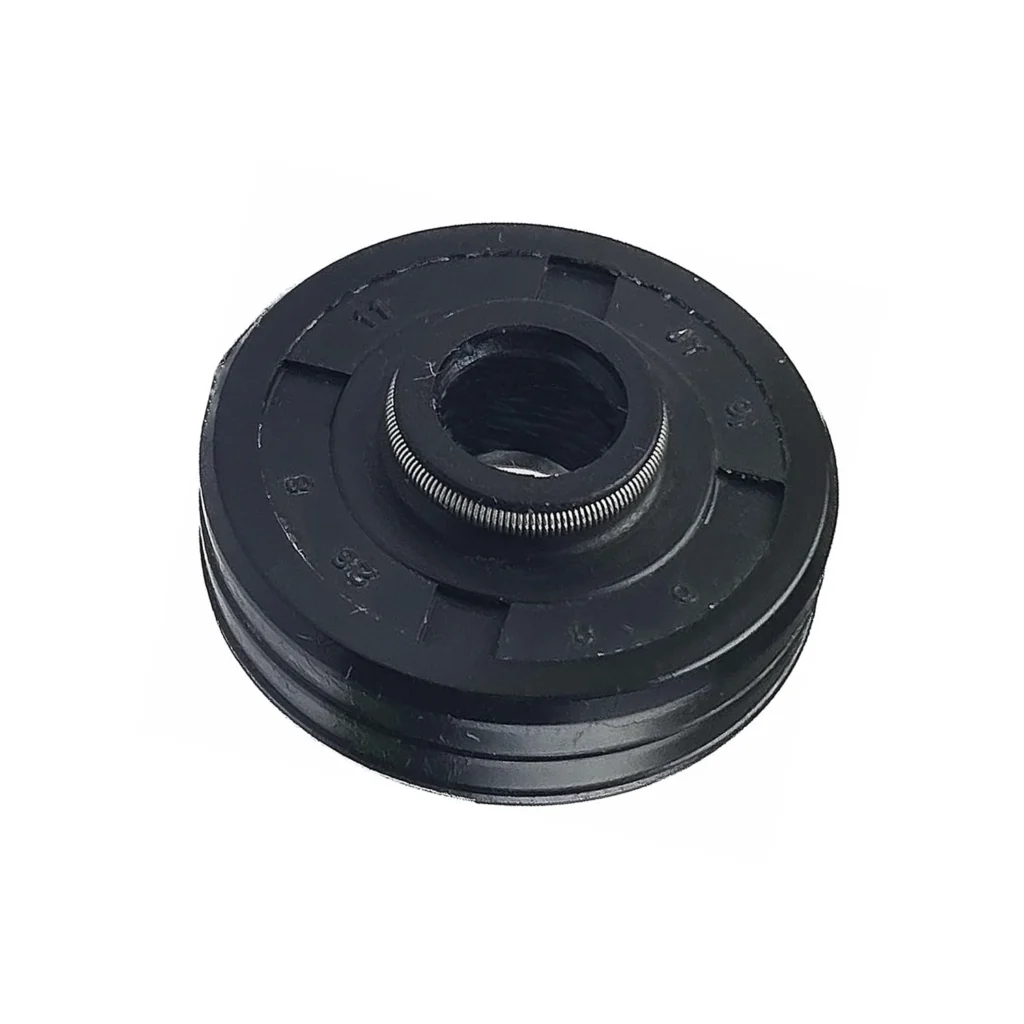
The DD62-00053A motor pump oil shaft seal is the most common failure point on models like the DW80F600UTB/AA, DW80H9930US/AA, and DMT800RHS/XAA. When this seal goes bad, you'll see water during or right after the drain cycle. But there are two other seal locations that fail almost as often, and we'll walk through all three.
Quick Symptom Check
- Water pooling under dishwasher after cycle completes
- Leak intensifies during drain cycle — pump running makes it worse
- Moisture sensor error code appears on display (sensor corrodes when wet)
- Water dripping from front edge when you open door mid-cycle
- Slow leak that only shows up after several cycles
Cause #1: Failed Shaft Seal on Pump Motor (Most Common)
This is your DD62-00053A part — the oil shaft seal that sits where the motor shaft enters the pump housing. When it fails, water leaks directly from the pump assembly during drain.
One DIYer found the exact cause: "A small piece of plastic made it's way into the system. The hot water softened it enough that it wrapped around the motor shaft, re-hardened, then tore into the shaft seal." That sharp edge tears through the rubber seal, and once it's compromised, every drain cycle pushes water past it.
How to diagnose: Pull the dishwasher out and run a cycle while watching underneath with a flashlight. If water appears specifically when the drain pump runs (that loud whirring sound), and it's coming from the center pump area, it's the shaft seal.
Probability: 60% of bottom leaks on Samsung dishwashers
DIY fix difficulty: Easy to moderate. You'll need to remove the pump assembly, pull the old seal (use a small metal hooked awl — don't scratch the plastic cavity), and press the new DD62-00053A seal in place. A socket that matches the seal diameter works perfectly for pressing it in by hand without damaging the rubber.
Average cost: $39.99 for the seal, 1-2 hours labor
Pro tip from the field: "Be careful with power screwdrivers; accidentally poking a hole in the filter can occur" during disassembly. Take your time removing the sump cover screws.
Cause #2: Damaged Seal Under Chopping Blade
There's another seal that sits under the chopping blade assembly (the grinder that breaks down food particles). It's exposed to the same debris that damages the shaft seal, and it often goes bad at the same time.
As one repair noted: "I replaced three other seals while I had it apart. The one under the chopping blade was also damaged." If you're already in there replacing the shaft seal, check this one too — it's literally right there.
How to diagnose: If the leak seems to come from the center of the sump area but doesn't correlate exactly with drain pump operation, this seal might be leaking during the wash cycle itself.
Probability: 25% of cases (often fails alongside shaft seal)
DIY fix: Remove the chopping blade cover (usually 3-4 screws), lift out the blade assembly, and replace the rubber seal underneath. Use that small hooked awl to pull the seal into position — "so as not to damage the plastic cavity."
Cost: Usually under $15 for this seal
Cause #3: Drain Check Valve Failure
The drain check valve (sometimes called the "Vane-Check" valve) prevents water from flowing backward into the tub. When it fails, you might not see an obvious leak, but water can seep past during certain cycle phases.
Here's what happens over time: "It appeared to be swollen and stretched. When the new valve arrived it was not swollen and fit perfectly. I assume heat swells it up over time." That swelling prevents proper sealing, and water finds its way out.
How to diagnose: Remove the cover under the bottom spray arm. The check valve should move freely and snap back into place. If it's stuck, swollen, or distorted, it needs replacement.
Probability: 15% of leak cases
DIY fix: Easy access, quick replacement. Just unscrew the sump cover, pull the old valve, snap in the new one. Make sure it's oriented correctly (the flap should block backflow from the drain).
The Hidden Leak You Can't See
There's one more possibility that stumps a lot of people: "The ribbed drain hose running from the pump to the plastic manifold on the side. You can't see the holes that develop in the hose unless you remove and stretch it."
If your leak intensifies during drain specifically, and you've ruled out the shaft seal, pull that ribbed drain hose and inspect it under tension. Tiny cracks develop in the accordion folds that only open up when water's pumping through under pressure.
When to Call a Pro
If you've replaced the shaft seal, checked the chopping blade seal, replaced the check valve, and you're still seeing water — or if the moisture sensor keeps tripping even after drying it out — there might be a crack in the sump housing itself. That's a much bigger job, often requiring a full pump assembly replacement ($150-300 in parts alone).
Also, if you're not comfortable hoisting the dishwasher onto blocks and running it with exposed electrical connections, call someone. Water and electricity don't mix, and a $150 service call beats a trip to the ER.
Frequently Asked Questions
Will the dishwasher still run if the shaft seal is leaking?
Yes, it'll run normally. The seal failure doesn't affect pump operation — it just lets water escape where it shouldn't. You might see a moisture sensor error code eventually as water reaches the sensor, but the dishwasher will complete cycles until that happens.
Can I use silicone sealant instead of replacing the seal?
Don't. Silicone might slow the leak temporarily, but it won't hold up to the constant pressure and movement of the motor shaft. You'll end up doing the repair twice, and silicone residue makes the real fix harder. The DD62-00053A seal is $39.99 — just do it right the first time.
How do I know if my moisture sensor is damaged from the leak?
The sensor sits in the base pan and corrodes when it gets wet. If you're getting error codes even after fixing the leak and drying everything out, replace the moisture sensor. It's usually under $30 and easy to access once you have the dishwasher pulled out anyway.
Diagnosed the problem?
DD62-00053A · In Stock · Fast shipping