
Samsung Washer Making Loud Rattling Noise During Spin — 3 Causes & How to Fix
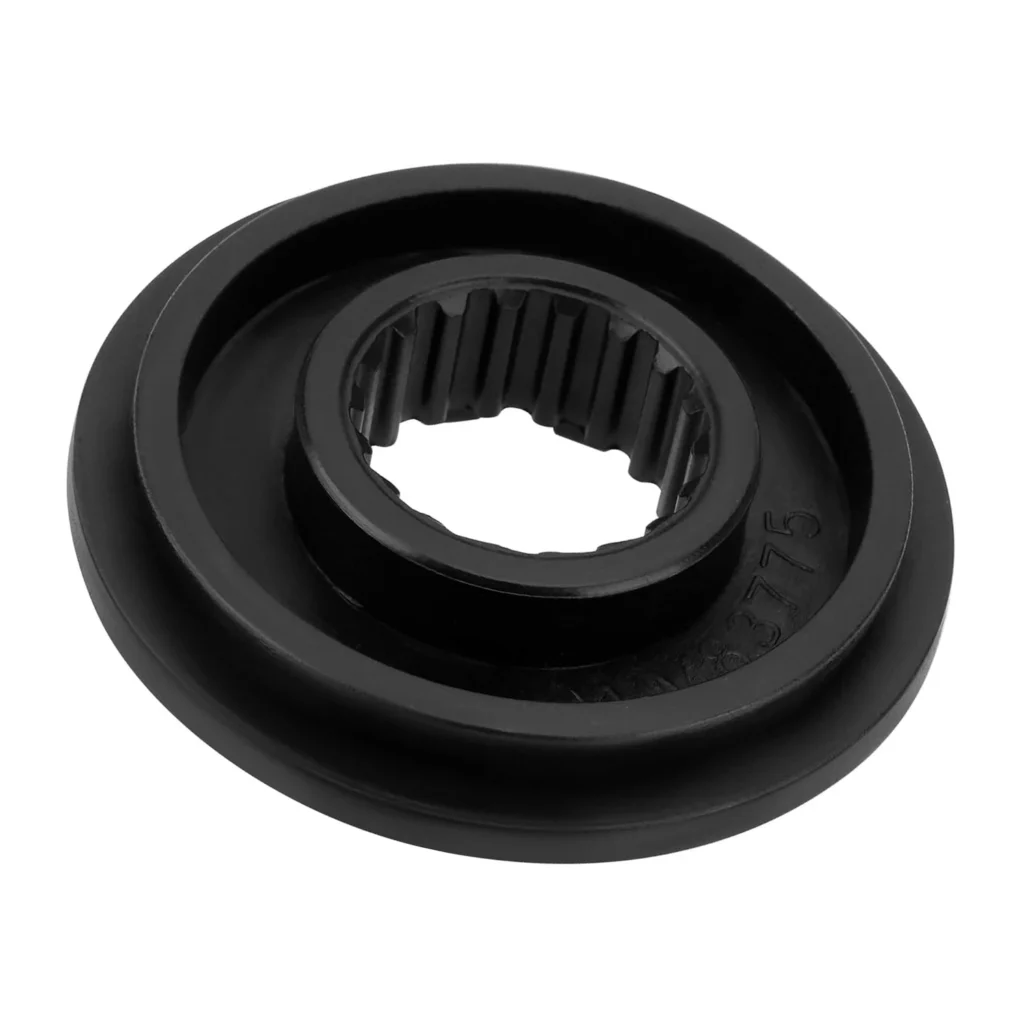
You're standing in your laundry room, and it sounds like someone threw a bag of marbles into your Samsung washer. The rattling starts during the spin cycle, gets progressively louder, and now you're wondering if the machine's about to launch itself across the floor. If your WA456DRHDWR or WA45H7000AW is making noises that would wake the neighbors, you're likely dealing with a worn clutch assembly — and you're not alone.
That rattling isn't just annoying. It's your washer telling you the clutch gear coupling that connects the motor to the drum is failing. Left unchecked, this'll progress to weak spinning or complete failure to agitate.
Quick Symptom Check
Before you start taking things apart, confirm what you're hearing:
- Loud rattling or grinding during spin cycle that wasn't there before
- Weak spinning — clothes come out soaking wet even after full cycle
- Poor agitation — the agitator barely moves or moves inconsistently
- Normal wash sounds at first, then sudden loud clattering as spin starts
- Vibration that feels excessive, even with a balanced load
If you're checking off multiple items here, keep reading. We'll walk through the three most likely causes, starting with the most common.
Cause #1: Worn Clutch Assembly (Most Likely — 75% of Cases)
Probability: Very High
The clutch gear coupling assembly (part DC97-16984A) is the mechanical link between your motor and the drum. Over hundreds of cycles, the internal clutch pads wear down and the gear teeth strip. When this happens, metal grinds on metal — hence the rattling.
How to diagnose:
- Unplug the washer and turn off water supply
- Pull the washer away from the wall for access
- Remove the rear access panel (usually 4–6 screws)
- Locate the clutch assembly — it's the round component between the motor and the transmission shaft
- Check for metal shavings, visible wear on gear teeth, or a burnt smell
- Try rotating the drum by hand — if you feel grinding or inconsistent resistance, the clutch is done
The fix: Replace the entire clutch assembly. This isn't a rebuild situation — Samsung designs these as sealed units. You'll need DC97-16984A (fits WA400PJHDWR, WA422PRHDWR, WA456DRHDSU, WA45H7200AW, WA45K7100AW, WA45K7600AW, WA45M7050AW, WA45N7150AW, and dozens of other models).
Cost: $231.99 for the part, 1–2 hours labor if you're doing it yourself. Expect $350–450 if you hire someone.
Cause #2: Loose or Damaged Drive Motor Mount
Probability: Moderate
Sometimes the rattling isn't the clutch itself — it's the motor shaking because the mounting bolts have loosened. The motor vibrates excessively during high-speed spin, which creates that rattling sound and accelerates clutch wear.
How to diagnose:
- With the rear panel still off, inspect the motor mounting bolts
- Check for any cracks in the rubber motor mounts
- Watch the motor during a spin cycle (washer unplugged, then plugged back in carefully) — does it wobble?
- Feel for play when you try to move the motor by hand
The fix: Tighten mounting bolts to spec (check your service manual — usually 10–12 ft-lbs). If the rubber mounts are cracked or compressed, replace them. This is a $20–40 fix that might save you from replacing the clutch prematurely.
Cause #3: Worn Transmission or Drum Bearings
Probability: Lower (But Serious)
If the clutch looks fine but you're still getting that rattling, the transmission itself or the drum bearings might be failing. This is the expensive scenario — transmission problems often mean it's time to evaluate whether repair makes sense.
How to diagnose:
- Spin the drum by hand with the machine off
- Listen for grinding or feel for rough spots in the rotation
- Check for up-and-down play in the drum — should be minimal
- Look underneath for oil leaks (transmission seal failure)
The fix: Transmission replacement runs $300–500 in parts plus 3–4 hours labor. Drum bearing replacement is similarly expensive. At this point, compare repair costs to replacement washer costs — if your machine's over 7 years old, replacement might make more sense financially.
When to Call a Pro
Be honest about your skill level here. Replacing the clutch assembly requires lifting the washer cabinet, disconnecting the motor, and dealing with some tight spaces. If you've never worked on a washer before, this isn't the best first project.
Call a tech if:
- You're not comfortable working with the rear access open while testing
- You can't identify which component is actually making the noise
- The diagnosis points to transmission issues
- Your washer is still under warranty (don't void it by DIY)
That said, if you've got basic tools and mechanical inclination, clutch replacement is doable. Just take photos as you disassemble, label every wire, and work methodically.
Frequently Asked Questions
How long does a Samsung washer clutch assembly typically last?
Most clutch assemblies last 7–10 years with regular use. If you're washing oversized loads frequently or the machine's been overloaded regularly, you'll see failure sooner — sometimes as early as 5 years. The WA45 series models from 2014–2016 seem particularly prone to premature clutch wear based on failure patterns.
Can I keep using my washer if it's making rattling noises?
Short answer: not for long. You might get a few more loads out of it, but continuing to run a washer with a failing clutch will damage the motor and transmission. What's a $230 repair now could become a $600+ repair or total loss within weeks. Stop using it and diagnose the problem.
Will replacing the clutch fix weak spinning issues too?
Yes — if weak spinning and rattling appeared together, the clutch is almost certainly your problem. The worn clutch can't transfer full power from the motor to the drum, which results in slow, ineffective spinning. New clutch assembly should restore full spin performance and eliminate the noise simultaneously.
Diagnosed the problem?
DC97-16984A · In Stock · Fast shipping