
Samsung Washer Loud Grinding Noise During Spin — 5 Causes & How to Fix
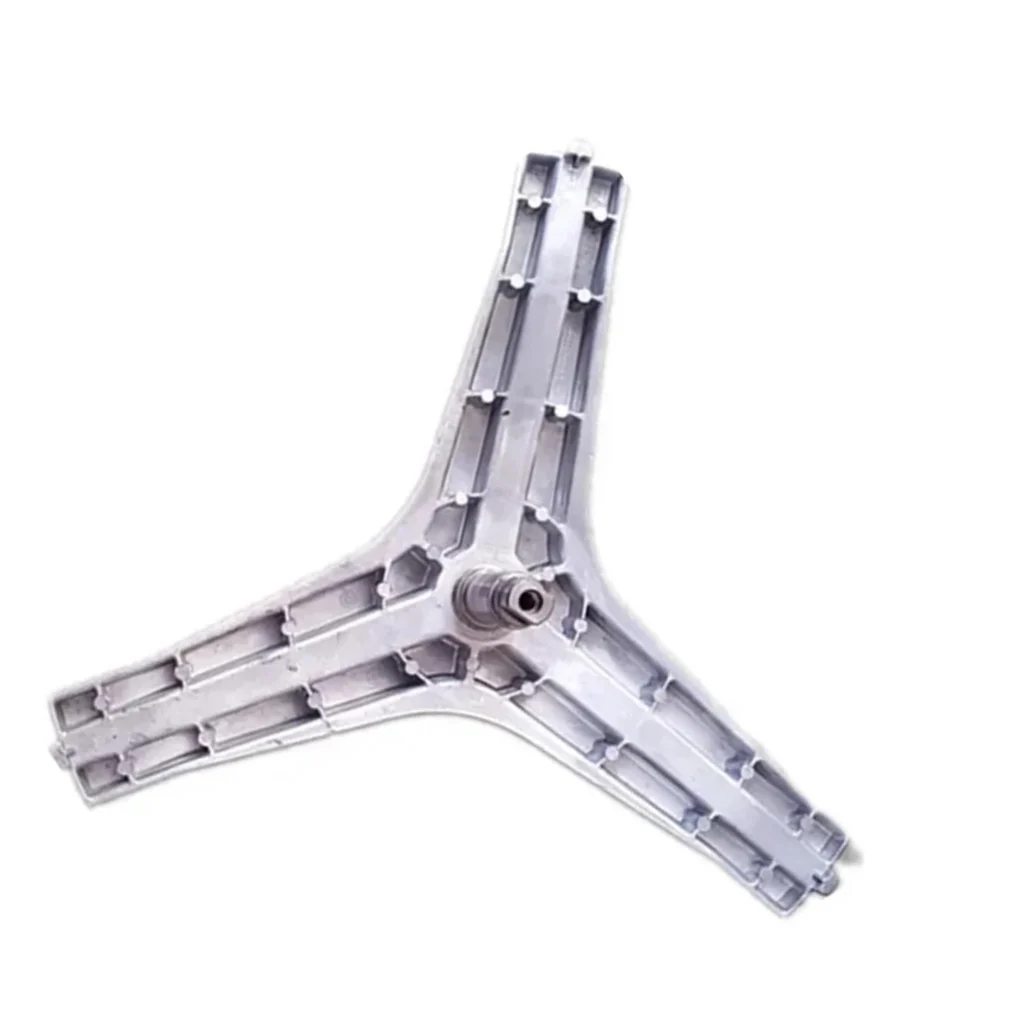
You're running a load of towels when suddenly your Samsung washer sounds like it's chewing gravel. The grinding starts during spin cycle, gets progressively louder, and you're pretty sure your neighbors three doors down can hear it. That metallic scraping isn't normal — and it's often pointing to a failing drum spider assembly.
The drum spider (part DC97-14370E) is the aluminum hub that connects your washer drum to the drive shaft. When it fails, you'll hear grinding, scraping, or a sound like marbles rattling around in the drum. This affects models from the WD0804W8N1 series all the way through newer units like the WD10T554DBN and WD80M4453IW.
Quick Symptom Check
Before tearing into your washer, verify these symptoms match what you're experiencing:
- Loud grinding or scraping during spin cycle — especially when the drum reaches high speed
- Metallic rattling sound — even when the drum is empty
- Drum wobbles excessively — you can physically see it moving side-to-side
- Black or gray residue — aluminum dust collecting around the door seal
- Drum doesn't spin smoothly by hand — resistance or catching when you rotate it manually
- Burning smell — from metal-on-metal friction
If you're checking three or more of these boxes, keep reading. The cause is usually mechanical, not electronic.
Cause #1: Failed Drum Spider Assembly (Most Likely — 65% of Cases)
What's happening: The aluminum drum spider corrodes over time, especially if you use liquid fabric softener or wash in cold water frequently. The aluminum develops deep pitting, then cracks, and eventually the mounting points where it connects to the drum disintegrate. When this happens, the drum loses its rigid connection to the drive shaft.
Diagnosis steps:
- Unplug the washer and turn off water supply
- Remove the top panel (two screws at the back)
- Pull the washer away from the wall and tip it back against the wall at about 45 degrees
- Look up through the bottom — shine a flashlight on the drum spider visible through the outer tub
- Check for white powdery corrosion, visible cracks, or pieces of aluminum breaking away
Confirming the diagnosis: Grab the drum and try to rock it side-to-side and front-to-back. If there's more than about 1/4 inch of play, or if you hear clicking and grinding as you move it, the spider is compromised. You might also see aluminum dust or shavings on the floor beneath the washer.
The fix: The drum spider assembly (DC97-14370E) must be replaced. This isn't a repair job — you need the complete shaft assembly. This is an intermediate-to-advanced repair requiring nearly complete disassembly of the washer. Budget 3-4 hours if you're handy, or expect to pay a tech $250-350 plus the $160 part cost.
Probability: 65% — This is by far the most common cause of grinding noises in Samsung front-loaders, especially in units 5+ years old.
Cause #2: Worn or Seized Drum Bearings
What's happening: Your washer has two main bearings that allow the drum to spin smoothly. When the rear bearing seal fails, water seeps in and causes rust. Rusty bearings create grinding noise and eventually seize completely.
Diagnosis steps:
- With the washer unplugged, manually spin the drum
- It should rotate smoothly with minimal resistance
- If it feels gritty, has rough spots, or doesn't coast when you spin it hard, suspect bearings
- Check for rust-colored water stains on the floor behind the washer
The connection to drum spider: Here's the catch — bearing failure and spider failure often happen together. Water that leaks past the bearing seal accelerates spider corrosion. If you're replacing the spider assembly (DC97-14370E), you should replace the bearings at the same time since you'll already have everything apart.
Probability: 50% — Often occurs alongside spider failure. Rarely happens in isolation without spider damage.
Cause #3: Foreign Object Stuck Between Tub and Drum
What's happening: A coin, underwire from a bra, or small metal object has worked its way through the door seal and into the gap between the inner drum and outer tub.
Diagnosis steps:
- Remove all laundry and shine a flashlight through the drum holes
- Manually rotate the drum slowly while listening carefully
- The grinding will be rhythmic — once per drum rotation if something's stuck
- You might see scratches on the inside of the outer tub
Quick test: Does the grinding change pitch or disappear when you change drum speed? Objects typically make consistent noise regardless of spin speed, while spider/bearing failures get louder with higher RPMs.
The fix: Fish out the object if accessible through the drum holes. If it's wedged deep, you may need to remove the front panel and door boot to access it. Sometimes objects fall into the sump below — check there too.
Probability: 15% — Less common, but easy to rule out before major disassembly.
Cause #4: Loose or Damaged Shock Absorbers
What's happening: Samsung washers use shock absorbers (like car shocks) to dampen drum movement. When these wear out or come loose, the drum can shift during spin and contact the outer tub or other components.
Diagnosis: Tip the washer back and inspect the shock absorbers attached to the bottom of the outer tub. They should be firmly connected at both ends. Push on the drum from above — it should move smoothly down and rebound slowly. If it bounces quickly or you hear clunking, suspect shock issues.
The fix: Replace worn shocks in pairs (around $40 for the set). This is actually easier than replacing the spider assembly.
Probability: 10% — Usually causes banging more than grinding, but can create metal-on-metal contact.
Cause #5: Drive Motor or Clutch Issues
What's happening: The direct-drive motor or its connection to the drum shaft is failing. This is rare in Samsung models but can create grinding sounds from the motor area rather than the drum.
Diagnosis: The grinding will come from the back/bottom of the machine, not from inside the drum area. Motor grinding usually sounds more electrical — like a power tool struggling — rather than the metallic scraping of spider failure.
Probability: 5% — Uncommon in these models, but worth mentioning for completeness.
When to Call a Pro
Be honest about your skill level here. Replacing the drum spider assembly requires:
- Removing the entire front panel, door boot, control panel, and top
- Disconnecting the outer tub from the cabinet
- Splitting the tub (may require cutting plastic welds on some models)
- Pressing the old spider off and the new one on without damaging the shaft
- Reassembling everything with new seals and properly tensioned springs
If you've never rebuilt a washer before, this isn't the place to start. A botched spider replacement can destroy the outer tub, which essentially totals the washer.
Call a pro if:
- You're not comfortable with major appliance disassembly
- You don't have 4+ hours of uninterrupted time
- Your washer is still under warranty (obviously)
- You suspect bearing failure AND spider failure (do both at once)
Consider DIY if:
- Your washer is 6+ years old (repair might cost half of replacement)
- You've done appliance repairs before
- You have the proper tools including bearing pullers and possibly a tub splitting tool
- You're comfortable following video tutorials step-by-step
Preventing Future Drum Spider Failure
If you install a new DC97-14370E assembly, extend its life with these habits:
- Ditch liquid fabric softener — use dryer sheets instead, or wool dryer balls
- Run a cleaning cycle monthly with hot water and washer cleaner
- Leave the door open between loads to prevent moisture buildup
- Don't overload the machine — respect the weight limits
- Use HE detergent only, and use less than you think you need
Samsung's aluminum drum spiders are notorious for premature failure, but proper maintenance can add years to their life.
Frequently Asked Questions
Can I just ignore the grinding noise and keep using the washer?
Short term, yes — but you're risking bigger damage. A failing drum spider will eventually cause the drum to shift so much it damages the outer tub, door seal, or even the cabinet. What's a $160 part today could become a $600+ repair or full replacement next month. Plus, that aluminum dust getting into your clothes isn't great. Fix it sooner rather than later.
Why do Samsung drum spiders fail so often compared to other brands?
They use aluminum instead of stainless steel to reduce weight and manufacturing cost. Aluminum corrodes when exposed to the minerals in water and chemicals in detergent, especially in the damp environment inside a washer. It's a known weak point in Samsung front-loaders from roughly 2008-2020. Newer models use improved alloys, but the issue persists.
Will replacing just the spider fix the grinding, or do I need bearings too?
If your bearings are still smooth and the grinding is definitely from spider corrosion, you can replace just the spider. However — and this is important — if you're already doing the work to access the spider, replace the bearings at the same time. They're cheap ($30-40), and you're 90% of the way there anyway. Doing the job twice because you skipped the bearings is frustrating and expensive.
Diagnosed the problem?
DC97-14370E · In Stock · Fast shipping