
Samsung Washer Not Filling with Water — 7 Causes & How to Fix
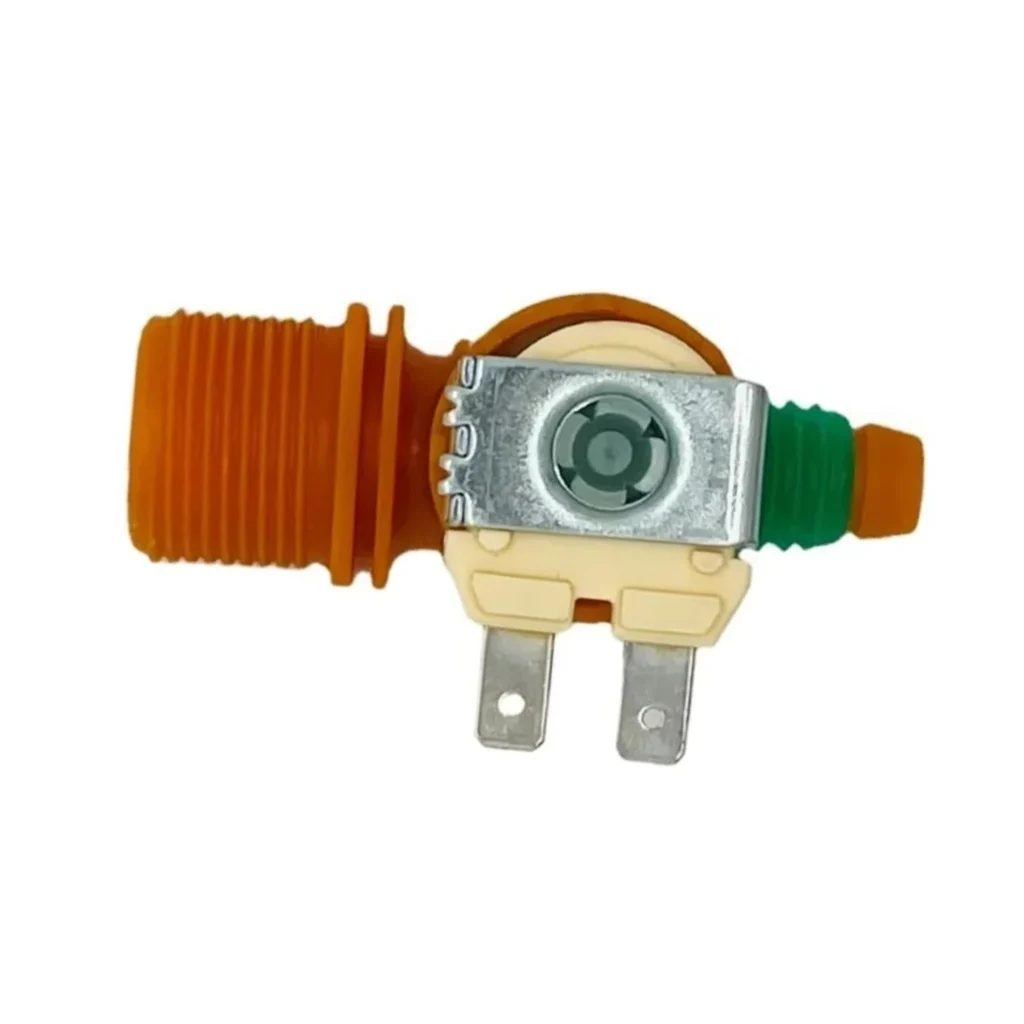
You load the laundry, add detergent, press start—and nothing. The drum sits there bone-dry while the timer counts down like everything's normal. If your Samsung washer (models WA40J3000AW, WA45N3050AW, WA41A3000AW, or similar top-loaders) refuses to fill, you're looking at one of seven likely culprits. The water inlet valve is the usual suspect, but let's check everything before you start ordering parts.
Quick Symptom Check
- No water entering at all: Valve failure or supply issue
- Slow trickle only: Clogged inlet screens or low pressure
- Fills cold but not hot (or vice versa): Single solenoid failure
- Hums but doesn't fill: Valve coil energizing but mechanism stuck
- Error code 4E or 4C: Samsung's water supply fault indicator
- Fills partially then stops: Water level sensor confusion
Cause #1: Failed Water Inlet Valve (65% Probability)
The DC62-30314N inlet valve contains two solenoids that open when energized, allowing water to flow. After 3–5 years, these solenoids fail—sometimes both at once, sometimes just one side. You'll hear a faint click when the washer tries to fill (that's the control board sending voltage), but no water flows.
Test it: Unplug the washer and locate the valve where hoses connect at the back. Disconnect the hoses and check the inlet screens—they should be clean. Use a multimeter to test each solenoid coil for 500–1500 ohms resistance. Infinite resistance means it's dead. Even if it tests okay electrically, mineral deposits can freeze the valve mechanism shut.
Fix: Replace the entire valve assembly (part DC62-30314N, also replaces DC62-30314V). You're looking at a 20-minute job once you have the part—two hose connections, two screws, and an electrical harness. Cost: $86 for the OEM-compatible valve.
Cause #2: Clogged Inlet Screens (20% Probability)
Every inlet valve has fine mesh screens where the fill hoses connect. If your water supply has sediment, rust particles, or mineral chunks, these screens catch it all—and eventually restrict flow to nothing. This is especially common if you've had recent plumbing work done.
Test it: Turn off both hot and cold supply valves. Unscrew the fill hoses from the back of the washer (have a towel ready—some water will dribble out). Look inside each inlet port with a flashlight. See that little screen? If it's brown, crusty, or packed with debris, you've found your problem.
Fix: Use needle-nose pliers to gently extract each screen. Rinse under running water or soak in white vinegar for 30 minutes if mineralized. Replace them carefully—they need to sit flat or you'll get leaks. If they're damaged, order new inlet valve with fresh screens. Cost: $0 if cleaning works, $86 if you need the whole valve.
Cause #3: Kinked or Shut Supply Hoses (8% Probability)
Sounds too simple, but I've seen it dozens of times: someone pushes the washer back against the wall and kinks both supply hoses flat. Or they accidentally turned off the supply valves during a bathroom remodel and forgot about the laundry room.
Test it: Check that both hot and cold supply valves (usually red and blue handles on the wall) are fully open—turned counterclockwise as far as they'll go. Pull the washer forward and inspect the fill hoses for kinks, especially in the last 6 inches before they connect to the machine.
Fix: Straighten kinked hoses or replace them if they've been crimped permanently. Leave 4 inches of clearance between the wall and hose connections. Cost: $0–$15 for new hoses if needed.
Cause #4: Low Water Pressure (4% Probability)
Samsung top-loaders need minimum 20 PSI water pressure to fill properly. If you're on a well system with a failing pump, or if your municipal supply has issues, the valve won't get enough pressure to open fully—or opens but fills glacially slow.
Test it: Disconnect one fill hose and hold it over a bucket. Turn the supply valve on full. You should get a strong stream that fills a gallon bucket in under 30 seconds. Weak dribble? That's your problem.
Fix: For well systems, check your pressure tank and pump. For city water, call your utility—there may be a pressure regulator issue at your meter. This isn't a washer problem. Cost: varies widely.
Cause #5: Faulty Water Level Pressure Switch (2% Probability)
This analog device tells the control board when the tub has enough water. If it's stuck in the "full" position, the board never sends voltage to the inlet valve because it thinks the tub is already filled.
Test it: Look for a round component (about 3 inches diameter) connected to a small air tube that runs down to the tub. Gently blow into the tube—you should hear distinct clicks as the switch changes state. No clicks? It's seized up.
Fix: Replace the pressure switch. These fail rarely, but when they do, they're annoying to diagnose. Cost: $25–$40 for the part.
Cause #6: Control Board Not Sending Voltage (1% Probability)
The main control board has to send 120V AC to energize the inlet valve solenoids. If the board's relay fails, the valve never gets the signal to open—even though everything else works fine.
Test it: You'll need a multimeter and some confidence around live voltage. With the washer running a fill cycle, carefully probe the wires at the inlet valve connector. You should read 120V AC when it's trying to fill. Zero volts? Board problem.
Fix: Main control board replacement. This is expensive ($150–$300) and complex enough that most people call a tech. Cost: $400+ installed.
Cause #7: Broken Wire Harness Connection
Rarely, the wire connector at the inlet valve corrodes or gets bumped loose. The valve is electrically perfect, but no power reaches it.
Test it: Unplug the washer and inspect the wire harness connector at the valve. Look for corrosion (green crusty stuff), burned pins, or a loose fit. Wiggle it—does it feel sloppy?
Fix: Clean corrosion with electrical contact cleaner and reconnect firmly. If pins are damaged, you can sometimes replace just the connector rather than the whole harness. Cost: $0–$20.
When to Call a Pro
If you've tested the inlet valve, checked the screens, verified supply pressure, and you're still not getting water—especially if error codes keep appearing—it's time to call for service. Control board diagnostics require specialized tools, and misdiagnosing can lead to buying expensive parts you don't need. Also call if you're uncomfortable working with water connections or testing live voltage.
One more thing: if your washer is under 2 years old and still under Samsung warranty, stop here and call them first. Replacing parts yourself voids coverage.
Frequently Asked Questions
How do I know if it's the hot or cold side of the valve that failed?
Run a cold-only cycle (like rinse/spin). Does it fill? Now try a hot-only cycle if your model allows, or start a normal wash that should use hot water. If one temperature works and the other doesn't, that specific solenoid in the inlet valve has failed. The DC62-30314N valve has two independent solenoids—one for hot, one for cold—and they can fail individually. However, since you're already replacing the valve, you're fixing both sides at once.
Can I clean the inlet valve instead of replacing it?
You can try if the solenoids test okay electrically but water flow is restricted. Soak the entire valve body in white vinegar overnight to dissolve mineral deposits, then flush with water. I've seen this work maybe 1 in 10 times. The rubber diaphragms inside deteriorate with age and vinegar won't fix that. Given that a new valve costs $86 and takes 20 minutes to install, most people just replace it rather than gambling on a cleaning job that might fail mid-cycle two weeks later.
Why does my Samsung washer fill sometimes but not others?
Intermittent filling screams "failing inlet valve with corroded solenoid coils." The coils develop high-resistance spots that work when they're cool but fail when they heat up during operation. You might get through a morning load, but by the afternoon load, it won't fill. Temperature cycling causes the copper windings to expand and contract, breaking internal connections. This will get progressively worse until it fails completely. Replace the valve now before you're stuck mid-laundry day.
Diagnosed the problem?
DC62-30314N · In Stock · Fast shipping