
Samsung Gas Dryer Won't Heat — 5 Causes & How to Fix DC47-00022A
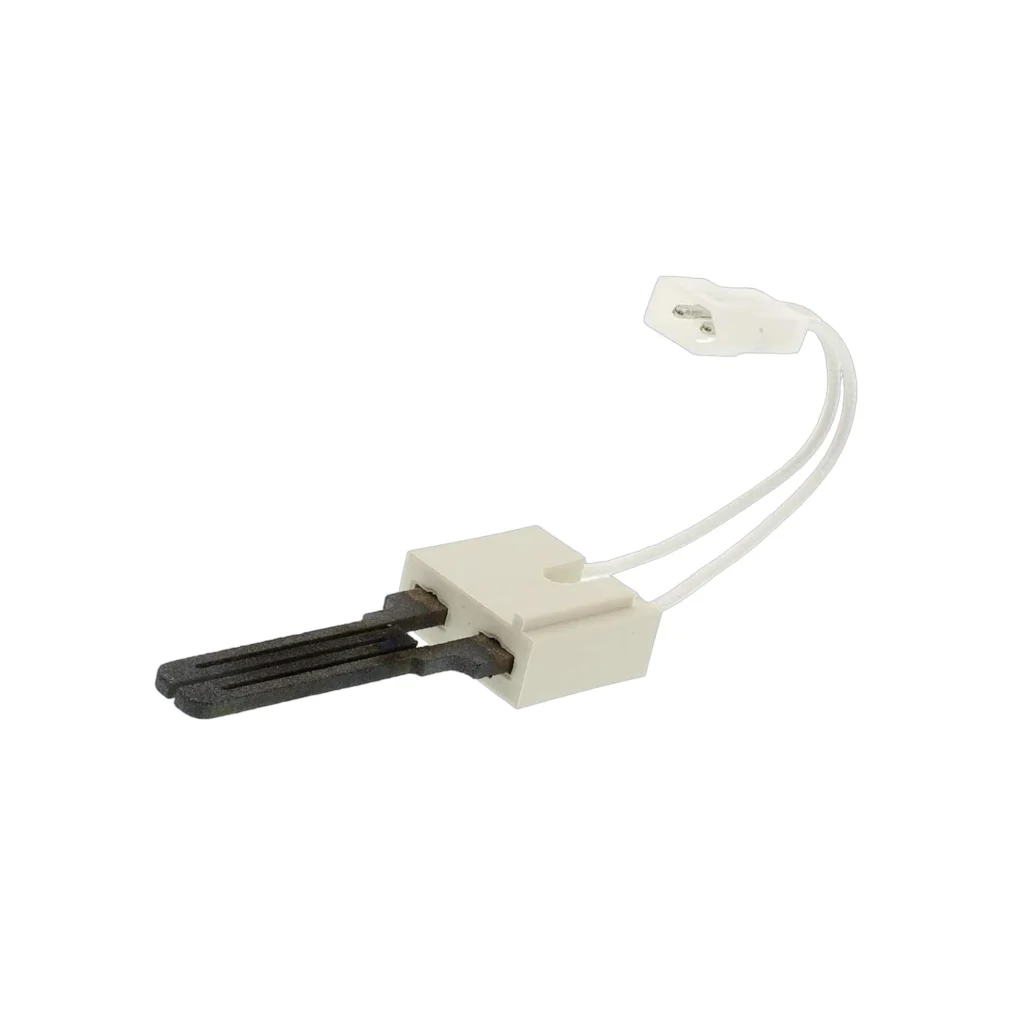
You toss a load of wet towels into your Samsung dryer, hit start, and come back 60 minutes later to find everything still damp. The drum's spinning fine, you can hear the blower running, but there's zero heat coming out of that vent. If you've got a Samsung or Kenmore gas dryer that's acting like a glorified tumbler, you're likely dealing with an ignition system failure — and the DC47-00022A igniter is the usual suspect.
Gas dryers need three things to produce heat: gas flow, proper airflow, and a working ignition system. When your dryer runs but won't heat, it's almost always an electrical or ignition issue, not the gas supply itself. The good news? Most of these fixes are DIY-friendly if you're comfortable working with basic tools and unplugging appliances.
Quick Symptom Check
Before you start pulling panels, verify you're dealing with a no-heat issue:
- Dryer runs normally — drum spins, timer advances, but clothes stay wet
- No heat whatsoever — not even lukewarm air coming from the vent
- Gas smell absent — you don't smell gas around the dryer (if you do, shut off the gas valve immediately and call a pro)
- Vent is clear — you've checked the external vent and it's not clogged with lint
- Breaker hasn't tripped — the dryer's getting power (gas dryers still need 120V for controls and ignition)
If all these check out, you're looking at an internal component failure. Let's work through the most likely causes, starting with the most common.
Cause #1: Failed Igniter (70% Probability)
The DC47-00022A igniter is the most common failure point in Samsung and Kenmore gas dryers — and for good reason. This ceramic heating element reaches over 2500°F every single cycle to light the gas. After 8-12 years (or sometimes just 5 in heavily used dryers), the element weakens and can no longer draw enough current to open the gas valve.
How to diagnose it:
Unplug the dryer and shut off the gas supply. Remove the lower front panel (usually two screws at the bottom, then lift up and pull toward you). Look inside the burner assembly on the left side — you'll see a glowing orange or white element when the dryer's trying to heat. If it glows bright orange for 30-90 seconds but never ignites the gas, the igniter's weak. If it doesn't glow at all, it's completely dead.
You can test it with a multimeter set to ohms. A good igniter reads 50-400 ohms. Anything outside that range (or infinite resistance) means it's toast. The DC47-00022A igniter is a direct replacement for AP4211272 and PS4205220, and it fits dozens of Samsung models including the DV42H5000GW/A3, DV52J8060GW/A2, and the newer DVG50R5200W/A3.
The fix: Replacement takes about 20 minutes. Disconnect the wire harness, remove two mounting screws, pull out the old igniter (they're fragile — handle by the ceramic base only), and install the new one. Don't overtighten the screws or you'll crack the ceramic.
Cause #2: Bad Flame Sensor (15% Probability)
Right next to the igniter sits a small metal probe called the flame sensor. Its job is to detect heat from the gas flame and tell the control board "yes, we have ignition, keep the gas valve open." When this sensor fails or gets coated with carbon buildup, it shuts off the gas valve prematurely — or prevents ignition altogether.
How to diagnose it:
With the lower panel off, look for a thin metal rod positioned near the burner tube. If it's covered in black soot or white crusty deposits, that's your problem. Even if it looks clean, test it with a multimeter — you're checking for continuity. A working flame sensor should show continuity at room temperature.
Sometimes you'll see the igniter glow, hear a "whoosh" as gas ignites, then watch the flame die after 2-3 seconds. That's classic flame sensor failure.
The fix: You can try cleaning it first with fine-grit sandpaper (400-grit works well). If cleaning doesn't help, replace it. The sensor usually costs $20-40 and takes 10 minutes to swap.
Cause #3: Defective Gas Valve Coils (10% Probability)
The gas valve has two electromagnetic coils that open when the igniter draws enough current. When one or both coils fail, the valve stays closed even though the igniter's working perfectly. You'll see the igniter glowing bright orange, but never hear that characteristic "click" and "whoosh" of gas flowing.
How to diagnose it:
This one's tricky without experience. You need to verify the igniter's working (glowing bright), then listen carefully at the gas valve. If you hear no click and no gas flow, test the coils with a multimeter. Each coil should read around 1000-2000 ohms. If either coil is open (infinite resistance), replace the valve assembly.
The fix: Gas valve replacement requires disconnecting the gas line — if you're not comfortable working with gas fittings, call a tech. For DIYers, it's a 30-minute job: shut off gas, disconnect the line, unplug the wire harness, remove two mounting screws, and reverse the process with the new valve.
Cause #4: Blown Thermal Fuse (3% Probability)
Every Samsung gas dryer has a one-time thermal fuse on the blower housing. If your dryer overheats (usually from a clogged vent), this fuse blows to prevent a fire. Once it's blown, the dryer either won't start at all or won't heat — depending on the model and how the fuse is wired.
How to diagnose it:
The thermal fuse is usually located on the blower housing (you'll need to remove the front panel to access it). It's a small white or silver component with two wires. Test it for continuity with a multimeter — it should read zero ohms. If it reads infinite, it's blown.
The fix: Replacing the fuse is easy (literally two wire terminals and one mounting screw), but here's the critical part: you must find and fix what caused it to overheat. Clean your entire vent system, check for kinks in the vent hose, and make sure the external vent flap opens freely. If you just replace the fuse without fixing the airflow problem, you'll blow the new fuse within a week.
Cause #5: Faulty High-Limit Thermostat (2% Probability)
The high-limit thermostat is a safety device that cuts power to the burner if the dryer gets too hot. Unlike the thermal fuse, this one is designed to reset automatically when the dryer cools down. But after years of cycling on and off, these thermostats can fail in the open position — meaning they never allow the burner to fire.
How to diagnose it:
The high-limit thermostat is usually mounted on the heating assembly or blower housing. Let the dryer cool completely, then test it for continuity at room temperature. It should show continuity (zero ohms). If it's open, it's stuck or failed.
The fix: Replacement takes 10 minutes — disconnect two wires, remove one screw, and install the new thermostat. Like the thermal fuse, if this has failed, investigate why your dryer's overheating.
When to Call a Pro
Most DIYers can handle igniter replacement and basic diagnostics, but call a professional if:
- You smell gas around the dryer at any point
- You're not comfortable working with gas line connections
- You've replaced the igniter and flame sensor but still have no heat
- The dryer's control board is throwing error codes you can't resolve
- You find signs of gas leaks (hissing sounds, sulfur smell, dead houseplants near the dryer)
Gas appliances demand respect. If you're uncertain about any step, the $150-250 service call is worth the peace of mind.
Frequently Asked Questions
How long should a Samsung gas dryer igniter last?
Most igniters last 8-15 years under normal use, but heavy usage (multiple loads daily) can shorten that to 5-7 years. The DC47-00022A is a Norton-style igniter with a silicon carbide element — they're robust, but the repeated thermal cycling eventually weakens the ceramic. If your dryer's 10+ years old and never had an igniter replacement, odds are high that's your problem.
Can I test a gas dryer igniter without removing it?
Yes, but only partially. You can watch it glow (or not glow) with the front panel removed and the dryer running — just don't reach inside while it's operating. For a definitive test, you need to remove it and check resistance with a multimeter. A weak igniter might still glow orange but fail to draw enough amperage to open the gas valve. Testing with a multimeter catches these marginal failures that visual inspection misses.
Why does my Samsung dryer igniter glow but not light the gas?
Three possible reasons: (1) The igniter's weakened and not drawing enough current to open the gas valve coils — this is the most common cause. (2) The gas valve coils themselves have failed and won't open even with proper current. (3) The flame sensor is dirty or defective and is preventing the gas valve from staying open. Start by replacing the igniter since it's the cheapest and most likely culprit. If that doesn't fix it, move on to the gas valve coils.
Diagnosed the problem?
DC47-00022A · In Stock · Fast shipping