
Whirlpool Washer Won't Start — 5 Causes & How to Fix Timer Knob Issues
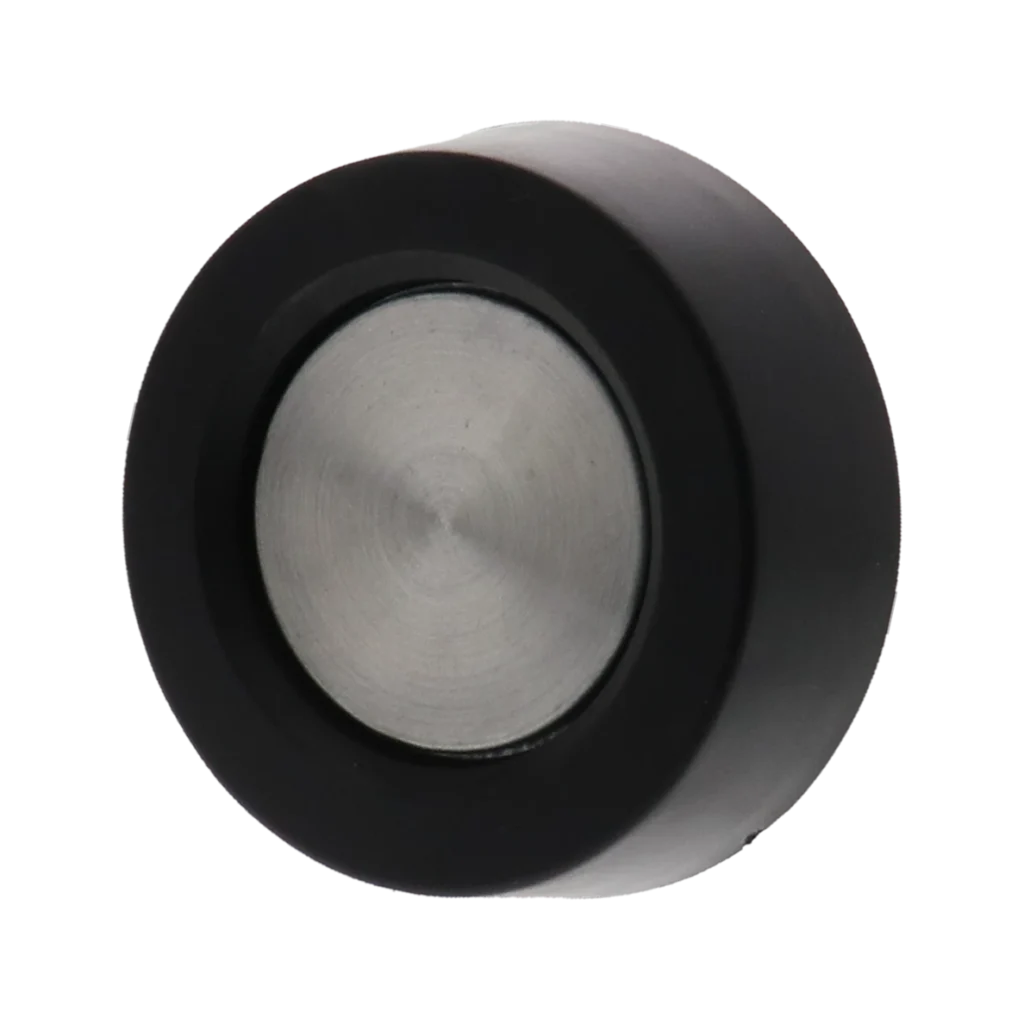
You load the washer, add detergent, turn the timer knob to the wash cycle... and nothing. No water filling, no motor humming, just silence. Before you call for a repair visit that'll cost $150+, there's a good chance your Whirlpool or Kenmore washer's timer knob (part 3362624) is the culprit — either it's stripped internally, cracked, or the timer mechanism behind it has failed.
This issue hits models like the Kenmore 110.82891120, 110.828918100 series, and dozens of Whirlpool direct-drive washers built between 2000-2015. The good news? This is one of the most straightforward washer repairs you can tackle yourself.
Quick Symptom Check
- Timer knob spins freely without clicking into cycle positions
- Knob turns but nothing happens — no water, no agitation, no sounds
- Works in some cycles but not others — certain positions dead
- Knob is cracked or broken at the base where it mounts
- You hear clicking inside but machine won't start — timer advances but no action
Cause #1: Stripped Timer Knob (Most Common — 40% of Cases)
The plastic D-shaped shaft inside the knob wears down over time, especially if you've been aggressive turning it or forcing it past stuck positions. When stripped, the knob just spins without engaging the timer shaft underneath.
How to diagnose: Remove the knob (pull straight out firmly) and inspect the D-shaped hole. If it's rounded out or cracked around the edges, that's your problem. Compare it to the metal D-shaft on the timer — there should be zero play when properly mounted.
Fix difficulty: Easy. Part 3362624 costs around $41 and takes 30 seconds to replace. No tools needed — just pull off the old knob and push on the new one until it seats firmly. Make sure the flat side of the D-shaft aligns with the flat side of the knob opening.
Probability: If the knob spins freely, this is 95% your issue.
Cause #2: Failed Timer Motor Assembly
Behind the timer knob sits the actual timer motor — a small synchronous motor that advances through wash cycles. These can burn out, especially in hard-water areas where mineral buildup causes them to work harder.
How to diagnose: With the washer unplugged, remove the control panel (usually 2-4 screws along the top back edge). Look at the timer assembly behind where the knob mounts. Use a multimeter to check continuity across the motor terminals while manually advancing the timer. You should see different resistance readings as you rotate through cycles.
Fix difficulty: Moderate. The timer assembly costs $60-120 depending on your model. You'll need a screwdriver and possibly needle-nose pliers to disconnect wire harnesses. Takes 20-30 minutes if you're methodical about noting which wires go where (take photos with your phone).
Probability: About 30% if the knob itself looks fine but nothing happens when you turn it.
Cause #3: Broken Knob Mounting Tabs
The knob has small plastic tabs that can crack, especially on Kenmore 110-series models. When these break, the knob won't stay seated properly and can't transfer rotational force to the timer shaft.
How to diagnose: Remove the knob and examine the back side. You'll see 2-3 small tabs that should be intact. If any are broken off, the knob won't grip correctly even if the D-shaft hole is fine.
Fix difficulty: Easy — same $41 replacement as cause #1.
Probability: 15% of cases, usually after the washer is 8+ years old.
Cause #4: Stuck Timer Mechanism
Sometimes detergent residue or humidity causes the internal timer contacts to stick. The knob turns fine, you hear clicking, but the machine won't advance to the next cycle step.
How to diagnose: Access the timer assembly (control panel off). Manually rotate the timer cam while watching the contact points. They should open and close smoothly. If they're sticky or corroded, that's your issue.
Fix difficulty: Moderate. You can try cleaning contacts with electrical contact cleaner spray, but if corrosion is significant, replacement is safer. Cost: $60-120 for timer assembly.
Probability: 10%, more common in basements or laundry rooms with high humidity.
Cause #5: Worn Timer Shaft
Less common but possible — the metal D-shaft on the timer itself can wear down over decades of use. This is almost always accompanied by a stripped knob, so you'd replace both.
How to diagnose: With the knob removed, examine the metal shaft. It should have crisp, square edges on the flat sides of the "D". If rounded or visibly worn, it needs replacement.
Fix difficulty: Same as cause #2 — requires timer assembly replacement.
Probability: 5%, mostly on washers 15+ years old.
When to Call a Pro
If you've replaced the timer knob and the timer assembly and the washer still won't start, you're likely dealing with:
- Main control board failure (on electronic-control models)
- Lid switch problems (washer won't start if it thinks lid is open)
- Motor or drive system issues (separate from timer)
At that point, a diagnostic service call makes sense. The tech can trace electrical continuity through the entire system.
Frequently Asked Questions
Will any timer knob fit my Kenmore washer?
Part 3362624 is compatible with dozens of Kenmore 110-series and Whirlpool direct-drive washers made between roughly 1995-2015, including models 110.82891120, 110.828918100, 110.92093320, and many others. Check your model number against the compatibility list to confirm. The knob is universal across these models because they share the same timer design.
Can I use the washer without the timer knob?
Technically yes — you can use pliers to turn the metal timer shaft directly if you're in a pinch before the replacement part arrives. But this risks damaging the timer shaft itself (it's not designed for that kind of torque), and you'll have a hard time getting precise cycle positioning. Better to wait the 1-2 days for the $41 knob to arrive.
Why does my timer knob keep breaking?
If you're replacing this knob every couple years, the issue isn't the knob — it's either: (1) forcing the knob past stuck positions instead of addressing a sticky timer mechanism, (2) overtightening when you push it on (it should seat firmly but not require excessive force), or (3) timer motor issues causing the cam to bind, which puts stress on the knob when you manually turn it. Address the root cause or you'll keep buying knobs.
Diagnosed the problem?
3362624 · In Stock · Fast shipping