
Whirlpool Washer Making Grinding Noise During Spin — 4 Causes & How to Fix
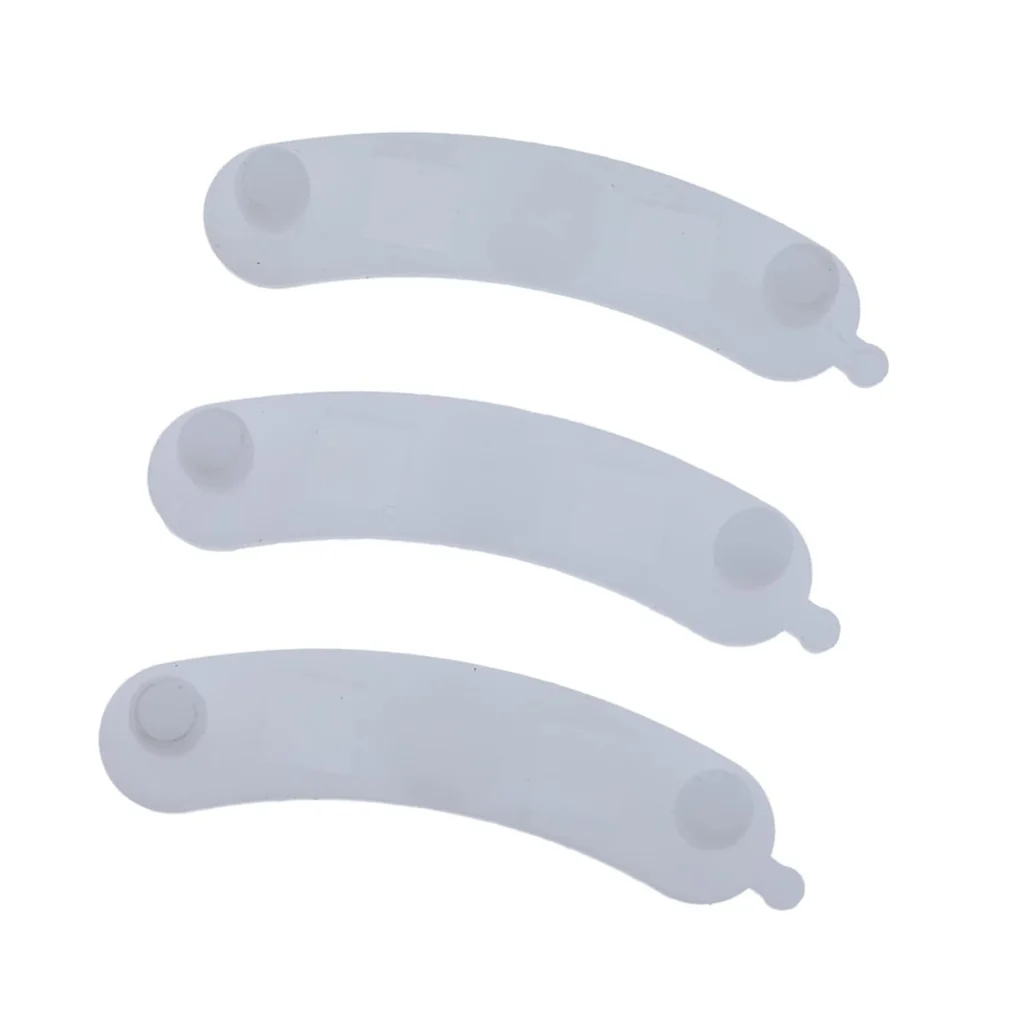
Your Whirlpool washer sounds like it's chewing gravel during the spin cycle. That grinding, scraping noise isn't coming from loose change in the drum — it's likely your tub wear pads disintegrating between the outer tub and transmission. These three friction pads (part 285744) keep the spinning basket centered and quiet. When they wear through, metal grinds on metal, and your transmission's days are numbered if you don't act fast.
I've replaced these pads on dozens of older Whirlpool direct-drive models like the LSA5232EQ series and LSN1000PQ line. The good news? This is a $15 repair that takes about 45 minutes once you know the trick. The bad news? Ignore it too long and you're looking at a $300 transmission replacement.
Quick Symptom Check
Your washer likely has worn tub wear pads if you're experiencing:
- Grinding or scraping noise during spin cycle — sounds like metal-on-metal contact, especially noticeable when the basket reaches full speed
- Thumping or banging during agitation — the tub rocks excessively because the pads no longer stabilize it properly
- Black rubber debris in the tub — small fragments appearing after wash cycles are disintegrated pad material
- Excessive vibration during spin — the basket wobbles more than usual because it's no longer properly centered
- Squealing noise when spinning empty — metal components rubbing without the cushioning effect of intact pads
Cause #1: Worn or Missing Tub Wear Pads (75% Probability)
This is the most likely culprit if your washer is 5+ years old. The three friction pads (285744) sit between the outer tub and the drive block. Every spin cycle creates friction and heat. Over thousands of cycles, they literally wear away to nothing.
How to diagnose: Unplug the washer and tip it back against the wall (get help — these are heavy). Look up from underneath with a flashlight. You'll see the transmission shaft and drive block. The three wear pads should be visible around the transmission bell. If they're thin, cracked, or missing chunks, you've found your problem.
Models like the LSA5232EQ0, LSA5232JQ4, and LSN1000PQ0 all use this same pad configuration. Whirlpool, Kenmore (110.series), Roper, and Amana washers with direct-drive transmissions share this design.
The fix: Replace all three pads as a set. Don't replace just one — the others are equally worn. You'll need to disconnect the drive block from the transmission shaft. Apply a thin layer of waterproof grease to the new pads before installation to extend their life. Cost: $12–$18 for the 3-pack.
Cause #2: Damaged Drive Block Assembly (15% Probability)
Sometimes the noise isn't just the pads — it's the plastic drive block itself. This component connects the transmission to the basket. If it cracks or the mounting ears break off, you'll hear grinding plus erratic basket movement.
How to diagnose: While you're underneath checking the wear pads, inspect the drive block for cracks, especially around the three mounting points. Grab the basket and try to rock it side-to-side. If there's excessive play beyond normal movement, the drive block might be compromised.
The fix: Replace the drive block along with new wear pads. The drive block and pads work together — if one's damaged, replace both while you're in there. Cost: $30–$45 for a quality aftermarket drive block.
Cause #3: Worn Transmission Shaft or Bell Housing (8% Probability)
If worn pads weren't replaced promptly, the transmission shaft itself gets scored by metal-on-metal contact. Once the shaft develops grooves, even new pads won't eliminate the noise completely.
How to diagnose: After removing the old wear pads, run your finger along the transmission shaft surface where the pads contact it. You should feel smooth metal. If you feel grooves, ridges, or rough spots, the shaft is damaged.
The fix: Minor scoring can be cleaned up with fine emery cloth (400-grit), but deep grooves mean transmission replacement. At that point, you're deciding whether a $250–$350 transmission is worth installing in an older washer. Cost: $8 for emery cloth, or $250+ for transmission replacement.
Cause #4: Foreign Object Between Tubs (2% Probability)
Occasionally, something falls between the inner basket and outer tub — a sock clip, underwire, coin, or small toy. It gets wedged in the gap and creates grinding noise as the basket spins.
How to diagnose: Spin the basket by hand slowly while the washer is off. Listen for clicking, scraping, or feel resistance at certain points in the rotation. Shine a light down between the tub and basket while rotating it.
The fix: You may need to remove the agitator and reach down with needle-nose pliers or a flexible grabber tool. Sometimes tilting the washer back and shaking helps dislodge objects. Cost: $0 if you can retrieve it yourself.
When to Call a Pro
Most DIYers can handle wear pad replacement with basic tools and patience. Call a technician if:
- The transmission shaft is severely scored and needs replacement
- You're not comfortable tilting the washer or working underneath it
- The grinding continues after replacing pads — indicates deeper transmission damage
- You discover leaking oil from the transmission bell housing
A service call runs $150–$200 plus parts. Replacing wear pads yourself saves about $120 in labor.
Frequently Asked Questions
How long do tub wear pads typically last?
In normal use, expect 8–12 years from factory wear pads. Heavy use, large loads, or frequent unbalanced loads reduce lifespan to 5–7 years. If you hear grinding at year 6 or 7, don't be surprised — you've gotten decent life from them. Aftermarket pads using quality rubber compound last just as long as OEM.
Can I run the washer with worn tub wear pads temporarily?
Only in an absolute emergency, and for a few cycles max. Every spin cycle without proper pads damages the transmission shaft and drive block. What starts as a $15 repair becomes $300+ if you let it go. The metal-on-metal grinding you hear is literally destroying components. Order the parts and fix it within a week of noticing the noise.
Do all Whirlpool washers use the same wear pads?
No. Part 285744 fits direct-drive models (no belt) from roughly 1990–2010. This includes most Whirlpool, Kenmore 110.series, Roper, Amana, and older KitchenAid top-loaders. Belt-drive models from the 1980s use different pads. Newer cabrio-style washers (2011+) have completely different suspension systems. Check your model number against the compatibility list — models like LSA5232, LSN1000, LSQ9200, and LSV9245 all use 285744.
Diagnosed the problem?
285744 · In Stock · Fast shipping