
Frigidaire Washer Won't Start or Lid Won't Lock — 5 Causes & How to Fix
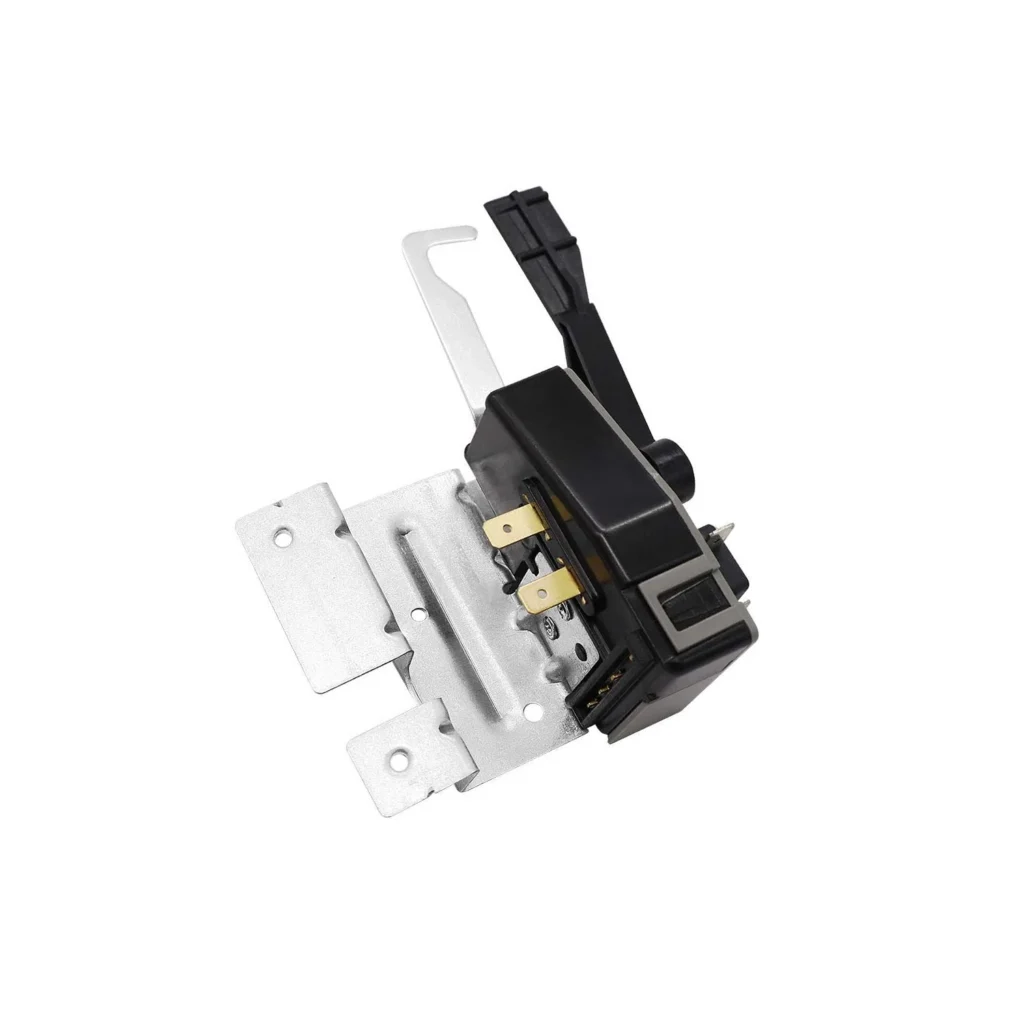
You load the washer, add detergent, press start — and nothing happens. The lid won't lock, or maybe it clicks but the wash cycle never begins. On Frigidaire, Electrolux, and Kenmore top-load washers built after 2008, the lid lock assembly (part 134101800) is the single most common reason for this dead-in-the-water symptom.
This isn't just inconvenient — it's a safety interlock designed to prevent the drum from spinning with the lid open. When it fails, your washer interprets it as "lid is open" even when it's firmly closed, and refuses to run. Here's how to diagnose and fix it.
Quick Symptom Check
Your washer has a failed or failing lid lock assembly if you're experiencing:
- Washer fills but won't agitate or spin — lights are on, water enters, but the drum stays still
- Lid won't click or lock when you close it — no mechanical engagement sound
- Error code displays — common codes include E47, E52, or continuous flashing lights
- Clicking sound but no lock — you hear the mechanism trying to engage but it doesn't catch
- Intermittent starting — sometimes works, sometimes doesn't, especially after slamming the lid
Cause #1: Broken Lid Lock Switch Assembly (65% of Cases)
The plastic latch mechanism inside the lid lock assembly cracks or wears out from repeated use. Models like the FWS235RFS0, FWS235RBS3, and FLSE72GCSA are particularly prone to this after 3-5 years of daily use.
How to diagnose:
- Unplug the washer completely
- Open the lid and locate the lid lock assembly under the top panel near the hinge
- Visually inspect the striker (the part attached to the lid) — look for cracks or missing pieces
- Check if the lock mechanism moves freely or feels stuck
- If you have a multimeter, test continuity across the switch terminals when manually engaging the lock
The fix: Replace the entire lid lock assembly. The part costs $25-45 and takes about 20 minutes to install. You'll need a Phillips screwdriver and possibly a 1/4" nut driver to access the top panel.
Cause #2: Wiring Harness Damage (20% of Cases)
The wiring connector between the lid lock and the control board can corrode, come loose, or get damaged by vibration. This is especially common on models installed in damp basements.
How to diagnose:
- Unplug the washer and remove the top panel (usually two screws at the back)
- Locate the wire harness connector — it's typically a 3-wire plug near the lid lock
- Disconnect and inspect for corrosion (green or white buildup), bent pins, or melted plastic
- Check the wires themselves for breaks, especially where they bend near the hinge
The fix: Clean corroded connections with electrical contact cleaner, or replace damaged sections of wiring. If pins are bent, carefully straighten them with needle-nose pliers. Reconnect firmly until you hear a click.
Cause #3: Failed Control Board (10% of Cases)
The main control board that receives signals from the lid lock can fail, typically due to power surges or moisture infiltration. When this happens, the board doesn't recognize that the lid is locked even though the switch works perfectly.
How to diagnose:
- Test the lid lock assembly on another known-good washer (if available) or with a multimeter
- If the lid lock tests good but the washer still won't start, the control board is likely faulty
- Look for error codes — E47 specifically points to control board communication issues
The fix: Control board replacement is a $150-300 repair if you DIY, or $300-500 with a service call. Honestly assess whether this is worth it on a washer older than 8 years.
Cause #4: Misaligned Lid Strike (3% of Cases)
If someone has forced the lid open while it was locked (kids trying to add clothes mid-cycle), or if the washer has been moved roughly, the striker plate on the lid itself can bend or shift out of alignment.
How to diagnose:
- Close the lid slowly and watch where the striker enters the lock assembly
- It should slide in straight and centered — if it hits one side or misses the opening, it's misaligned
- Check if the lid itself sits evenly when closed
The fix: The striker is usually held by two screws. Loosen them slightly, reposition the striker, test the fit, then tighten. On some models like the FGX831FS3, you can't adjust the striker — you'll need to replace the entire lid assembly.
Cause #5: Debris in Lock Mechanism (2% of Cases)
Detergent residue, fabric softener buildup, or small objects (coins, lint, pet hair) can jam the mechanical locking mechanism. This is rare but easy to fix.
How to diagnose:
- Open the lid and look directly into the lock receiver — shine a flashlight
- Look for white crusty buildup, sticky residue, or foreign objects
The fix: Clean the mechanism with a cotton swab dipped in white vinegar. Work the lock manually a few times to clear any debris. If buildup is severe, remove the assembly and soak it in warm water with dish soap for 15 minutes.
When to Call a Pro
Call a technician if:
- You've replaced the lid lock assembly and the problem persists — likely a control board issue requiring specialized diagnostics
- You see water damage or rust inside the control panel — this indicates a larger leak problem
- The washer is still under warranty — DIY repairs can void coverage
- You're not comfortable working with electrical connections — there's no shame in that
For most DIYers, replacing the lid lock assembly (part 134101800) is straightforward and solves the problem 85% of the time. It's compatible with dozens of Frigidaire, Electrolux, Kenmore, Gibson, Westinghouse, and Crosley models including FWS235RFS0, CRWS5700AS0, SFWX703AS, and many others.
Frequently Asked Questions
Can I bypass the lid lock to make my washer work temporarily?
Technically yes, by jumpering the switch connections, but this is extremely dangerous. The lid lock prevents the drum from spinning at 1000+ RPM with the lid open — a serious injury risk. Don't bypass it. Replace the part instead.
Why does my lid lock work sometimes but not others?
This intermittent failure usually means the plastic latch mechanism is cracked but hasn't completely broken yet. Temperature changes cause the plastic to expand and contract, making the crack more or less severe. It'll fail completely soon — replace it now before you're stuck mid-laundry day.
Will this part work on my Kenmore washer even though it says Frigidaire?
Yes. Many Kenmore top-loaders (especially 417.90xxx models) were manufactured by Frigidaire and use identical parts. Check your model number against the compatibility list — if it matches, you're good to go. The part number 134101800 replaces several older numbers including 131675600, 131595100, and AP2108159.
Diagnosed the problem?
134101800 · In Stock · Fast shipping