
How to Extend Your GE Refrigerator Inverter Control Board Life — Maintenance Guide
Disconnect power before accessing any control panel areas. Capacitors retain charge even when unplugged. This board manages high-voltage compressor operation — improper handling risks electric shock.
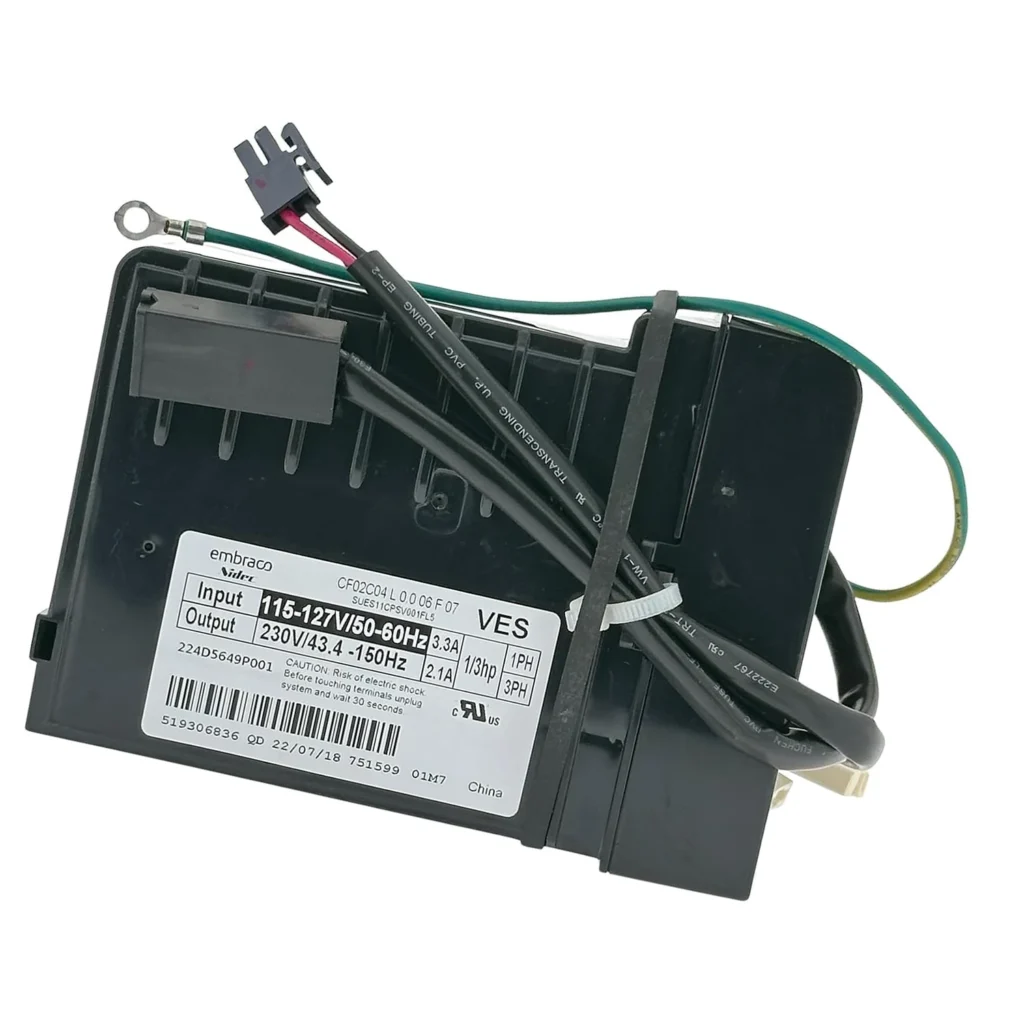
The WR55X36435 inverter control board in your GE Café, Monogram, or Haier refrigerator should last 8–12 years, but most fail around the 5–7 year mark. That's a $320 replacement you're looking at — and it's almost always preventable. The difference? How you treat the electrical environment around your fridge.
I've replaced dozens of these boards in models like the CGE29DP2TBS1 and CVE28DP3NBD1, and here's what kills them early: power surges, compressor overwork from dirty coils, and heat buildup behind the control panel. The good news? All three are avoidable with the right routine.
How Long Should It Last?
Under ideal conditions — stable power, clean coils, proper ventilation — this inverter board will give you 10–15 years. It's a robust piece of engineering that manages variable-speed compressor operation across dozens of Café and Monogram models.
But "ideal conditions" rarely exist. Most homes have minor voltage fluctuations. Dust accumulates. The fridge gets pushed too close to the wall. Each of these chips away at board lifespan, and you won't notice until the compressor stops responding or the fresh food section runs warm.
Here's what affects longevity:
- Power quality: Voltage spikes from HVAC startup or storm activity stress capacitors on the board
- Heat exposure: Poor ventilation around the control housing accelerates component degradation
- Compressor strain: Dirty condenser coils force the inverter to work harder, generating excess heat
- Humidity: Condensation from door gasket failures can migrate into control panel areas
Signs It's Wearing Out
The WR55X36435 doesn't fail overnight. It gives warnings, but they're easy to miss if you don't know what to listen for. Here's what to watch for across compatible models like the CXE22DP3PBD1 and CVE28DP4NCW2:
Compressor Cycling Issues
You'll hear the compressor start, run for 30 seconds to 2 minutes, then shut off. It repeats this every 5–10 minutes instead of running smooth variable-speed cycles. That's the inverter board struggling to maintain proper control signals. At first it's annoying. Within weeks, your freezer's running 38°F instead of 0°F.
Temperature Fluctuations Without Pattern
Fresh food section swings between 34°F and 44°F with no explanation. You haven't changed settings. The door gasket's fine. This happens because failing capacitors on the inverter board create erratic compressor speeds — too fast, then too slow, never consistent.
Clicking from Behind the Control Panel
Not from the compressor area — from up top, behind the display. That's relay chatter on the board itself. The clicking happens when the board tries to engage the compressor but can't maintain the connection. Once you hear this, you've got maybe 2–4 weeks before complete failure.
Fresh Food Section Warming While Freezer Stays Cold
The inverter prioritizes freezer operation when it's failing, so you'll get frozen items that stay solid while milk spoils in three days. This asymmetric failure pattern is specific to inverter-controlled systems and means the board's in its final stages.
When to Replace vs Maintain
Here's the honest truth: once this board fails, maintenance won't help. You're replacing it. There are no serviceable components, no fuses to swap, no resets that work. What you're doing with maintenance is preventing failure in the first place.
Replace immediately if:
- The compressor won't start at all
- You see burn marks or smell electrical odor behind the display panel
- Error codes appear that reference the inverter (check your model's manual)
- Temperature control is completely unresponsive
Maintain and monitor if:
- The fridge is working normally but you're past the 5-year mark
- You've experienced recent power outages or surges
- You've never cleaned the condenser coils (do this immediately)
- You notice occasional minor temperature drift that corrects itself
The $320 replacement cost makes prevention worth the effort. I'd rather spend 30 minutes quarterly on maintenance than deal with a warm fridge full of spoiled food.
Frequently Asked Questions
Will a surge protector actually help protect the inverter board?
Yes, but use a proper appliance-grade surge protector rated for 15+ amps, not a cheap power strip. Look for joule ratings above 2000. The best protection comes from whole-house surge protection at your breaker panel, which costs $200–400 installed but protects every appliance. For refrigerators specifically, you want protection that responds in under 1 nanosecond — the board's electronics are that sensitive.
How often should I vacuum the condenser coils to protect the inverter?
Every three months minimum, monthly if you have pets. Dirty coils force the compressor to work 30–40% harder, which means the inverter board runs hotter and cycles more frequently. Both accelerate failure. Pull the fridge out, remove the lower grille, and vacuum thoroughly. Takes 10 minutes and probably adds 2–3 years to board life.
Can high humidity damage the control board even if there's no visible water?
Absolutely. Humidity above 65% in your kitchen combined with temperature swings creates condensation inside the control housing. Over months, this causes corrosion on solder joints and circuit traces. If you live in a humid climate, run a dehumidifier in summer and make sure your fridge door gaskets seal perfectly — gaps let warm, moist air reach the control area.
Element showing wear?
WR55X36435 · Replace before it fully fails