
How to Extend Your GE Defrost Heater Life — Maintenance Guide
Always unplug refrigerator before accessing defrost heater. The heater operates at 500°F+ and retains heat. Wait 30 minutes after unplugging before touching any internal components.
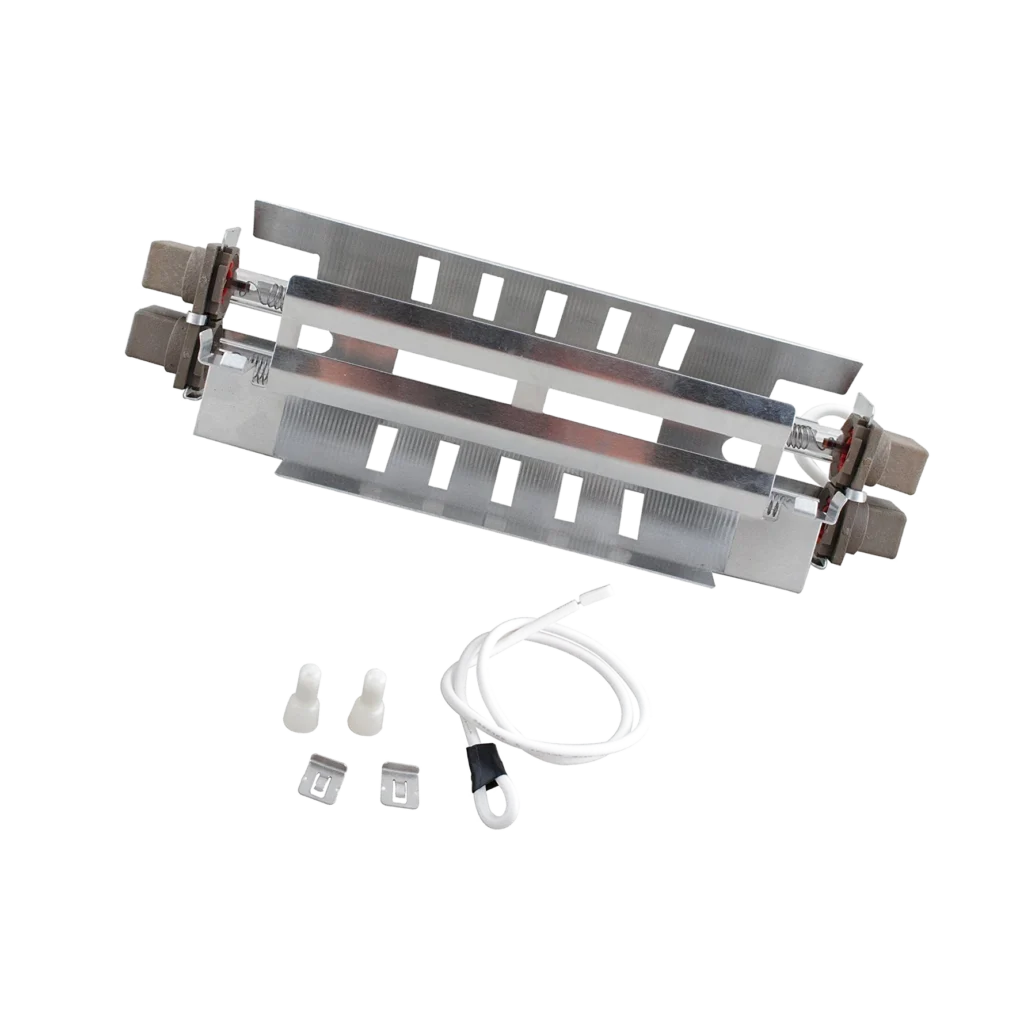
Most GE defrost heaters should last 8-12 years, but here's the reality: about 40% fail within 5-7 years because nobody thinks about them until frost starts creeping across the freezer walls. By the time you notice your GSS20IETAWW running constantly or your ice maker refusing to work, the heater's already been struggling for months.
The defrost heater in your GE, Hotpoint, or Kenmore refrigerator cycles on several times a day to melt frost off the evaporator coils. It's a brutal job — heating up to 500°F, then cooling back down, over and over. But with some attention, you can push that lifespan past the decade mark and avoid the $300+ service call.
How Long Should It Last?
Under normal conditions, the WR51X10101 defrost heater should last 10-15 years. That's roughly 15,000-20,000 defrost cycles. But several factors cut that short:
- Door seal condition — A worn gasket lets humid air in, forcing more frequent defrost cycles
- How often you open the door — Every door opening introduces moisture
- Ambient humidity — Coastal or basement installations work harder
- Defrost timer calibration — If it's cycling too often, the heater wears faster
I've seen heaters in Arizona last 14 years. Florida? Sometimes only 6. It's all about moisture load.
Signs It's Wearing Out
Your fridge won't send you a notification before the heater fails. You need to watch for these specific symptoms:
Frost Buildup on Freezer Walls or Coils
This is the earliest warning sign. If you're seeing a thin layer of frost forming on the back wall of your freezer or around the vents, the heater isn't completing full defrost cycles anymore. On models like the GSS22QFMC or ESH22JFWAWW, check the back panel inside the freezer — it should be clear, not icy.
Freezer Section Running Warmer Than Usual
When frost insulates the evaporator coils, cold air can't circulate properly. Your freezer might hover around 15-20°F instead of the proper 0-5°F. Food in the door bins starts getting soft, and ice cream never quite firms up.
Fridge Compartment Too Warm
Since most side-by-sides and French doors pull cold air from the freezer, a failing defrost system eventually warms the entire fridge. You'll notice the milk expiring early or condensation forming on produce drawers.
Compressor Running Constantly
Your compressor shouldn't run 24/7. If you can't remember the last time you heard it click off, the system's working overtime to compensate for blocked airflow from frost buildup. This dramatically shortens compressor life and spikes your electric bill.
Ice Maker Stops Producing
The ice maker's water line can freeze when defrost cycles fail. If your TFX20JABGWW or TFS22PPDABS suddenly stops making ice but the water dispenser still works, frost on the evaporator coils is blocking the ice maker's air supply.
Unusual Popping or Cracking Sounds
When frost builds up thick enough, you'll hear loud cracking noises as the ice expands and contracts with temperature changes. It's unsettling but not dangerous — just your fridge telling you it needs help.
Preventive Maintenance Schedule
You can't lubricate or adjust a defrost heater, but you can reduce the stress on it:
Keep the Condenser Coils Clean
Dirty condenser coils make the whole system work harder. Pull your fridge out twice a year and vacuum the coils underneath or behind it. On models like the HSS22GFTGWW or HSS22GFTAWW, the coils are typically at the bottom front, behind a grille.
Check and Replace Door Gaskets
Do the dollar bill test: close the door on a dollar bill and try to pull it out. If it slides easily, your gasket's worn. A leaky seal can double your defrost cycles. Replace gaskets every 5-7 years, or sooner if you see cracks.
Monitor Internal Temperature
Keep a cheap thermometer in both compartments. Freezer should stay 0-5°F, fridge 35-38°F. If temps creep up gradually over weeks, you're catching problems early.
Don't Overload the Freezer
Overpacking blocks airflow, creating warm spots that accumulate frost faster. Leave space around the vents — those are usually on the back wall or ceiling of the freezer.
Manual Defrost Once a Year
Even with a working defrost system, turn off your fridge once a year and let everything thaw completely. This resets the system and removes any stubborn ice buildup the heater couldn't quite handle. Plan it when you're going on vacation.
When to Replace vs Maintain
Here's the honest truth: if you're already seeing heavy frost buildup or temperature problems, maintenance won't fix it. The heater element either works or it doesn't — there's no halfway.
Replace if:
- Frost is more than 1/4 inch thick anywhere in the freezer
- You've manually defrosted but frost returns within 2-3 weeks
- Temperature problems persist after cleaning coils and checking door seals
- You hear the defrost timer clicking but temperatures don't improve
Maintain if:
- Everything's working fine (this is preventive care)
- You've caught very light frost early and manual defrost cleared it
- Temperatures are stable but you want to extend the heater's life
The WR51X10101 kit runs about $52, but factor in an hour of labor if you're hiring someone. The part itself is straightforward to replace — you're disconnecting the old heater from the evaporator coils and clipping in the new one. No soldering, no complex disassembly.
Real-World Lifespan Numbers
Based on typical use patterns:
- Light use (one or two people, door opened <15 times daily): 12-15 years
- Average use (family of four, normal kitchen activity): 8-12 years
- Heavy use (large family, kids constantly in the fridge, humid climate): 5-8 years
If you're in year 7-8 and haven't had problems, you're doing something right. Keep doing it.
Frequently Asked Questions
How can I tell if my defrost heater is bad or if it's the defrost timer?
Unplug the fridge and remove the freezer's back panel to expose the evaporator coils. If the heater looks burned, corroded, or broken, it's the heater. If everything looks intact but frost is still building up, test the heater with a multimeter — it should read 10-50 ohms. If it reads infinite resistance, the heater's open and needs replacement. If the heater tests good, your defrost timer or control board is likely faulty.
Can I just scrape off the frost instead of replacing the heater?
You can, temporarily. Manual defrosting buys you time, but frost will return within days or weeks because the underlying problem hasn't been fixed. If you're waiting for a part to arrive, manual defrosting keeps things functional. Long-term, though, you're fighting a losing battle and potentially damaging the evaporator coils with ice scrapers.
Will a failing defrost heater damage other parts of my refrigerator?
Yes, absolutely. Thick frost blocks airflow, forcing the compressor to run continuously. This shortens compressor life (a $600-800 repair) and can burn out the evaporator fan motor (another $100-150). Frozen coils can also crack from expansion, leading to refrigerant leaks. A $52 heater replacement now prevents a $1,000+ cascade failure later.
Element showing wear?
WR51X10101 · Replace before it fully fails