
How to Extend Your GE Refrigerator Door Handle Life — Maintenance Guide
Never overtighten mounting screws — this creates stress points that crack the plastic mounting posts. Snug is sufficient.
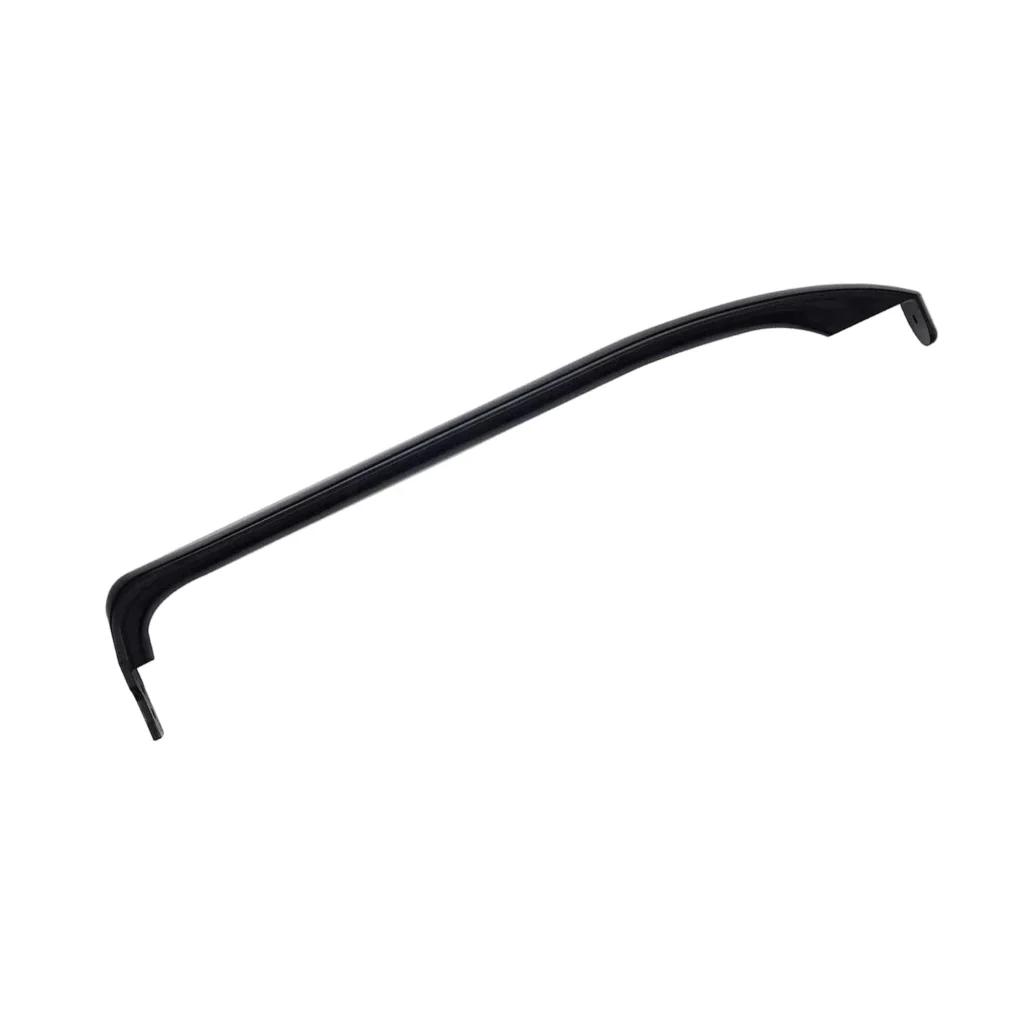
Most refrigerator door handles should last 10–15 years, but the average replacement happens around year 7. The difference? How you treat them daily. That GE black handle on your GTH18GBDCRBB gets pulled dozens of times every day — and each tug matters.
Your WR12X22183 door handle kit isn't just cosmetic. It's the primary interface between your family and everything inside that fridge. When it starts loosening or cracking, you're not just dealing with an eyesore — you're risking a complete handle failure that can damage the door liner or even bend the mounting brackets.
How Long Should It Last?
Under normal conditions, a properly maintained refrigerator door handle should last 12–15 years. That's the manufacturer's expectation. But here's what actually affects that number:
- Kitchen traffic — A family of five opening the fridge 50+ times daily puts significantly more stress on the handle than a couple opening it 15 times
- Pulling technique — Yanking from one end instead of gripping the center creates uneven stress on mounting points
- Temperature swings — Plastic and metal expand differently, and extreme garage temperatures accelerate material fatigue
- Cleaning products — Harsh chemicals break down the protective coating, making plastic brittle
- Installation quality — Overtightened screws create stress points that crack over time
With proper care, you'll easily hit that 15-year mark. Without it? You're looking at replacement around year 6 or 7.
Signs It's Wearing Out
Don't wait until your handle snaps off in your hand. Watch for these early warning signs:
Handle Feels Loose or Wiggles
This is usually the first sign. If you can shift the handle side-to-side or it doesn't feel rock-solid when you pull, the mounting screws have loosened or the internal mounting posts are wearing. On models like the GTH18GCD4RBB, this wobble often starts at the top mounting point because that's where most people grip.
Check it monthly: grip the handle firmly and try to move it perpendicular to the door. Zero movement? You're good. Any play at all? Time to tighten those screws.
Visible Cracks in the Plastic
Black handles hide damage well until it's serious. Run your fingers along the entire length, especially around the mounting areas and any curves. You're feeling for hairline cracks that you might not see. These almost always start where the handle meets the mounting bracket — the highest stress point.
Surface scratches are cosmetic. Cracks that go through the material? That handle is on borrowed time.
Discoloration or Fading
If your black handle is turning grayish or showing white stress marks, the plastic is degrading from UV exposure or chemical damage. This is common on refrigerators placed near windows or cleaned with bleach-based products. The material becomes brittle, and a crack isn't far behind.
Difficult Door Opening
If the door suddenly requires more force to open, the handle might be bending slightly under pressure instead of transferring force cleanly to the door. This happens when internal mounting points have partially failed. You'll feel it — the handle flexes instead of staying rigid.
Preventive Maintenance Schedule
Here's what actually works to extend handle life:
Weekly: Wipe down with warm water and mild dish soap. That's it. Skip the all-purpose cleaners that contain ammonia or bleach. These chemicals accelerate plastic breakdown on GE's black handle material.
Monthly: Check mounting screw tightness. You'll need a 1/4" hex driver for most GE models. Don't overtighten — snug is enough. You're looking for zero wiggle without stressing the plastic mounting posts.
Every 6 months: Inspect the mounting area behind the handle. Pull the handle slightly away from the door (don't force it) and look for stress cracks around the screw holes. If you see white stress marks forming, you're overtightening during your monthly checks.
Annually: Apply a thin coat of ArmorAll or similar plastic protectant to black handles. This replenishes oils in the plastic and provides UV protection. Buff off excess — you want protection, not a greasy handle.
When to Replace vs Maintain
Here's the honest decision framework:
Keep maintaining if:
- Screws tighten up and handle becomes solid again
- Only cosmetic scratches (no structural cracks)
- Handle is less than 8 years old
- No visible stress marks around mounting points
Replace when:
- Cracks visible anywhere on the handle body
- Tightening screws doesn't eliminate wobble
- White stress marks around screw holes
- Handle flexes noticeably when pulled
- Mounting posts inside the door are stripped
The WR12X22183 kit includes everything you need for a complete replacement — both handles and all mounting hardware. If one handle is showing wear, replace both. They've experienced the same stress, and you don't want to repeat this job in six months.
What Kills Door Handles Faster
Three things destroy refrigerator handles prematurely:
Kids hanging on them. A 40-pound kid using your handle as a jungle gym creates forces it wasn't designed for. Those mounting points are rated for pulling, not downward weight. If you've got young kids, have the conversation now.
Garage installations. Temperature swings from 40°F to 95°F make plastic brittle faster. If your fridge is in the garage, expect 30% shorter handle life unless you're diligent about the protectant application.
Opening technique. Gripping just one end of the handle and yanking creates uneven stress. Always pull from the center. This distributes force evenly across both mounting points.
Frequently Asked Questions
Can I just tighten the screws if my handle feels loose?
Yes, but don't overtighten. Remove the handle and check the mounting posts on the back. If they look intact (not cracked or stripped), reinstall with screws snug but not torqued down. If posts are damaged, tightening screws won't help — you need a new handle. The WR12X22183 kit fits dozens of GE models including the GTH17GBEDRBB, GTH18GBDCRCC, and GTH18GCD4RWW.
How do I remove yellowing or stains from a black handle?
Make a paste from baking soda and water. Apply with a soft cloth, let sit for 5 minutes, then wipe clean. For stubborn stains, use isopropyl alcohol (70% or higher) on a microfiber cloth. Never use Magic Eraser or abrasive pads — they'll remove the protective finish and make the plastic absorb stains faster going forward.
Do I need to replace both handles if only one is damaged?
Not technically required, but highly recommended. They've experienced identical wear, and the second one likely has the same internal stress developing. The WR12X22183 kit includes both handles anyway, so replacing both now saves you from doing this job twice. Plus, a new handle next to a 10-year-old one looks mismatched — the old one will show fading you didn't notice before.
Element showing wear?
WR12X22183 · Replace before it fully fails