
How to Extend Your Whirlpool Broil Element Life — WP9760774 Maintenance Guide
Always disconnect power at the breaker before inspecting or cleaning the element. Never touch the element until it has cooled for at least 30 minutes. A broil element operates at 500°F+ and retains dangerous heat levels long after you turn off the oven.
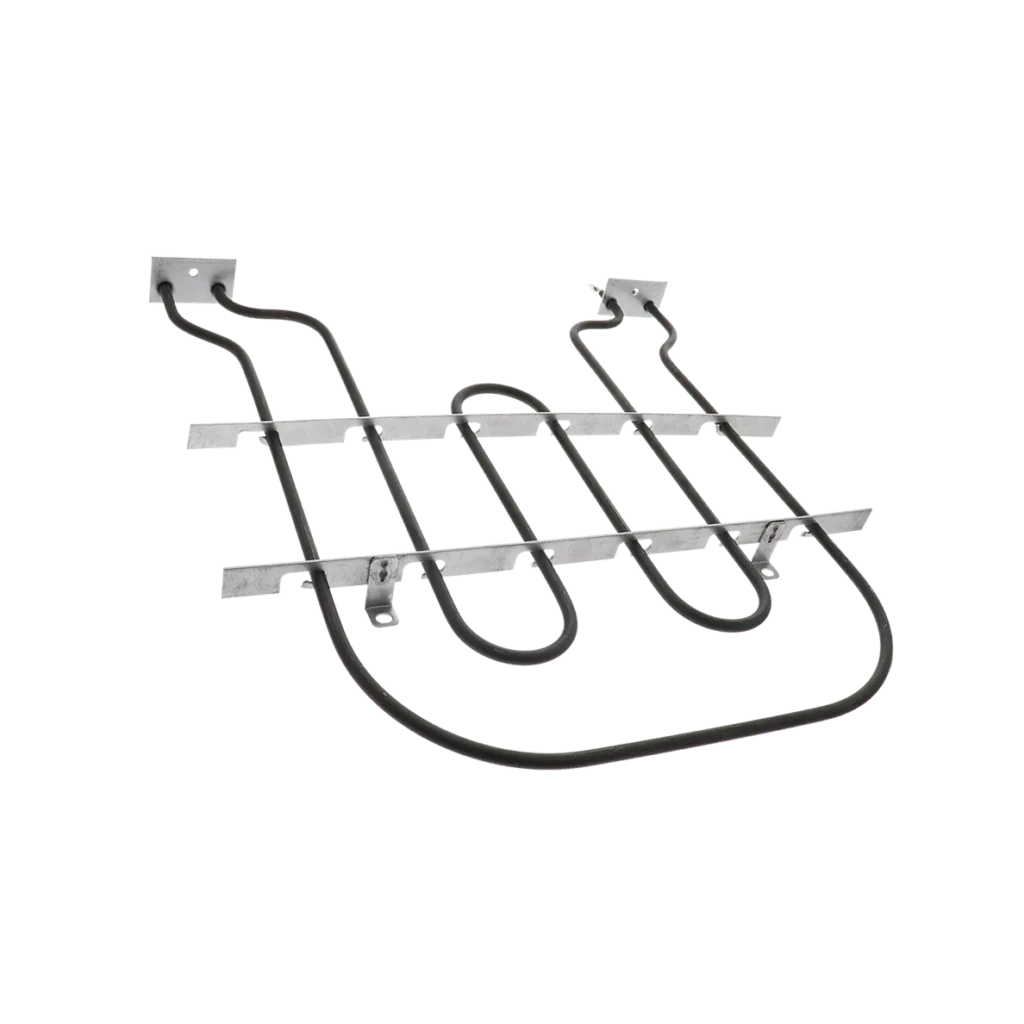
Most broil elements should last 8–10 years, but in real-world kitchens, they often fail around year 5 or 6. The WP9760774 broil element in your KitchenAid KESA907PSS00 or Whirlpool KEBS107SSS00 isn't cheap at $110.99 — so getting those extra years matters. The difference usually comes down to how you use it, not just how often.
How Long Should It Last?
A properly maintained broil element typically lasts 8–12 years with moderate use. That's about 2,000–3,000 broiling cycles. But several factors cut that short:
- Temperature shock: Running broil immediately after cleaning with cold water reduces lifespan by 30–40%
- Grease buildup: Creates hot spots that cause uneven heating and premature burnout
- Excessive use: Daily broiling (restaurant-style cooking at home) cuts expected life in half
- Power surges: Voltage spikes during storms or from other appliances can damage the element internally
The WP9760774 is a robust element used across KitchenAid, Maytag, and Jenn-Air models, but it's not indestructible. Regular care makes the difference between 5 years and 10.
Signs It's Wearing Out
Broil elements don't fail suddenly — they give you warnings. Here's what to watch for:
Element Will Not Heat
Complete failure is obvious, but partial failure starts weeks earlier. You'll notice the element takes longer to reach full brightness, or one section glows dimmer than the rest. This happens when the internal coil develops resistance from repeated thermal expansion. If you're seeing uneven glow patterns, you're looking at 2–4 weeks before complete failure in most cases.
Little to No Heat When Broiling
Your steaks aren't searing like they used to. The element glows, but food that should brown in 6 minutes takes 15. This gradual heat loss means the element's resistance has increased — it's drawing power but converting less of it to heat. It'll still work for baking (which uses the bottom element), but broiling performance drops noticeably.
Oven Not Heating Evenly
If the left side of your broiler pan browns while the right side stays pale, you've got a failing section in the element. This uneven heating also affects baking, since most ovens use both elements during the preheat cycle. The WP9760774 has a continuous coil design, so one weak spot affects the entire element's performance.
Visual Inspection Clues
Pull out the oven racks and look at the element when it's cold:
- Blistering or bubbling on the metal sheath means internal breakdown
- Dark spots or discoloration indicate areas that run hotter than normal
- Sagging or warping means the element has overheated repeatedly
- Visible breaks or cracks in the sheath — replace immediately
Maintenance Schedule That Actually Works
Here's the realistic maintenance schedule I recommend for the WP9760774:
After Each Broiling Session
Let the element cool completely — at least 30 minutes — before doing anything. Never spray water or cleaner on a hot element. Once cool, wipe away any grease splatter with a dry cloth. Don't scrub. Grease that's baked on once will come off easier after the next heating cycle.
Monthly Deep Clean
Remove the oven racks and inspect the element visually. Use a slightly damp (not wet) cloth to wipe the element when it's completely cold. For stubborn grease, make a paste of baking soda and water, apply it gently, let it sit for 10 minutes, then wipe clean. Avoid commercial oven cleaners directly on the element — the chemicals can corrode the protective sheath.
Every Six Months
Check the electrical connections. Turn off the breaker first. The WP9760774 has terminal connections at the back of the oven cavity. Look for:
- Loose wire connections (causes arcing and element damage)
- Corrosion on terminals (increases resistance)
- Burn marks on the wiring harness (replace immediately)
Tighten any loose connections and clean terminals with a wire brush if there's corrosion.
Annually
Run a full oven self-clean cycle if your model has it. This burns off accumulated grease and carbon deposits that affect heat distribution. The WP9760774 is rated for self-clean temperatures (up to 900°F), but don't run self-clean more than twice a year — the extreme heat does stress the element.
When to Replace vs Maintain
Here's the honest decision framework:
Maintain if: The element heats evenly, reaches full brightness within 2 minutes, and has no visible damage. Even if it's 7 years old, proper maintenance can add another 3–5 years.
Replace if: You're seeing any of these:
- Element glows but doesn't produce adequate heat for broiling
- Visible cracks, blisters, or breaks in the sheath
- Sections that don't glow or glow dimmer than the rest
- Takes more than 3 minutes to reach full brightness
- You smell electrical burning when broiling
Don't try to repair a damaged element. The WP9760774 is a sealed unit — once the internal coil or sheath is compromised, replacement is your only safe option.
What Kills Broil Elements Faster
Three things destroy these elements prematurely:
Foil on the broiler pan. Wrapping your broiler pan in foil seems convenient, but it reflects heat back at the element. This creates temperatures 150–200°F higher than normal, causing the element to overheat and fail early. Use a proper broiler pan that allows grease to drip away.
Leaving the oven door open while broiling. Some people crack the door to "let heat escape," but this makes the element work harder to maintain temperature. The element cycles on more frequently, which shortens its life. Keep the door closed — modern ovens are designed for it.
Cleaning while hot. Splashing cold water or cleaner on a 500°F element causes thermal shock. The rapid temperature change cracks the metal sheath and damages internal components. Always let it cool first.
Frequently Asked Questions
How often should I replace my WP9760774 broil element?
With proper maintenance, expect 8–12 years for moderate use (2–3 times weekly broiling). Heavy users (daily broiling) should plan for 5–7 years. Replace when you notice the symptoms above — don't wait for complete failure, since a failing element can trip breakers or damage other oven components.
Can I clean the broil element with oven cleaner?
No. Commercial oven cleaners contain sodium hydroxide (lye) that corrodes the element's metal sheath. Use only baking soda paste or mild dish soap on a damp cloth. The element is self-cleaning to a degree — most residue burns off during normal use.
Why does my broil element glow unevenly?
Uneven glowing indicates internal coil damage or increased resistance in certain sections. This happens from repeated overheating, thermal shock, or manufacturing defects. Once you see uneven glowing, the element is on borrowed time — typically 2–8 weeks before complete failure. Order the replacement now rather than waiting for an emergency.
Element showing wear?
WP9760774 · Replace before it fully fails