
How to Extend Your Whirlpool Dishwasher Upper Rack Roller Life — Maintenance Guide
Always pull dishwasher racks completely out before working on rollers to prevent sudden drops or pinched fingers
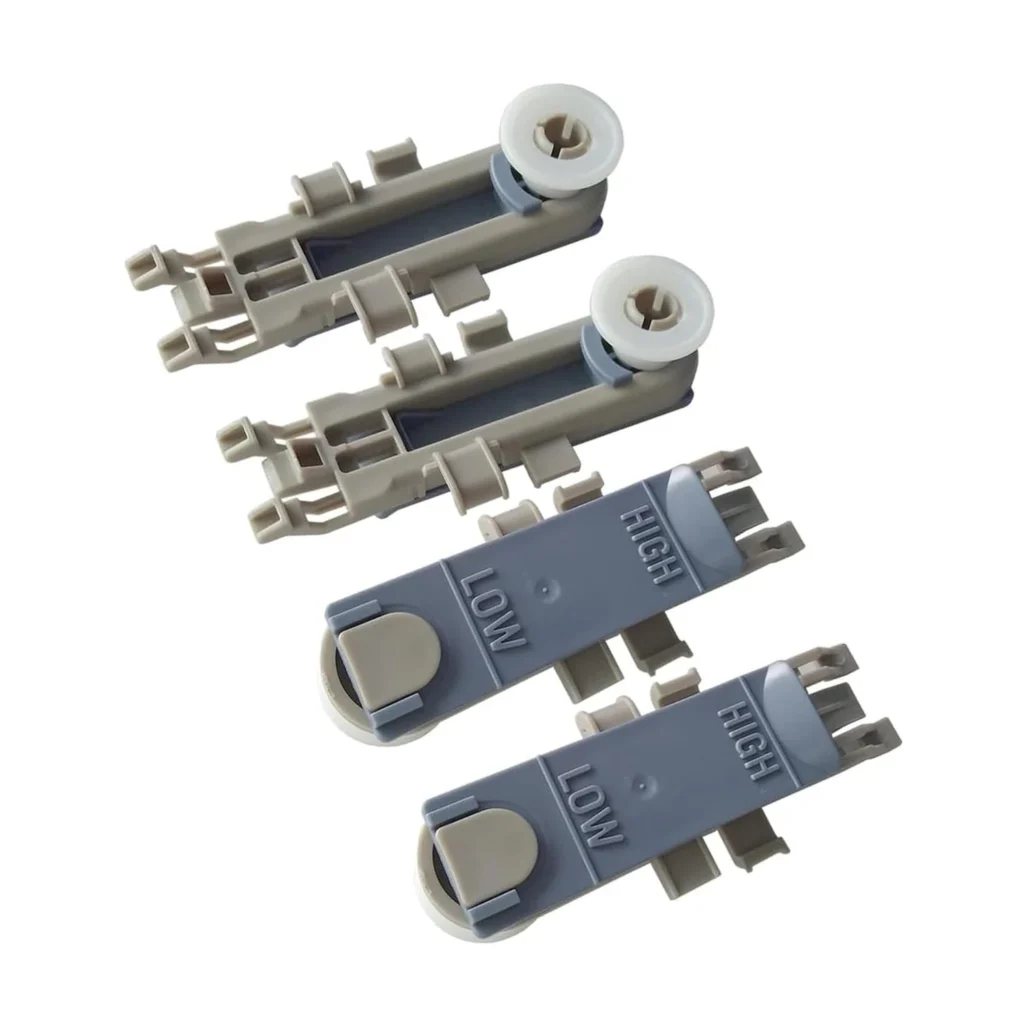
Most dishwasher rack rollers should last 7–10 years, but if you're pulling out your upper rack and it's catching, grinding, or wobbling side to side, you're looking at a typical 3–5 year failure. The part itself costs under $20, but the inconvenience of a stuck rack — or worse, dishes not cleaning properly because the rack isn't sitting level — makes maintenance worth the five minutes it takes.
How Long Should These Rollers Last?
The WP8561996 roller and adjuster assembly is built to handle thousands of rack slides. In normal use across models like the GU2300XTVS0 or DU1014XTXT5, you're looking at 8–12 years if you maintain them. Without maintenance? You'll start hearing grinding around year four, and by year six the wheel housing cracks from built-up mineral deposits forcing the mechanism to bind.
What kills these rollers isn't wear from sliding — it's the calcium, detergent residue, and food particles that cake into the wheel cavity and axle. Once that crud hardens, the roller can't spin freely. The rack drags instead of glides, the adjuster mechanism locks up, and eventually the plastic housing splits from the stress.
Signs It's Wearing Out
Your upper rack will tell you when the rollers need attention. Here's what to watch for:
The Rack Catches or Jerks When You Pull It Out
If you're pulling the upper rack and it's not gliding smoothly — it sticks, jerks forward, or requires more force than it used to — that's mineral buildup in the roller wheels. Pull the rack completely out and spin each roller with your finger. If they don't spin freely or feel gritty, they need cleaning.
Not Cleaning Dishes Properly
When one or more rollers fail, the rack sits crooked or tilts during the wash cycle. Water spray doesn't hit the dishes at the right angle. You'll notice plates on one side of the rack come out clean while the other side still has food residue. That's not a spray arm problem — it's a rack alignment issue caused by worn or seized rollers.
Visible Cracks in the Roller Housing
Look at the white plastic housing where the wheel mounts. Fine cracks mean the part has been operating under stress for too long, usually because the wheel seized and the rack's weight has been forcing the plastic to flex. Once you see cracks, cleaning won't help — you need a replacement.
When to Replace vs Maintain
If the rollers spin freely but feel slightly rough, clean them. If you can spin them at all, they're salvageable. But if the wheel won't turn even when you force it, or if the plastic housing has visible cracks or breaks, don't waste time on maintenance — order WP8561996. The part pops in without tools and costs less than a single restaurant meal for your family.
One user with a 30-year-old dishwasher confirmed the replacement "popped in easily" — this isn't a difficult fix when you actually need a new part.
Frequently Asked Questions
How often should I clean my dishwasher rack rollers?
Every six months is ideal, but at minimum once a year. Pull the upper rack completely out, wipe down each roller with a damp cloth, and spray any visible buildup with white vinegar. Let it sit for 10 minutes, then scrub with an old toothbrush. This takes less time than loading the dishwasher.
Can I use the dishwasher if one roller is broken?
You can, but you shouldn't make it a habit. A broken roller causes the rack to tilt, which affects water spray coverage and can lead to poor cleaning results. More importantly, the remaining rollers now carry extra load and will fail faster. Replace broken rollers within a week or two.
Will cleaning the rollers stop the grinding noise?
If the grinding is coming from mineral buildup preventing the wheel from spinning, yes. If it's coming from a cracked housing or a wheel that's worn through the plastic bearing surface, no — you need the replacement part. To test: pull the rack out, spin each roller. If it spins but grinds, try cleaning. If it doesn't spin at all, order WP8561996.
Element showing wear?
WP8561996 · Replace before it fully fails