
How to Extend Your GE Washer Water Inlet Valve Life — WH23X29553 Maintenance Guide
Always disconnect power and turn off both hot and cold water supply valves before performing any maintenance. Water inlet valves operate under household water pressure (40-80 psi) — improper handling can cause flooding.
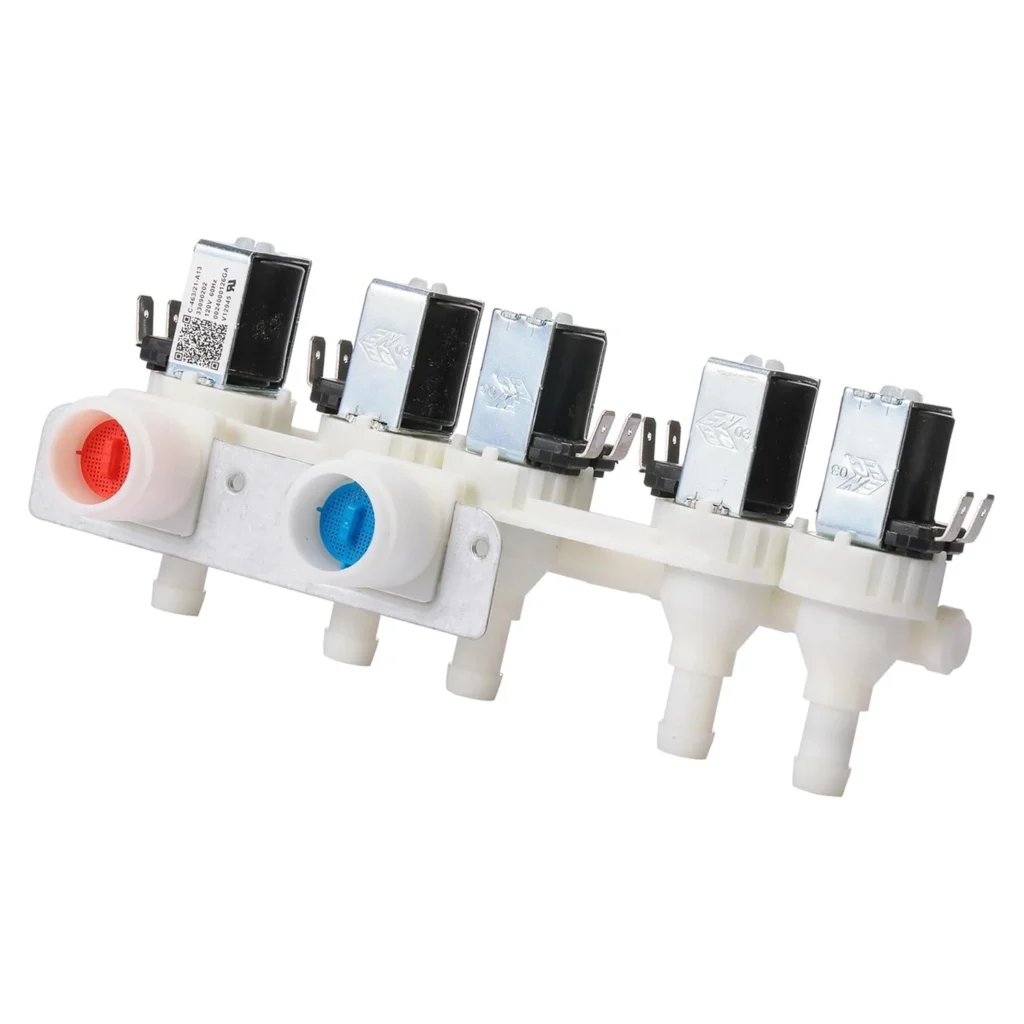
Here's something most GE washer owners don't know: the average water inlet valve fails after 5-7 years, but with proper maintenance, you can push that to 10-12 years. That's an extra $80 and a Saturday morning you don't have to spend on repairs.
The WH23X29553 water inlet valve is the gatekeeper for every drop of water entering your GE front-load washer. It opens, closes, and controls water flow dozens of times per load. Over time, sediment buildup, mineral deposits, and screen blockages turn this $83 part into a failure point. But most of that damage is preventable.
How Long Should Your Water Inlet Valve Last?
Under normal conditions, the WH23X29553 should last 5-7 years. That's roughly 2,000-3,000 wash cycles if you're doing 6-8 loads per week. But there's a catch — your water quality matters more than how often you wash.
Hard water is the silent killer. If you've got mineral-heavy water (anything above 180 ppm), you're looking at significantly shorter valve life. Calcium and magnesium deposits accumulate on the solenoid coils and inside the valve body, restricting water flow and eventually causing complete failure.
With proper maintenance and water conditioning, you can extend that lifespan to 10-12 years. The difference? Regular screen cleaning and addressing water quality issues before they become mechanical problems.
Signs Your Water Inlet Valve Is Wearing Out
The valve doesn't just die overnight. It gives you warnings — you just need to know what to look for.
Slow Fill or Weak Water Flow
When your washer starts taking noticeably longer to fill, that's your first red flag. A healthy WH23X29553 should fill your GFW650SPN or GFW850SPN models in 3-5 minutes on a normal cycle. If you're pushing 8-10 minutes, the valve screens are likely clogged with sediment.
This isn't always the valve's fault. Sometimes it's the inlet screens at the hose connection. Pull those screens and inspect them under good light. Brown or white crusty buildup? That's your problem right there.
Water Continues Running After Cycle Ends
You close the washer door, walk away, and come back to find water trickling into the drum. That's a solenoid failure — the valve isn't closing completely. This happens when mineral deposits interfere with the electromagnetic seal or when the rubber diaphragm inside develops calcium buildup.
Don't ignore this. A valve that won't close properly can flood your laundry room overnight.
No Water Flow at All
Complete failure usually means either the solenoid coils have burned out or sediment has completely blocked the valve ports. On the WH23X29553, both hot and cold solenoids share the same body, so you might lose just hot water first, then cold — or both simultaneously.
Before you replace the valve, check the obvious: Is water actually reaching it? Turn off the machine, disconnect the inlet hoses, and open the supply valves into a bucket. Full pressure? Then it's definitely the valve.
Banging or Hammering Sounds During Fill
Water hammer happens when the solenoids slam shut too fast or when sediment creates turbulence inside the valve body. It sounds like someone's hitting your pipes with a wrench. On GE front-loaders like the GFW655SPV or GFW850SPN series, this can also indicate worn valve seals that aren't cushioning the water pressure changes.
When to Replace vs Maintain
Here's the honest truth: once a water inlet valve fails mechanically, you can't fix it. There are no rebuild kits, no replacement solenoids you can swap in. The WH23X29553 is a sealed unit.
But maintenance can prevent 70% of failures. Replace when:
- The valve leaks from the body (not just connections)
- Solenoids don't respond when powered (test with multimeter — should show 500-1500 ohms)
- Internal mechanical failure causes constant water flow
- Visible cracks in the plastic housing
Maintain when:
- Fill times are getting slower but still functional
- You see sediment in inlet screens but the valve itself works
- You've got hard water and want to prevent problems
- The washer's 3+ years old and you've never checked the valve
Think of it this way: cleaning the screens takes 15 minutes. Replacing the entire valve takes 2 hours and $83. Do the math.
Frequently Asked Questions
How Often Should I Clean the Water Inlet Valve Screens?
Every 6 months if you have city water, every 3 months if you have well water. Well water carries more sediment and mineral content, which clogs screens faster. If you notice any reduction in fill speed, check them immediately rather than waiting for your scheduled maintenance.
Can I Use Vinegar to Clean Mineral Buildup?
Yes, but with caution. You can soak the inlet screens in white vinegar for 30 minutes to dissolve calcium deposits. Don't submerge the entire valve assembly — the solenoid coils and electrical connections can't handle liquid immersion. For the valve body itself, use a damp cloth with vinegar to wipe external buildup, but never soak or spray liquid directly into the electrical components.
Will a Water Softener Extend My Valve's Life?
Absolutely. If your water hardness is above 180 ppm (test it — kits are $10), a whole-house softener or even a point-of-use filter can double your valve's lifespan. The reduced mineral content means less buildup on solenoids and screens, fewer blockages, and better long-term performance. You'll also notice cleaner clothes and less detergent residue. It's one of the best investments for appliance longevity.
Element showing wear?
WH23X29553 · Replace before it fully fails