
How to Extend Your GE Washer Water Inlet Valve Life — Maintenance Guide
Always disconnect power to the washer and turn off both hot and cold water supply valves before servicing the inlet valve. Residual water pressure in the lines can spray when hoses are disconnected.
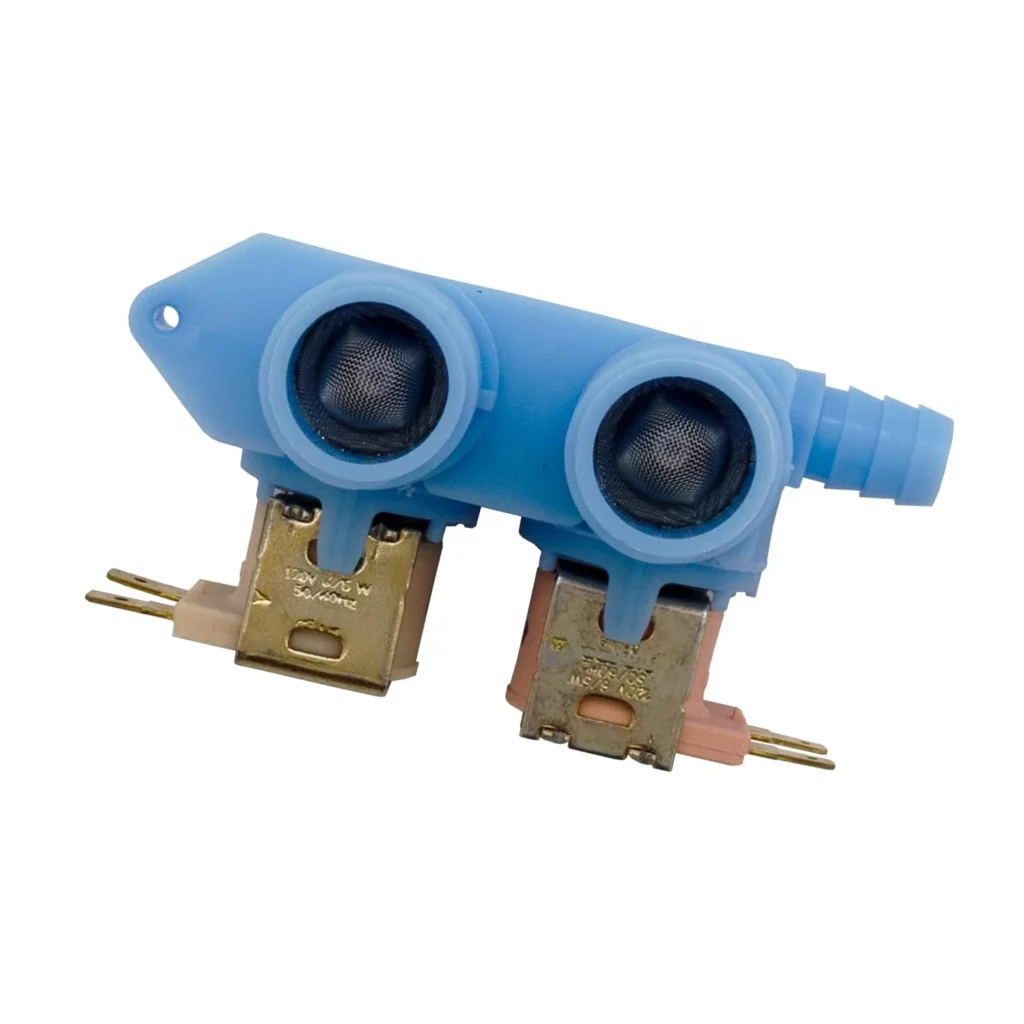
Most water inlet valves fail between 5-8 years, but I've seen dozens last barely 3 years — and the difference usually comes down to water quality and how often you check the screens. The WH13X27314 dual coil valve costs $41.99 to replace, but spending five minutes every few months can double its lifespan.
How Long Should It Last?
A properly maintained water inlet valve should give you 8-10 years of service. But here's what actually happens: sediment builds up in the inlet screens, forcing the solenoid coils to work harder. The increased resistance generates more heat, which degrades the coil windings faster. Eventually the valve either fails to open completely (leaving you with weak or no water flow) or fails to close properly (causing leaks).
Water hardness is the biggest factor. If you've got hard water — and most municipal systems do — you're looking at mineral deposits accumulating on the screens and valve seat. The valve might start showing issues at 4-5 years instead of 8.
Temperature matters too. The WH13X27314 has separate coils for hot and cold water. The hot water coil typically fails first because heat accelerates electrical component degradation. It's why "no hot water" is such a common complaint.
Signs It's Wearing Out
Your washer will tell you when the inlet valve needs attention. You just need to know what to listen for.
Leaking Around the Valve
Small drips during the fill cycle are your first warning. The rubber diaphragm inside starts deteriorating — usually from mineral buildup preventing a complete seal. You'll notice water pooling behind the washer or dampness on the hose connections. Don't ignore this. A slow leak today becomes a floor full of water tomorrow when that diaphragm finally tears.
No Hot or Cold Water Flow
This one's frustrating because the washer seems to be trying. You hear the valve click, the cycle starts, but no water comes in — or only from one temperature. With the WH13X27314 dual coil design, one coil can fail while the other works fine. So you might get cold water but no hot, or vice versa. The machine just sits there humming while nothing happens.
Before you replace the valve, check those inlet screens. Nine times out of ten when someone tells me they've got "no water," it's actually clogged screens, not a dead valve.
Weak Water Flow or Extended Fill Times
The washer takes forever to fill. Could be low water pressure from your house, sure — but if only the washer is slow while your other fixtures work fine, it's the valve. Sediment restricts flow through the valve body itself. The solenoids open fully but water barely trickles through.
Humming or Buzzing During Fill
A healthy valve clicks once and opens. A dying valve hums continuously — that's the solenoid trying to pull the valve open against resistance. Usually means the plunger is sticking from mineral deposits or the coil is starting to fail. This humming wastes electricity and generates heat that accelerates the final failure.
When to Replace vs Maintain
Here's my honest take: inlet valves aren't really repairable. You can't rebuild them like you can a pump. Once the solenoid coils go bad or the internal diaphragm tears, you're replacing the whole assembly.
But — and this is important — probably 40% of the "bad valves" I've seen over the years weren't actually bad. They were just clogged. Someone would've saved $50-100 by cleaning the screens first.
Replace when you've got actual leaking from the valve body itself. Replace when you've cleaned the screens and still get no water flow. Replace when the valve hums constantly even with clean screens and good water pressure.
Maintain when water flow is getting weaker. Maintain when fill times are increasing. Maintain every 6 months if you've got hard water, annually if you don't.
The WH13X27314 works across GE, Hotpoint, and Kenmore models — everything from the GUD24ESSM0WW to the GUD27GSPM1DG. That's a lot of machines depending on one $42 part.
Frequently Asked Questions
How often should I clean the inlet valve screens?
Every 6 months if you have hard water or well water, once a year for regular city water. Takes maybe 10 minutes total. Turn off the water supply, unscrew the hoses, pull out the little mesh screens with needle-nose pliers, rinse them under the faucet, and reinstall. You'll be shocked how much crud collects in there. I've seen screens completely blocked with rust flakes and sediment.
Can I use a water softener to protect my inlet valve?
Yes, and it helps tremendously. A whole-house water softener reduces mineral buildup not just in your washer valve but in every appliance. If a softener isn't in the budget, at least install an inline sediment filter on the cold water line feeding your washer. Ten-dollar filter, changes once a year, catches most of the junk before it reaches the valve screens.
Why does only hot water fail first on dual coil valves?
Heat breaks down electrical insulation faster. The hot water solenoid operates at the same voltage as the cold, but it's working with 120-140°F water constantly flowing past it. That thermal stress degrades the coil windings. Plus, hot water carries dissolved minerals that precipitate out as the water cools inside the valve — leaving deposits that cold water doesn't. It's why the hot water coil on the WH13X27314 typically gives out 1-2 years before the cold.
Element showing wear?
WH13X27314 · Replace before it fully fails