
How to Extend Your GE Triple Water Inlet Valve Life — WH13X10037 Maintenance Guide
Always disconnect both power and water sources before servicing the inlet valve. Residual water pressure can cause unexpected spray.
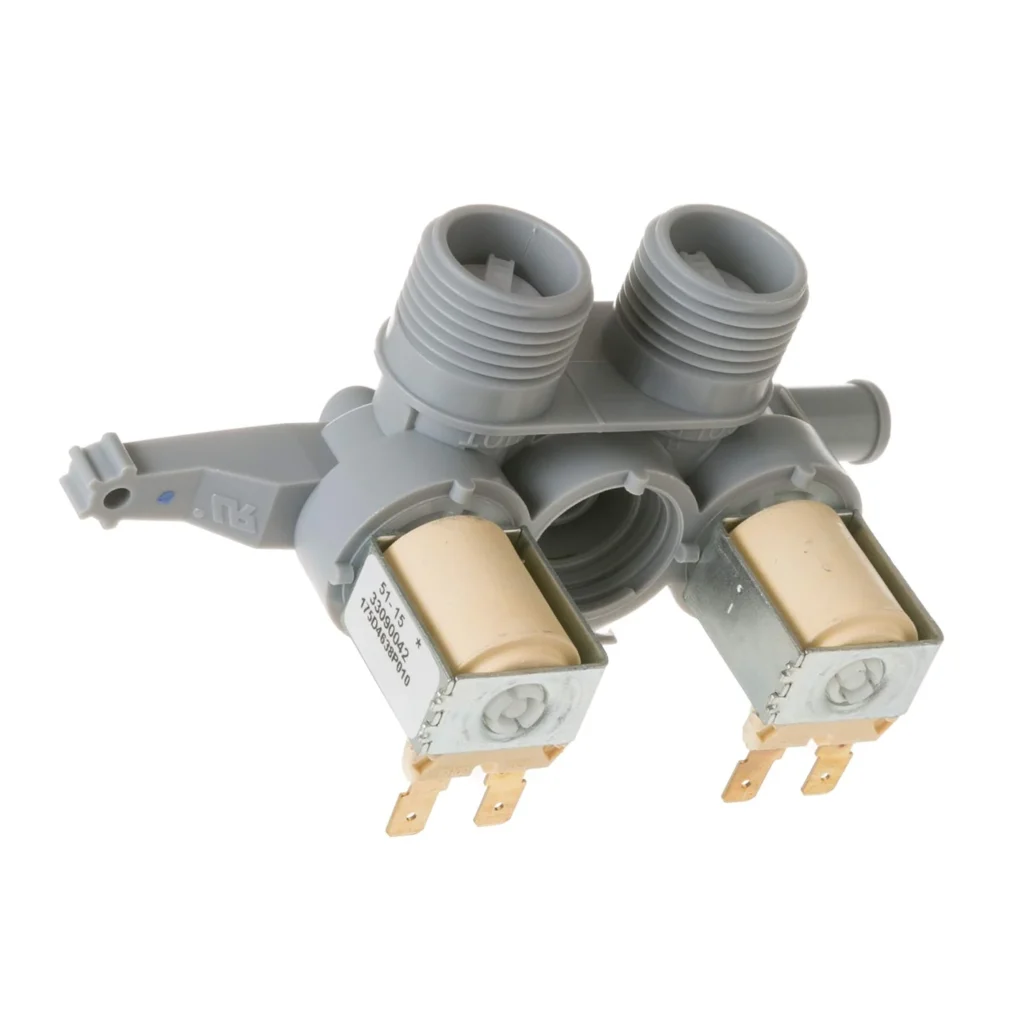
Most triple water inlet valves fail between 5-8 years, but I've seen them last 15+ years with proper care. The WH13X10037 valve—which controls hot, warm, and cold water flow in models like the GTWN4250M1WS and GCWN4950D2WS—usually dies from hard water buildup or electrical burnout. Let's keep yours running longer.
How Long Should It Last?
Under normal conditions, the WH13X10037 should give you 7-10 years. That's based on average use—about 8 loads per week with moderately hard water. Here's what shortens that lifespan:
- Hard water: Calcium deposits clog the screens and valve seats within 3-5 years
- High water pressure: Over 80 PSI wears out the solenoids prematurely
- Power surges: Electrical spikes damage the coils
- Sediment: Rust and debris from old pipes destroy the seals
With preventive care, you can stretch this to 12-15 years. I've replaced valves in WPRE8150K2WT units that were still working fine after 14 years because the owner filtered their water and cleaned the screens yearly.
Signs It's Wearing Out
The WH13X10037 doesn't fail overnight. It gives you warning signs, and catching them early means you can clean the valve instead of replacing it.
Leaking Water Behind the Washer
This is the most common symptom. You'll notice water pooling behind your GTWN5050M0WS or GRWN5150MWS, especially during the fill cycle. The leak usually comes from:
- Worn rubber gaskets where the inlet hoses connect
- Cracked valve housing from mineral buildup expanding and contracting
- Loose connections vibrating apart over time
Check the connections first—they're often just loose. If they're tight and still leaking, the valve body itself has likely cracked from sediment pressure.
Washer Continues Filling After It's Full
The valve should close completely when the water level sensor signals it's full. If yours doesn't stop, one or more of the three solenoids has failed in the open position. This happens when sediment prevents the valve disc from seating properly, or when the solenoid coil burns out partially.
You'll hear water running even after the wash cycle starts. Your utility bills will spike too—I've seen customers waste 50+ gallons per load before they caught this.
Slow Fill or No Fill at All
When your GCWN5050M1WS takes 10+ minutes to fill, or doesn't fill at all, the inlet screens are probably clogged. These tiny mesh filters catch sediment before it enters the valve. Over time, rust particles and mineral deposits block 80-90% of the openings.
Sometimes only hot or cold water fills slowly while the other works fine. That tells you exactly which solenoid circuit is affected.
When to Replace vs Maintain
Here's my honest assessment framework:
Clean and maintain if:
- The valve is less than 6 years old
- Leaking is minor and only at hose connections
- Slow fill improves after cleaning inlet screens
- The valve body has no visible cracks
Replace the WH13X10037 if:
- Water leaks from the valve body itself
- It continues filling uncontrollably (stuck solenoid)
- Cleaning screens doesn't improve fill time
- You see white calcium deposits crusted on the valve body
- The valve is 10+ years old—it's on borrowed time anyway
One more thing: if you're already paying a tech to diagnose it, just replace the valve. The part costs $73.99, and the labor to clean it thoroughly is almost the same as replacement labor. Save maintenance for DIY situations.
Frequently Asked Questions
How often should I clean the inlet valve screens?
Every 6-12 months, depending on your water quality. If you have city water with good pressure, annual cleaning is fine. Well water or municipal systems with rusty pipes need attention every 6 months. Takes 10 minutes—disconnect power and water, unscrew the inlet hoses, pull out the small mesh screens, rinse under tap water, and reinstall. Don't skip this. It's the single most important maintenance task for extending valve life.
Can I use a water softener to protect my inlet valve?
Absolutely, and I recommend it. A whole-house water softener removes the calcium and magnesium that cause 80% of inlet valve failures. If that's not feasible, install an inline sediment filter on each washing machine supply line. Get 5-micron filters—they catch particles before they reach your WH13X10037. Replace them every 6 months, or when water pressure drops noticeably.
What water pressure is too high for this valve?
The WH13X10037 is rated for up to 120 PSI, but optimal pressure is 40-60 PSI. Above 80 PSI, you're putting unnecessary stress on the solenoids and seals. Install a pressure regulator on your main water line if your pressure exceeds 70 PSI—your plumber can measure this. High pressure also causes the "water hammer" sound that eventually cracks valve housings in models like the GPRE8350K3WT.
Element showing wear?
WH13X10037 · Replace before it fully fails