
How to Extend Your GE Washer Door Lock Life — Maintenance Guide
Always unplug the washer before inspecting the door lock area. Never force the door open when locked — use the emergency release if needed.
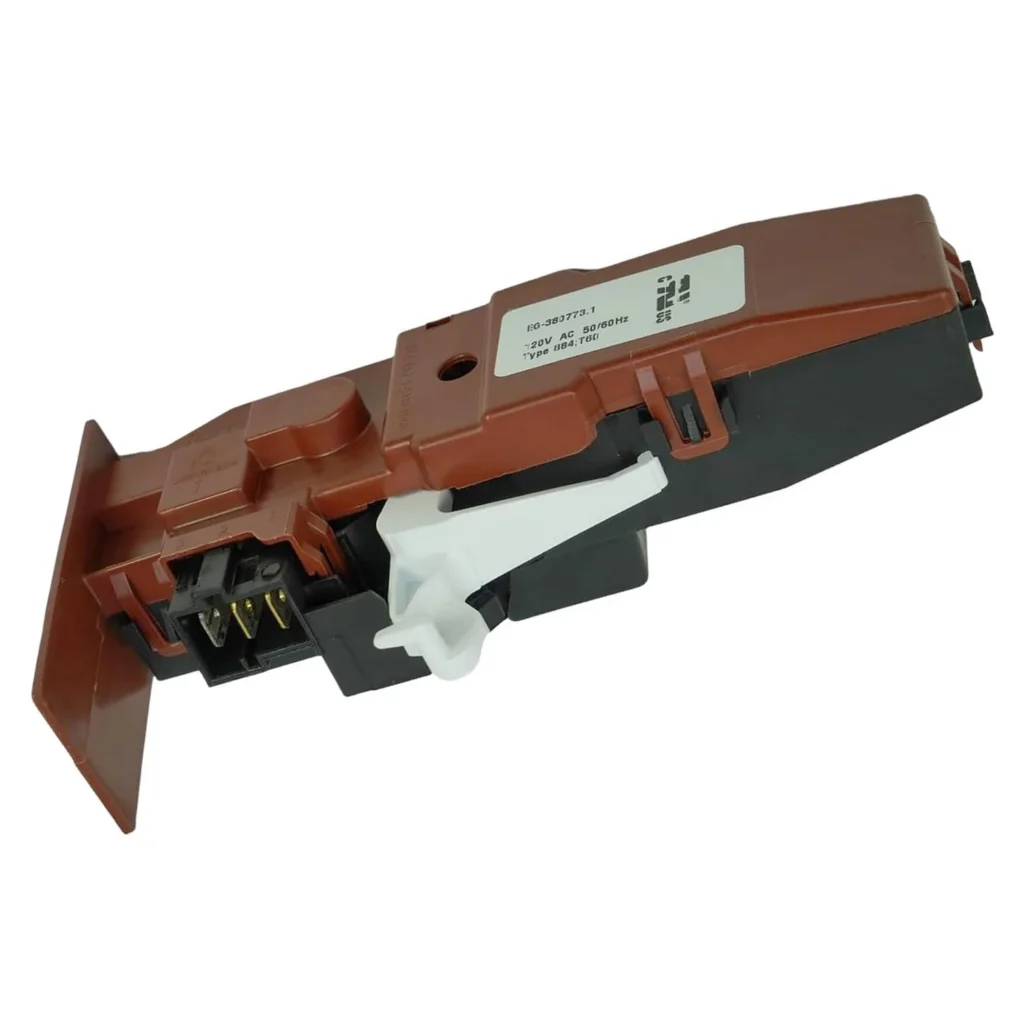
Most GE front-load washer door locks fail between years 5 and 8. But here's what's interesting: when I pull service records from machines that made it past 10 years with the original lock, they all have one thing in common — nobody slammed the door.
That WH10X20821 door lock assembly in your GE or Hotpoint washer (fits models like GFWN1100H0WW, GFW450SSM0WW, and dozens of others) contains a motorized latch mechanism, a wax motor actuator, and a safety switch that verifies the door is sealed before the wash cycle starts. It's doing serious work every single load.
How Long Should It Last?
Under normal use, expect 7-10 years from this assembly. The wax motor inside expands when heated by an electrical current, pushing the lock mechanism into place. That expansion-contraction cycle happens every wash, anywhere from 250 to 400 times per year in an average household.
What shortens its life:
- Door slamming — the impact misaligns the striker plate and stresses the plastic housing
- Detergent residue buildup — gets into the latch mechanism, creates friction
- Forcing the door open mid-cycle — overrides the lock while it's engaged
- Water leaks from the door gasket — corrodes electrical contacts inside the assembly
I've seen units fail at 3 years in homes with kids who yank the door handle before the lock releases. I've also seen original locks still working at 12 years in machines where the owner waits for the click before pulling.
Signs It's Wearing Out
The lock doesn't fail all at once. You'll get warnings.
Door Won't Lock — Cycle Won't Start
You close the door, press start, and nothing happens. The control panel might show a door lock error code (often dL or door). The lock tries to engage — you might hear a faint buzzing or clicking — but it can't complete the lock sequence. This happens when the wax motor weakens or the mechanical latch gets sticky from detergent buildup.
Door Stays Locked After Cycle Ends
The wash finishes, but the door won't unlock for 5, 10, sometimes 30 minutes. You're standing there with wet laundry trapped inside. This indicates the wax motor isn't cooling and contracting properly, or the electrical contacts are corroded and not sending the unlock signal.
Intermittent Operation
Some days it works fine. Other days you have to close the door three times before it locks. This is the assembly starting to fail — internal components are worn but not completely gone yet. Don't ignore this phase. It's your window to order the replacement part before you're stuck mid-laundry day with a locked door full of soaked towels.
Simple Maintenance That Actually Works
You can't service the internal wax motor or rebuild the lock mechanism — it's a sealed assembly. But you can eliminate the external factors that kill it early.
Clean the striker plate monthly. That metal piece on the washer body that the door lock catches? It collects detergent film and fabric softener residue. Wipe it down with a damp cloth. If there's buildup, use white vinegar on a towel. Takes 30 seconds.
Check the door gasket. If the rubber seal is torn or loose, water drips onto the lock assembly during fills. Feel around the entire gasket — it should be firmly seated in its groove with no gaps. Replace it if it's deteriorating. A $40 gasket protects a $124 lock.
Never force the door. When the cycle ends, wait for the audible click before pulling the handle. The lock needs 30-60 seconds to disengage after the control signals it. Forcing it bends the internal latch arm.
Run a cleaning cycle monthly. Even if your washer seems clean, run the tub clean cycle (or a hot empty load with two cups of vinegar). This prevents detergent residue from building up around the door area and migrating into the lock mechanism.
When to Replace vs Maintain
If the lock still works but occasionally acts up — replace it. These assemblies don't get better with age. Once the wax motor starts showing inconsistent behavior, it's only going downhill.
If you're getting door lock errors more than once a month, order the part. Don't wait until it fails completely on a Sunday evening when you need to wash work clothes for Monday.
If the door won't unlock and you need immediate access, there's usually an emergency release — check your washer's manual. But that's a temporary fix. The lock itself needs replacement.
The WH10X20821 fits over 50 GE and Hotpoint models (GFWN1100H0WW, GFWN1300J0WW, GFW450SPK0DG, and many others). It's a direct replacement — you're not trying to adapt a generic part. When it fails, you replace it. But with proper care, you're looking at 10+ years before that happens.
Frequently Asked Questions
Can I lubricate the door lock mechanism to make it last longer?
No. The lock is a sealed electrical/mechanical assembly. Adding lubricant attracts lint and detergent residue, which makes things worse. The internal wax motor doesn't need lubrication — it expands and contracts through thermal action, not mechanical friction. Keep the external striker plate clean and dry, but don't try to access the internals.
Why does my door lock sometimes take longer to release after the cycle?
The wax motor inside needs to cool down before it contracts and releases the latch. If your laundry room is hot (over 80°F), or you're running back-to-back hot water loads, the assembly stays warm longer. This is normal — just give it time. If it's taking more than 5 minutes consistently, the lock is wearing out and you should plan for replacement soon.
Will using too much detergent damage the door lock?
Indirectly, yes. Excess detergent creates foam that can seep past the door gasket during the wash cycle. That foam carries detergent residue directly onto the lock assembly and striker plate. Over time, this buildup interferes with the latch mechanism and corrodes electrical contacts. Use HE detergent in the amount specified for your load size — usually way less than you think.
Element showing wear?
WH10X20821 · Replace before it fully fails