
How to Extend Your GE Washer Lid Lock Life — WH01X27954 Maintenance Guide
Always unplug washer before cleaning lid lock area. Never force lid open when locked during cycle.
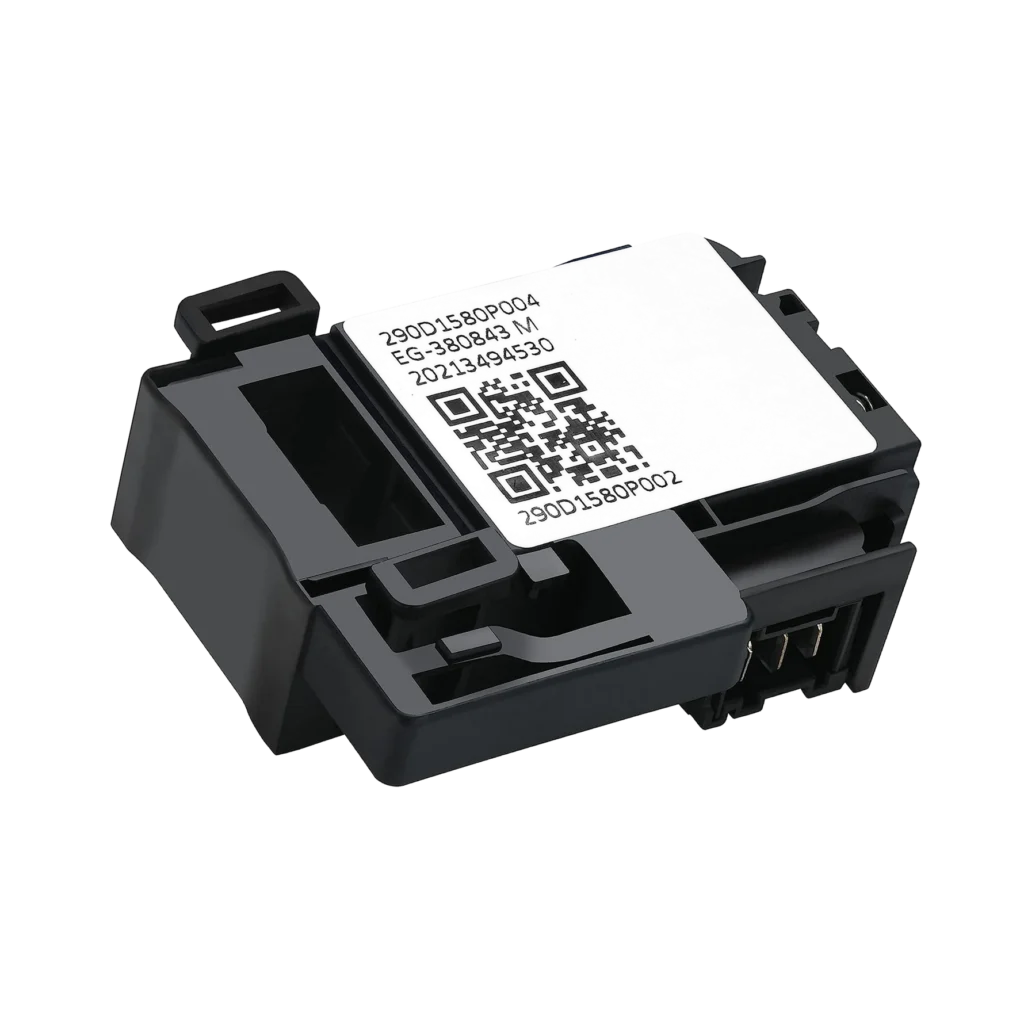
Here's something most people don't know: the lid lock switch on your GE top-load washer (part WH01X27954) should last 7-10 years, but most homeowners replace them every 4-5 years. The difference? How you treat that lid.
I've replaced hundreds of these switches on models like the GTW460ASJ2WW and GTW335ASN2WW, and the pattern is always the same — people slam the lid, ignore weird clicking sounds, and wonder why their washer suddenly won't start mid-cycle. Let's change that.
How Long Should Your Lid Lock Last?
The WH01X27954 lid lock assembly contains both mechanical and electrical components. Under normal use, you're looking at:
- Mechanical latch mechanism: 50,000-75,000 cycles (roughly 8-10 years for average households)
- Electronic switch contacts: 100,000+ cycles when kept clean
- Wiring harness connections: 10-15 years if moisture-protected
But here's what kills them early: detergent residue buildup, hard water deposits, and physical stress from improper lid closing. I've seen three-year-old switches fail because someone consistently pushed down on the lid while it was trying to lock electronically.
Signs Your Lid Lock Is Wearing Out
Your washer will tell you when the WH01X27954 is struggling. Don't ignore these warnings:
Inconsistent Locking During Spin Cycle
The lid locks, then unlocks, then locks again. You'll hear multiple clicking sounds before the spin cycle starts. This means the switch contacts are dirty or the mechanical latch is wearing unevenly. On models like the GTW330ASK3WW, this often shows up after about 5 years of use.
Delayed Response When Closing the Lid
You close the lid and wait... and wait. The lock finally engages 3-5 seconds later instead of immediately. The internal spring mechanism is weakening or there's resistance in the latch pathway. This delay will get progressively longer until it fails completely.
Lid Locked Error Code With Lid Actually Open
Your control panel says the lid is locked when it's clearly not, or vice versa. The switch is sending false signals to the control board. This electrical failure usually means the switch contacts have corroded or the wiring harness connection has moisture intrusion.
Visible Detergent Buildup Around Lock Area
White crusty residue or sticky film around where the lid closes. This isn't just cosmetic — it's actively gumming up the mechanical parts and creating resistance that wears out the motor and latch faster.
Monthly Maintenance That Actually Works
You don't need special tools. Just consistency.
Clean the contact surfaces: Wipe down the entire lid lock area with a damp microfiber cloth. Get into the groove where the lid striker makes contact. If there's buildup, use a 50/50 mix of white vinegar and water. Don't spray directly on the lock — spray your cloth instead.
Check the alignment: Open and close the lid slowly while watching the latch engage. It should slide smoothly into place with no grinding or catching. If you feel resistance, the mounting screws may have loosened (common on the GTW460AMJ series after transport or floor vibration).
Listen for changes: The lock makes a distinct two-part sound — a soft mechanical click followed by an electronic engagement tone. If that pattern changes, investigate immediately.
When to Replace vs Maintain
Be honest with yourself here. Maintenance extends life, but it doesn't resurrect dead components.
Keep maintaining if: The lock works consistently, just needs occasional cleaning. You hear normal sounds with no grinding. The lid closes smoothly without force.
Replace immediately if: The lock doesn't engage at all. You smell burning plastic. The latch mechanism is visibly cracked or broken. The washer displays a lid lock error code and won't run even after cleaning.
Here's the test I use: run an empty spin cycle and watch the lock through the entire process. If it fails to lock even once, or if it unlocks mid-spin, you're beyond maintenance territory. Order the WH01X27954 now rather than later — waiting just risks damaging your control board.
The Hard Water Problem Nobody Mentions
If you've got hard water, you're fighting mineral deposits constantly. They build up in the tiny crevices of the lock mechanism and create friction that wears down the plastic components. Run a monthly descaling cycle using citric acid or a commercial washer cleaner, and your lid lock will outlast its expected lifespan.
Frequently Asked Questions
Can I lubricate my GE washer lid lock to make it last longer?
No. Don't put oil, WD-40, or any lubricant on the WH01X27954 assembly. It'll attract lint and detergent residue, creating a sticky mess that actually accelerates wear. The lock is designed to operate dry. If it needs lubrication to work, it's already worn out and needs replacement.
How do I know if it's the lid lock or the control board causing my error code?
Disconnect power to the washer. Manually check if the lid lock mechanism moves freely. If it's stuck or grinding, that's your culprit. If it moves smoothly but still throws an error code, you're likely dealing with a control board communication issue. The lid lock fails mechanically way more often than electronically on models like the GTW220ACK5WW.
Will using heavy-duty cycles wear out my lid lock faster?
Not the cycle itself, but the higher spin speeds create more vibration. Make sure your washer is level and all four feet are firmly planted. Excessive vibration over time can loosen the lid lock mounting screws or crack the plastic housing. Check levelness every six months if you run heavy-duty cycles regularly.
Element showing wear?
WH01X27954 · Replace before it fully fails