
How to Extend Your GE Dryer Thermostat Life — WE4M181 Maintenance Guide
Always disconnect power at the breaker before servicing your dryer. Never bypass or jumper a safety thermostat.
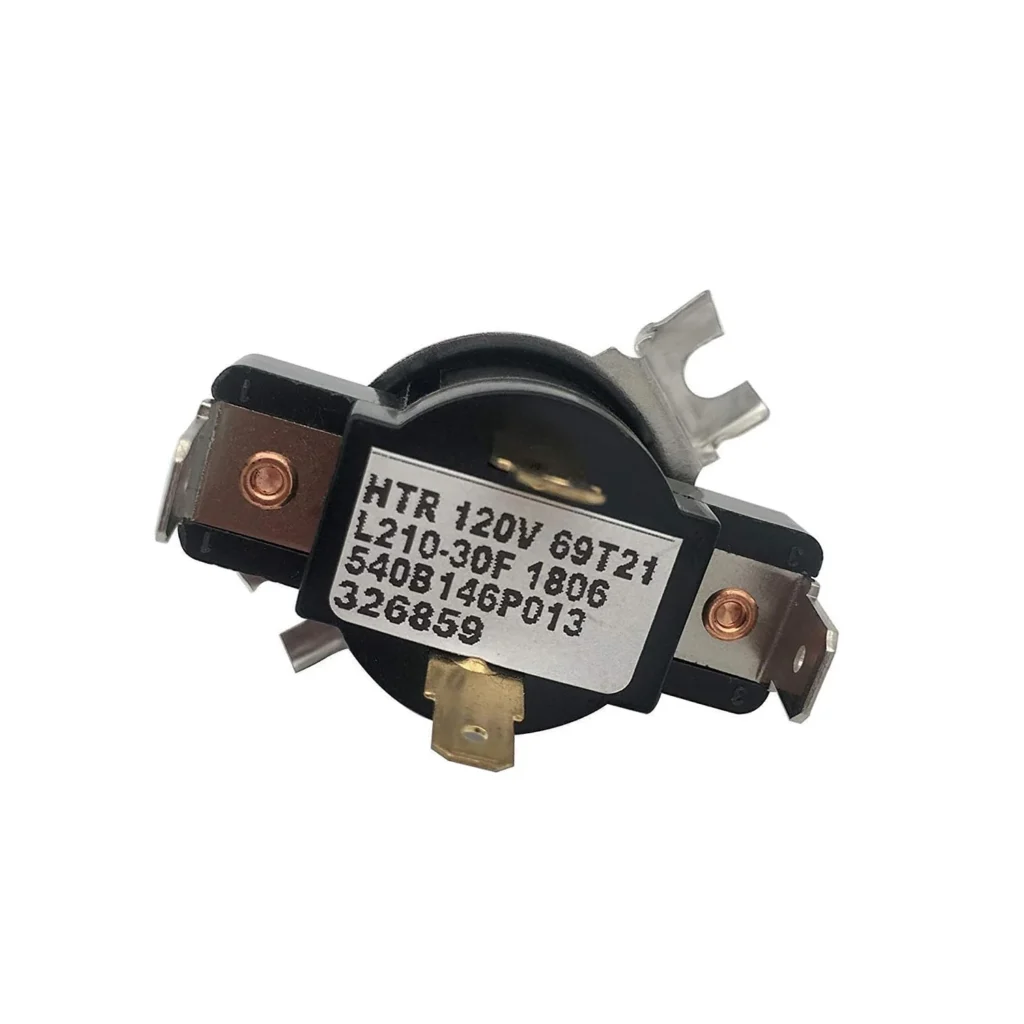
Here's something most people don't know: the WE4M181 cycling thermostat in your GE, Hotpoint, or Kenmore dryer should last 8–12 years. But most fail around year 5. The difference? How you use your dryer and whether you're paying attention to early warning signs.
This 4-wire cycling thermostat (also replaces AP2044414, WE4M245, and WE04M0181) regulates drum temperature during the dry cycle. When it fails, you'll either get clothes that come out scorching hot or a dryer that tumbles cold air for 90 minutes. Neither is fun.
How Long Should It Last?
Under normal use — that's 6–8 loads per week with a clean lint trap and proper venting — the WE4M181 typically lasts 8–12 years. But here's what shortens that lifespan:
- Restricted airflow — When your vent is clogged or kinked, the thermostat cycles more frequently, wearing out the contacts faster
- Running too-large loads — Overloading forces longer dry times and more heat cycling
- Lint buildup inside the cabinet — Even if you clean the trap, lint accumulates around the thermostat housing
- Extended high-heat cycles — Constantly using "high" or "sanitize" settings stresses the component
With proper maintenance, you can push that lifespan to 12–15 years. That's 3–5 extra years from a part that costs $35.99.
Signs It's Wearing Out
The WE4M181 doesn't fail overnight. It gives you warning signs, usually for weeks before it quits completely. Here's what to watch for:
Clothes Coming Out Too Hot
This is the classic early warning. When the thermostat contacts start sticking, they don't open when they should. The heating element stays on longer than necessary. Your towels come out so hot you can't touch them immediately. Cotton shirts feel stiff and over-dried. This is your thermostat telling you it's on its way out.
Don't ignore this. An overheating dryer can damage fabrics, waste energy, and — in extreme cases — create a fire hazard.
Not Heating At All
The opposite problem, but just as common. When the contacts fail in the open position, the circuit breaks. No heat reaches the drum. Your dryer runs its full cycle, tumbling clothes in room-temperature air. You open the door 60 minutes later to damp, cold laundry.
Before you order the part, check the obvious stuff first: make sure your breaker didn't trip, and verify you're not accidentally running on "air fluff." But if the heating element tests good and you're still getting cold air, it's usually this thermostat.
Inconsistent Drying Times
This one's sneaky. The thermostat works... sort of. Some loads dry normally. Others take twice as long. The sensor's cycling erratically because the contacts are corroding or the calibration is drifting. It's like a car that starts fine on Monday but sputters on Tuesday — you know something's wrong, you just can't predict when it'll quit completely.
When to Replace vs Maintain
Here's the honest truth: once the WE4M181 starts acting up, maintenance won't fix it. This isn't a part you can clean or adjust. When the bimetal contacts wear out or the calibration drifts, you're looking at replacement.
But — and this is important — proper maintenance prevents premature failure. You're not maintaining the thermostat itself. You're maintaining the environment around it.
Replace when you notice:
- Consistent overheating or no heat at all
- Dryer shuts off after just a few minutes
- Clothes take 2–3 cycles to fully dry
- Visible burn marks or melted wire connectors
The WE4M181 fits dozens of GE, Hotpoint, RCA, and Kenmore models — including GTX18GSSJ1WW, HTDX100GD4WW, GTDX400ED4WS, and many others. If you've got a model made between 2005–2020, there's a good chance this is your part.
Frequently Asked Questions
Can I test the thermostat before replacing it?
Yes, but you'll need a multimeter. Disconnect power, remove the thermostat from the blower housing, and test for continuity. At room temperature, you should read near-zero ohms (closed circuit). When you heat it gently with a hair dryer, it should open (infinite ohms). If it stays closed when hot or open when cold, it's failed. That said, for a $35.99 part, many people just swap it rather than troubleshoot.
Why does my dryer overheat on some loads but not others?
Probably lint buildup combined with a thermostat that's starting to fail. Heavy loads (like towels or jeans) restrict airflow more than light loads (like t-shirts). When airflow drops, heat builds up faster, and a marginal thermostat can't keep up. Clean your vent system completely — including the vent hood outside — and see if the problem persists. If it does, replace the thermostat.
How long does it take to replace the WE4M181?
For most people, 20–30 minutes. You'll need to pull the dryer away from the wall, remove the front or top panel (depends on your model), disconnect the old thermostat's four wires, and connect the new one. The hardest part is usually accessing the blower housing. No special tools required — just a screwdriver and maybe a 1/4" nut driver. There are plenty of model-specific videos on YouTube if you search "[your model number] thermostat replacement."
Element showing wear?
WE4M181 · Replace before it fully fails