
How to Extend Your GE Dryer Drum Bearing Life — WE1M1067 Maintenance Guide
Always unplug the dryer before inspection or maintenance. Never attempt repairs while the appliance is connected to power.
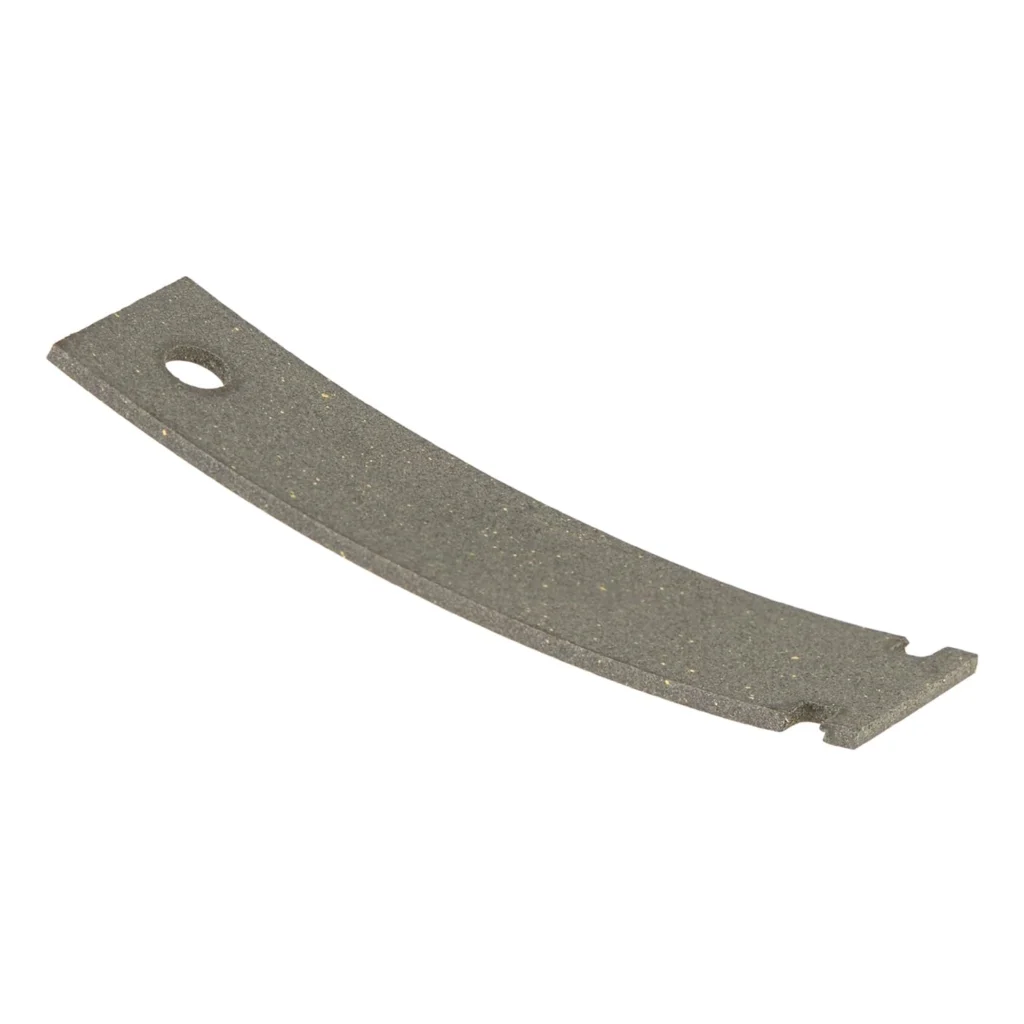
Most GE dryer drum bearings like the WE1M1067 should last 10–15 years, but in real-world use, they often fail after just 6–8 years. The difference? How you load your dryer and whether you catch the early warning signs before the bearing grinds itself to death.
This green felt-backed bearing slide sits at the front of your drum, supporting the weight of wet clothes as they tumble. When it wears out, you'll hear it. When it fails completely, your drum stops spinning and you're looking at marks on your clothes—or worse, a repair bill that makes you wish you'd paid attention sooner.
How Long Should It Last?
The WE1M1067 drum bearing is designed to handle about 3,000–4,000 drying cycles under normal conditions. That's roughly:
- 8–10 years for average households (1 load/day)
- 5–7 years for larger families (2–3 loads/day)
- 3–5 years in high-use scenarios or with consistently overloaded drums
What kills these bearings early? Three things: overloading, running the dryer with heavy wet items (like soaking towels straight from the washer), and ignoring the squealing sound that tells you the felt backing is already gone.
The felt surface on the WE1M1067 provides a slippery interface between the drum and the bearing surface. Once that felt wears through, you've got metal-on-metal contact—and that's when the noise gets bad and the damage accelerates.
Signs It's Wearing Out
Don't wait until your dryer sounds like a cement mixer. Here's what to watch for on models like the GTDP490ED0WS, DBVH512EF0WW, or DBXR463ED1WW:
Squealing or Grinding Noise During Operation
This is your first warning. A healthy drum bearing runs almost silent—you should hear the tumbling clothes, not the bearing itself. If you're hearing a high-pitched squeal that gets worse as the drum speeds up, the felt backing is wearing thin or already gone.
The sound usually starts faint and gets progressively louder over weeks or months. Some people describe it as a "squeaking" sound, others say it's more of a grinding. Either way, it means the bearing surface is making direct contact with the drum.
Visible Marks or Streaks on Clothes
When the bearing wears unevenly or develops rough spots, it can leave gray or black marks on your laundry. These aren't burn marks—they're transfer marks from the bearing material itself or from metal dust created by the wear.
Check light-colored items first. If you're seeing unexplained streaks or smudges that weren't there before the wash, pull out the lint screen and run the dryer empty while you listen carefully. The bearing is likely the culprit.
Drum Not Spinning Freely or Stopping Mid-Cycle
In extreme cases, a completely failed bearing can create enough friction to stop the drum from spinning. The motor's still running, but the drum won't turn—or it turns very slowly and stops.
Before it gets this bad, you'll usually notice the drum doesn't spin freely when you rotate it by hand with the dryer off. It should turn easily with minimal resistance. If it feels sticky or catches at certain points, the bearing is shot.
Simple Habits That Add Years to Bearing Life
You can't prevent bearing wear entirely—it's a friction surface that's designed to wear out eventually. But you can slow it down considerably:
Don't overload the drum. Running oversized loads means more weight pressing on that bearing surface with every revolution. If you have to force the door closed, it's too much.
Spin out heavy items first. Running an extra spin cycle on towels or jeans before transferring them to the dryer means less weight for the bearing to support. It also saves energy.
Keep the drum clean. Fabric softener residue and lint buildup can accumulate where the drum meets the bearing, creating additional friction. Wipe down the drum interior every few months with a damp cloth.
Address noise immediately. That first squeal is your chance to replace the bearing before it damages the drum itself. Ignore it for six months, and you might be looking at a scored drum bulkhead that requires a much bigger repair.
When to Replace vs Maintain
Here's the honest truth: once a drum bearing starts making noise, you can't "maintain" your way out of it. The felt is already compromised. You're looking at replacement.
The WE1M1067 costs $9.99. The repair takes about 45 minutes if you're reasonably handy. Waiting until the bearing fails completely can mean:
- Damage to the drum bulkhead (scored metal that can't be fixed)
- A seized drum that requires forcing and can crack plastic components
- A service call that starts at $150 before parts
If you're hearing noise, order the part now. If your dryer is 7+ years old and you've never replaced this bearing, consider ordering one to have on hand—because it's going to need it soon.
One customer put it simply: "Perfect fit. Dryer is working. Moms happy everybody's happy." That's what replacing this part before total failure looks like. Don't wait for the drama.
Frequently Asked Questions
How often should I replace the drum bearing on my GE dryer?
There's no set maintenance schedule—you replace it when it fails. Most bearings last 6–10 years depending on use patterns. Listen for squealing or grinding sounds, which indicate the felt backing has worn through. Replacing it at the first sign of noise prevents secondary damage to the drum and bulkhead.
Can I just lubricate the bearing instead of replacing it?
No. The WE1M1067 uses a felt backing that's designed to run dry against the drum surface. Adding lubricant will attract lint and debris, creating a grinding paste that accelerates wear. Once the felt is worn, replacement is the only fix. Don't waste time with lubricants—they'll make it worse.
Will a worn drum bearing damage other parts of my dryer?
Yes, if you ignore it long enough. A failed bearing creates metal-on-metal contact that can score the drum bulkhead—a surface that's much harder to replace. It can also put extra strain on the motor and belt. The $9.99 bearing is cheap insurance against a much bigger repair down the road.
Element showing wear?
WE1M1067 · Replace before it fully fails