
How to Extend Your GE Washer Control Knob Life — Maintenance Guide
Never force the control knob past its mechanical stops — you'll snap the internal clip tabs. Always pull the knob straight off when removing; twisting it off can damage the timer shaft.
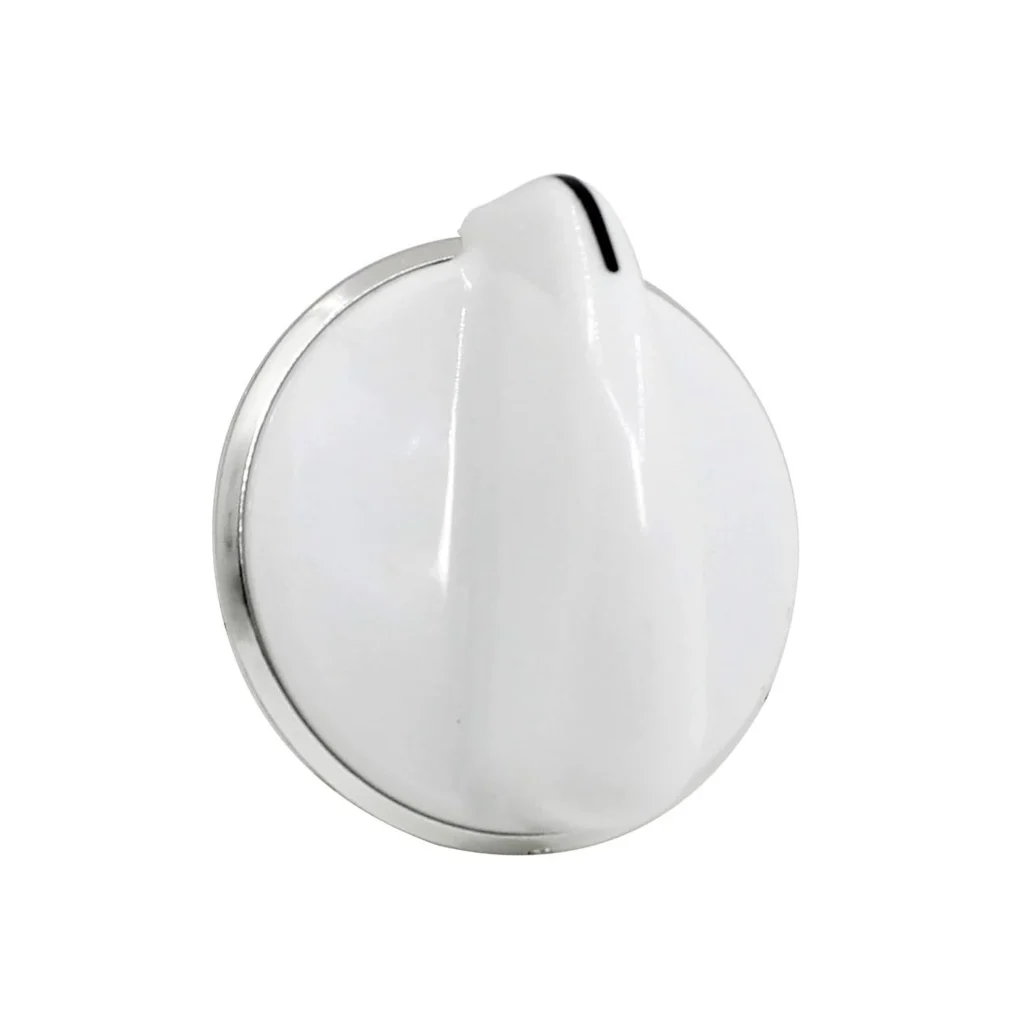
The average washer control knob should last 8-10 years. Most fail around year 5. Why? Because a tiny plastic clip inside cracks from repeated twisting, and suddenly your GTDP180ED0WW won't start even though everything else works fine.
The WE01X20378 control knob assembly isn't just a knob — it's a knob with an integrated clip system that grips the timer shaft. When that clip wears out or the knob body cracks, you'll turn it and nothing happens. The timer doesn't advance, water doesn't flow, and your washer sits there doing absolutely nothing.
How Long Should It Last?
Under normal use, this control knob should give you 8-10 years. But here's what actually affects its lifespan:
- How hard you twist it: Forcing the knob past its stop points stresses the internal clip. You'll feel resistance at the end of rotation — that's intentional. Don't muscle through it.
- Wet hands: Water seeping into the knob body weakens the plastic over time. It's not waterproof, despite living on a washing machine.
- Detergent residue: That sticky film builds up on the shaft, making the knob harder to turn. You compensate by gripping harder, which accelerates wear.
- Temperature swings: Laundry rooms get hot and humid. Plastic expands and contracts, and over years, micro-cracks develop.
If you're gentle and keep it clean, you can stretch that to 12-15 years. Most people get 5-7 because they treat it like a car ignition.
Signs It's Wearing Out
The knob doesn't fail overnight. It gives you warnings. Here's what to watch for:
Won't Start When You Turn It
You twist the knob to the start position, pull it out if needed, and... nothing. The timer doesn't click, water doesn't fill, the machine is silent. This is the #1 symptom of a failing control knob. The internal clip has worn down and can't grip the timer shaft anymore. Sometimes it'll work if you wiggle the knob side-to-side while turning — that's your warning it's about to fail completely.
Knob Spins Freely Without Resistance
When you rotate the knob, it should have consistent resistance and you'll feel distinct click points as the timer advances. If it suddenly spins smoothly with no feedback, the clip has detached from the shaft. You're turning the knob, but the timer underneath isn't moving. Models like the WVSR1060G3WW and WLSR3000G2WW are especially prone to this because they use the same clip design.
Timer Not Working Properly
The cycle starts but doesn't advance through stages correctly. It might get stuck in wash mode, skip the rinse, or stop mid-cycle. This happens when the clip is partially stripped — it catches sometimes but slips other times. The timer thinks it's in one position while the knob shows another.
Visible Cracks Around the Knob Base
Look closely where the knob meets the control panel. See hairline cracks radiating from the center? That's stress fracturing from years of torque. Once you see cracks, you've got maybe 3-6 months before complete failure. Don't wait until laundry day to replace it.
Simple Maintenance That Actually Works
You can't rebuild the internal clip, but you can prevent the damage that kills it early:
Keep the Shaft Clean
Once a month, pull the knob straight off (it's friction-fit on most models). Wipe the metal timer shaft with a damp cloth to remove detergent buildup and lint. If there's sticky residue, use a drop of dish soap — not WD-40 or oil, which attracts more dirt. Let it dry completely before pushing the knob back on.
Dry Your Hands First
Sounds obvious, but wet hands are the enemy. Water works its way past the knob face and into the clip mechanism. Over time, minerals in the water pit the plastic. Keep a towel near the washer and dry off before adjusting cycles.
Turn Smoothly, Not Forcefully
The timer has mechanical stops — you can't turn past them without breaking something. If the knob won't rotate further, don't force it. You're trying to move it past its limit. This is how the internal clip tabs snap off. Use firm, even pressure, not sudden jerks.
Don't Use It As a Handle
I've seen people grab the control knob to steady themselves while loading the washer. Or use it as a towel hanger. It's not designed for lateral stress — only rotational force. That side-loading pressure cracks the knob body and loosens the clip over time.
When to Replace vs Maintain
If the knob turns smoothly and the timer advances reliably, keep maintaining it. You're good for years.
If you're experiencing "won't start" issues or the knob spins without engaging the timer, maintenance won't help — the internal clip is already damaged. The WE01X20378 is a complete assembly (knob + clip), so you can't repair just the clip. Replacement is your only option at that point.
Here's the decision: a new knob is $24.99 and takes 30 seconds to install. Delaying replacement means you'll be hand-advancing the timer with pliers, which damages the shaft and turns a $25 fix into a $200 timer replacement. Not worth it.
If you can still pull the knob off and the clip looks intact (no missing tabs, no cracks), and it's just gotten stiff from buildup — clean it thoroughly and you'll get more life out of it. If the clip is visibly damaged or the knob won't stay on the shaft, order the part.
Frequently Asked Questions
Can I Use Lubricant on the Timer Shaft?
No. Lubricants attract lint and detergent residue, creating a gummy paste that makes the knob harder to turn, not easier. The shaft is designed to work dry. If it's sticky, clean it with soap and water, then leave it alone. Some people spray silicone thinking it'll help — it actually shortens knob life by breaking down the plastic clip over time.
Will This Knob Work on My Hotpoint or RCA Washer?
Yes, the WE01X20378 replaces multiple part numbers including WH01X10460 and WE01X20432, which means it's compatible across GE, Hotpoint, and RCA models that use the same timer design. Check your model number against the compatibility list. If your original knob looks similar (same shaft size, similar clip design), it'll fit. The part numbers changed over the years but the physical design remained consistent.
My Knob Still Turns But Feels Loose — Should I Replace It Now?
Probably. A loose-feeling knob means the clip is starting to wear. It's still gripping enough to work, but that grip is weakening. You've got maybe 2-6 months before it stops engaging entirely. Order the replacement now while the washer still works, so you have it on hand. Beats rushing to find one at 9 PM on Sunday when you're out of clean clothes and the knob finally gives up completely.
Element showing wear?
WE01X20378 · Replace before it fully fails