
How to Extend Your GE Dishwasher Door Latch Life — Maintenance Guide
Disconnect power at breaker before cleaning around the latch assembly. Never force a sticking latch — you'll crack the housing.
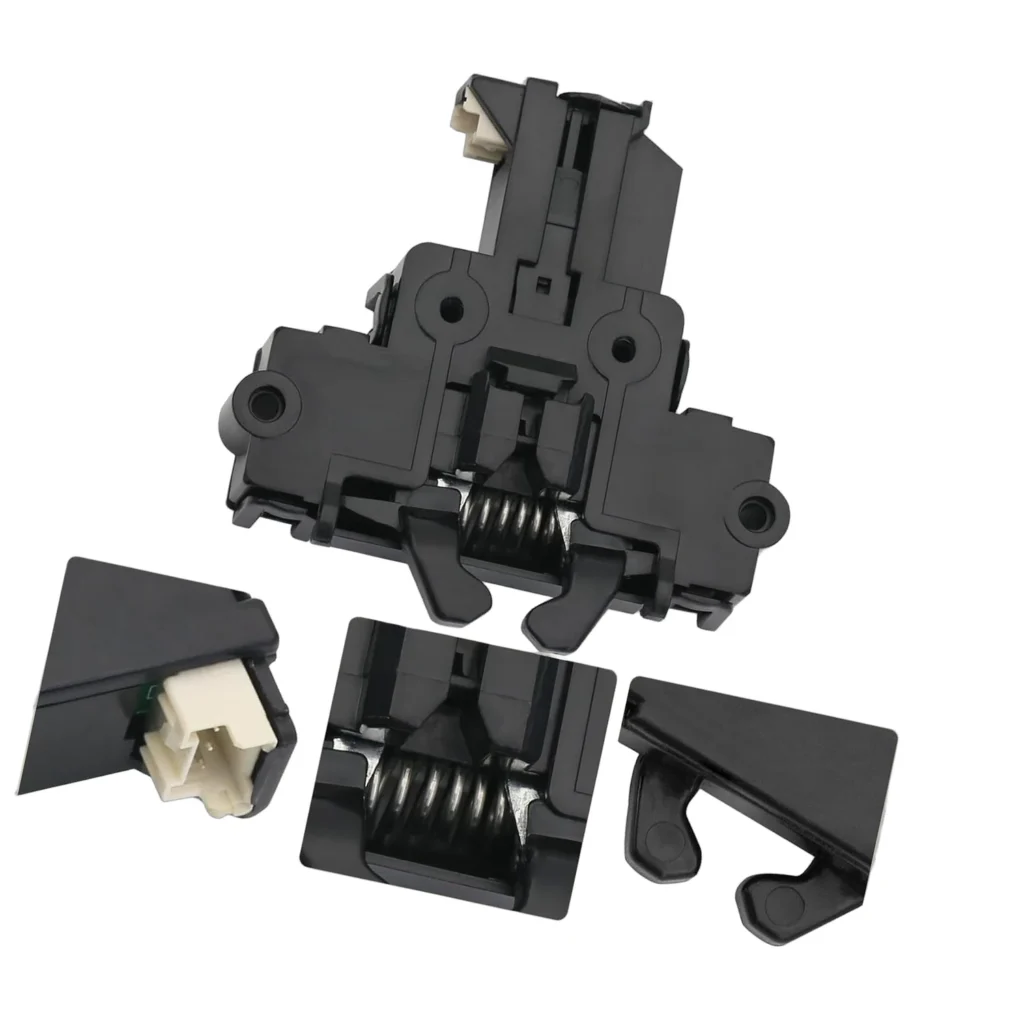
Here's a reality check: the average dishwasher door latch assembly lasts about 5-7 years with normal use. But I've seen latches fail in under three years because nobody paid attention to the warning signs. On the flip side, I've serviced GE dishwashers where the original latch was still clicking strong after 12 years — and the difference always comes down to how that door gets treated.
The WD21X10490 latch and switch assembly isn't just a plastic piece that keeps your door closed. It's doing electrical work every single cycle, telling your dishwasher it's safe to start. When it fails, you're either staring at a door that won't stay shut or a machine that refuses to run even though everything else works fine.
How Long Should It Last?
Under normal conditions, expect 5-7 years from this assembly. That's based on running your dishwasher 5-6 times per week. Run it twice daily? You're looking at closer to 4-5 years. Use it sporadically? You might hit 10 years.
What actually affects lifespan:
- How hard the door gets closed — slamming shortens life by 30-40%
- Detergent quality — cheap powder leaves residue that gums up the mechanism
- Water hardness — mineral buildup around the latch housing creates friction
- Loading habits — overstuffing causes uneven door pressure
The latch mechanism itself is spring-loaded plastic with electrical contacts. Every time you close that door, those springs compress and the contacts engage. After several thousand cycles, plastic fatigues and contacts corrode. It's not if it'll wear out, it's when.
Signs It's Wearing Out
The beautiful thing about door latch failures is they rarely happen overnight. Your dishwasher will tell you it's struggling — you just need to know what you're listening for.
The Door Doesn't Click Anymore
You know that satisfying click when you close the door? That's the latch engaging. When you stop hearing it — or hear a weak, mushy click instead — the spring mechanism is losing tension. You'll notice you need to push harder to get the door to stay closed. This usually starts intermittently: works fine most days, then suddenly pops open during a cycle.
At this stage, you've got maybe 2-4 weeks before complete failure. The latch is still catching, but barely.
The Dishwasher Won't Start (But the Door Is Closed)
This one's frustrating because everything looks fine. Door's shut, you press start, and... nothing. Or you get an error code. What's happening: the switch portion of this assembly isn't making proper contact. The latch might be physically closed, but electrically your dishwasher doesn't know it.
Sometimes jiggling the door or pressing it firmly will get things started. That's your confirmation the switch contacts are worn or corroded. You're in the final stages here — replacement is imminent.
Visible Cracks or White Residue Around the Latch
Pop open your dishwasher door and look at the latch housing on the door itself. See any hairline cracks in the plastic? That's stress fracture from years of use. More common: white crusty buildup around the mechanism. That's detergent and mineral deposits. Either one means the latch isn't moving as freely as it should.
The white residue issue is actually preventable with regular cleaning, which we'll get to. The cracks? That's fatigue, and there's no fixing it.
When to Replace vs Maintain
Let's be straight about this: you can't rebuild or repair a door latch assembly. Once the plastic cracks or the switch contacts are fried, it's done. But you can absolutely extend its life with proper care.
Replace immediately if:
- The door won't latch at all
- You see visible cracks in the latch housing
- The dishwasher consistently won't start even with the door closed
- The latch feels loose or wobbly when you close the door
Maintain if:
- Everything's working but you're past the 4-year mark
- You notice slight hesitation when closing but it still latches
- There's buildup around the mechanism but no structural damage
Here's the honest math: the WD21X10490 costs around $35. A service call to have someone else replace it? $150-200 minimum. Taking 10 minutes every few months to clean and inspect makes financial sense.
Frequently Asked Questions
Can I lubricate the door latch to make it last longer?
No, and here's why: this assembly has electrical contacts inside. Any lubricant — even food-safe silicone — will attract detergent residue and mineral deposits, making things worse. The mechanism is designed to run dry. If it's sticking, cleaning is your answer, not lubrication.
Why does my latch work fine when the dishwasher is empty but fails when it's loaded?
That's weight distribution. When you load the bottom rack too heavy — cast iron pans, full dinner plates — the entire tub shifts slightly, changing the angle between the latch and strike. The latch is borderline worn, and that tiny angle change is enough to prevent proper engagement. It's a clear sign you're within months of complete failure. Also, stop overloading your bottom rack.
Will a faulty door latch cause my dishwasher to leak?
Not directly, but yes, eventually. If the latch isn't fully engaging, the door isn't compressing the gasket properly. You'll get minor seepage first — just dampness around the door bottom. As the latch gets worse and the door sits more loosely, leaks get more obvious. Don't ignore early leak signs thinking it's just the gasket. Check the latch operation first.
Element showing wear?
WD21X10490 · Replace before it fully fails