
How to Extend Your GE Microwave Glass Turntable Life — Maintenance Guide
Never place frozen items on a hot turntable — thermal shock can cause immediate cracking. Always let the tray cool before cleaning or handling.
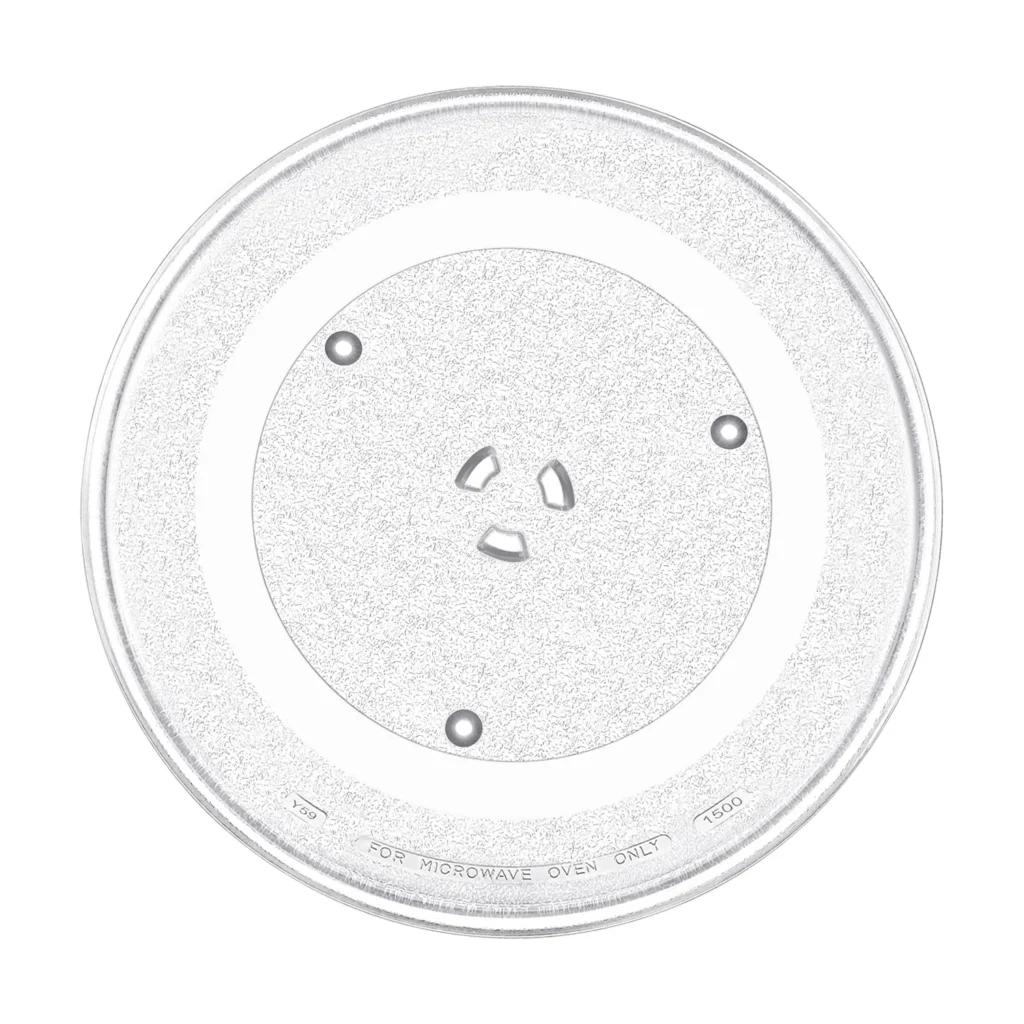
Most GE microwave turntables should last 8-12 years, but I've seen them crack or stop spinning within 18 months. The $68.99 replacement cost stings, especially when simple maintenance could've prevented it. If your JVM1870 or CVM2072 model is getting daily use, that glass tray is taking more abuse than you think.
How Long Should Your Turntable Last?
The WB49X10063 glass tray is tempered to handle heat cycling, but it's not indestructible. Under normal use (2-3 times daily), you're looking at 8-10 years. Heavy users — families heating multiple meals, defrosting constantly — often see issues around year 5.
What kills turntables early:
- Thermal shock: Placing frozen items directly on a hot tray
- Impact damage: Dropping it while cleaning (happens more than you'd think)
- Warped rollers: The support ring underneath wears out, causing wobble that eventually cracks the glass
- Food buildup: Dried sugar or grease creates hot spots that stress the glass
With proper care, I've seen these trays push 12-15 years. It's worth the effort.
Signs It's Wearing Out
The most obvious symptom is when the tray won't turn. But by the time that happens, you've usually got underlying issues. Here's what to watch for before complete failure.
The Tray Won't Turn Smoothly
If your turntable hesitates, jerks, or stops mid-cycle, the problem might not be the glass itself. Check the support ring (the plastic wheel assembly underneath) for cracks or warping. When that ring fails, it puts uneven stress on the glass tray. The motor's working fine, but the mechanical connection is shot.
Test this: Remove the tray, inspect the support ring for splits or missing sections, then manually spin the coupling (the center hub). It should rotate freely. If it catches or grinds, you're headed for trouble.
Visible Chips or Edge Cracks
Any chip along the outer edge is a stress concentrator. The tray spins hundreds of times per week — that tiny chip will propagate into a full crack eventually. I've seen quarter-inch edge chips turn into spiderweb cracks within two months of heavy use.
Check the underside too. Bottom cracks are harder to spot but just as dangerous. If light shows through any hairline fracture, replace the tray immediately. You don't want tempered glass failing while food's cooking.
Grinding or Clicking Noises
Hear clicking every rotation? That's the support ring wobbling or a broken motor coupling. The glass tray itself doesn't make noise, but when the support system fails, the tray can shift position enough to scrape the microwave walls or catch on the door seal. Ignore this and you'll damage the tray within weeks.
When to Replace vs. Maintain
Let's be honest: if the glass is cracked, chipped through, or shattered, you're buying a new one. There's no repair. But if the tray won't turn and the glass looks fine, you've probably got a support ring or motor coupling issue — not a tray problem.
Replace the tray if:
- Any visible cracks, even hairline
- Chips deeper than 1/8 inch
- Discoloration or clouding (indicates heat damage to the temper)
- It's wobbling despite a new support ring
Keep maintaining if:
- Surface scratches only (cosmetic, won't affect function)
- Minor staining that comes off with proper cleaning
- The tray itself is sound, but support components need replacement
For models like the JVM1870BF06 or CVM2072SM2SS, the WB49X10063 is a direct fit. Don't cheap out with universal trays — they won't spin correctly and you'll damage the motor.
Frequently Asked Questions
Can I Put the Glass Tray in the Dishwasher?
Yes, but let it cool completely first. Tempered glass hates rapid temperature changes. If you pull a hot tray from the microwave and stick it straight into a dishwasher's cold rinse cycle, you risk cracking. Wait 15-20 minutes, let it come to room temperature, then wash. I prefer hand-washing with hot soapy water — you're less likely to chip edges against dishwasher racks.
Why Does My New Tray Feel Rough on the Bottom?
That's normal. The WB49X10063 has a textured underside for better grip on the support ring. If it feels excessively rough or has burrs, check for manufacturing defects, but some texture is intentional. Clean it thoroughly before first use — sometimes there's residual mold release compound that needs washing off.
How Do I Stop Food From Sticking and Staining?
Don't let spills sit. Sugar-based liquids (soda, juice, sauces with corn syrup) caramelize into cement if left overnight. Wipe spills within an hour while they're still soft. For baked-on messes, place a damp paper towel over the spot and microwave on high for 30 seconds — the steam loosens everything. A plastic scraper works better than steel wool, which can scratch the glass and create weak points.
Element showing wear?
WB49X10063 · Replace before it fully fails