
How to Extend Your GE Oven Bake Element Life — WB44X5082 Maintenance Guide
Always disconnect power at the circuit breaker before inspecting or cleaning the element. Never spray oven cleaner directly on the element — it will damage the protective coating.
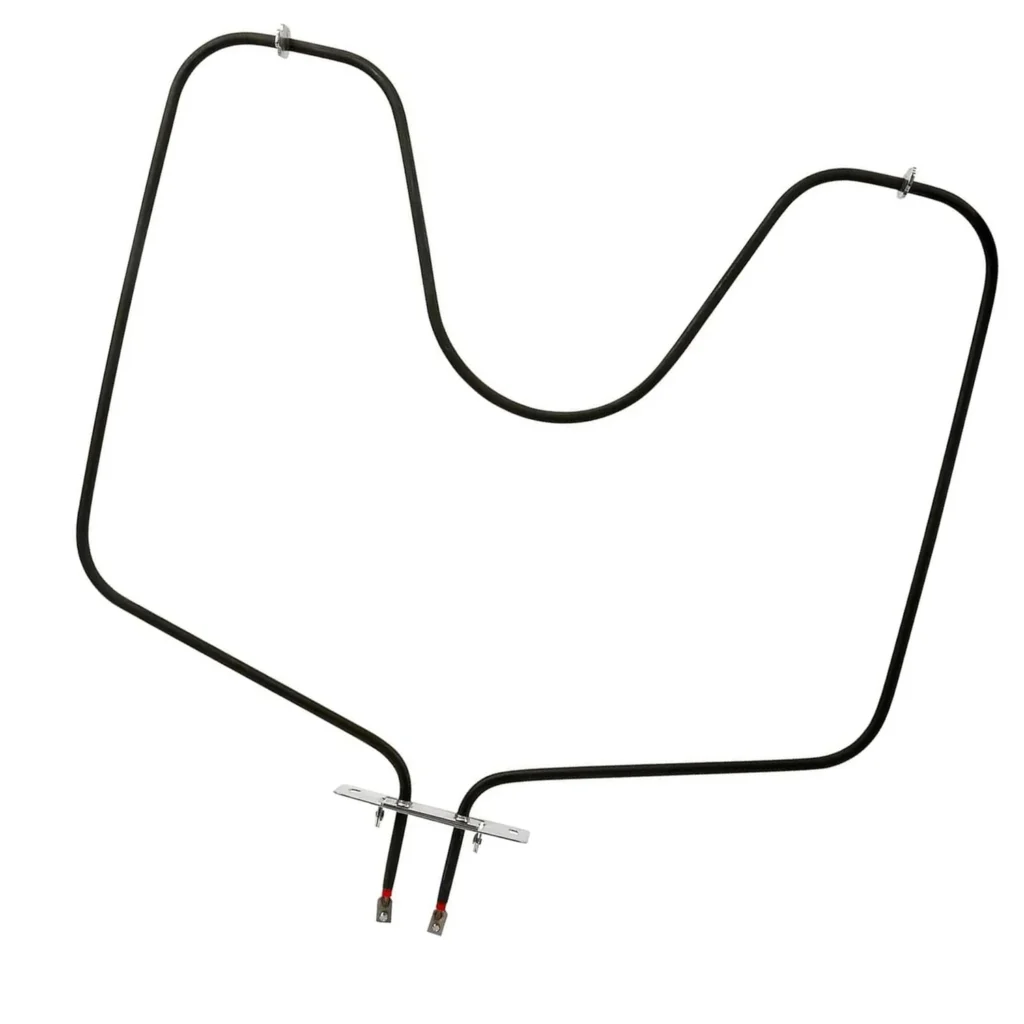
Most GE oven bake elements fail between years 8 and 12, but I've seen plenty burn out at year 5 — and a few that lasted 18 years. The difference? How you use it matters more than you'd think.
Your WB44X5082 bake element is a simple resistance heating coil, but it's surprisingly sensitive to thermal shock, uneven loads, and moisture exposure. Let's talk about what actually extends its life versus what just sounds good.
How Long Should It Last?
Under normal conditions, a bake element like the WB44X5082 should give you 10-15 years of service. That's roughly 3,000-4,500 heating cycles if you're baking 4-5 times a week.
But here's what shortens that lifespan:
- Self-clean cycles: Each one is equivalent to about 50 normal baking sessions in terms of stress on the element. Running self-clean monthly? You're aging your element fast.
- Temperature swings: Cranking from cold to 500°F for pizza every Friday puts more stress on the coil than gradual preheating.
- Spill exposure: Acidic foods (tomato sauce, fruit pies) that drip and bake onto the element cause localized hot spots.
- Physical contact: Bumping the element with heavy pans causes micro-fractures in the coil coating.
If you've got a JBP series model (like the JBP26GV3 or JBP46GS2), you're dealing with a particularly exposed element design — it sits right at the bottom with minimal protection from spills.
Signs It's Wearing Out
Your bake element doesn't just suddenly quit. It gives you warnings weeks or even months before total failure. Here's what to watch for:
Uneven Heating Patterns
When your cookies brown perfectly on one side of the pan but stay pale on the other, that's often your first clue. The element develops weak spots where the resistance increases, creating cold zones. You'll notice this most with items that need even heat — cookies, sheet cakes, anything on a single rack.
Test it: Put a cookie sheet with wet paper towels across the bottom rack and run the oven at 350°F for 10 minutes. The dry spots show you where the element isn't heating properly.
Visible Blistering or Bubbling
Look at the element when it's cold. See any raised bumps or blisters in the metal sheath? That's the internal coil expanding through weak spots. Once you see even one blister, you're maybe 6-12 months from failure. The coating has compromised, moisture can get in, and it's a countdown.
These usually show up first near the connection terminals where the element gets hottest.
Glowing Bright Spots
When the element heats up, it should glow a consistent red-orange across its entire length. If you see one section glowing white-hot while the rest is barely red, that section has increased resistance and is working way too hard. It'll burn through soon — sometimes within days.
This is the "I need to order a part tonight" warning sign.
Longer Preheat Times
If your oven used to hit 350°F in 12 minutes and now takes 18-20, your element is weakening. It's still working, but it's drawing less current through damaged sections. You can limp along like this for months, but your energy bills are climbing and your baking results are getting unpredictable.
When to Replace vs Maintain
Let's be honest about what maintenance can and can't do. Once a bake element develops internal damage, no amount of cleaning or care will fix it. But proper maintenance can prevent that damage from happening in the first place.
Replace if you see:
- Any blistering or bubbling on the element surface
- Bright white glowing spots during heating
- Physical breaks or separations in the coil
- Scorch marks on the ceramic insulators at the connection points
- Element that doesn't glow at all (obvious, but still)
Maintain if you notice:
- Minor uneven heating that responds to cleaning
- Slight discoloration but no blistering
- Normal preheat times with consistent glow
- Element is just dirty from normal use
The WB44X5082 runs about $48, and it's a 20-minute DIY job. If you're on the fence, replace it. A failing element that shorts can damage your oven's control board, which is a $200-300 repair on top of the element itself.
Practical Maintenance Schedule
After spills (immediately): Let the oven cool completely, then gently wipe the element with a damp cloth. Don't scrub — you'll damage the protective coating. For baked-on residue, use a plastic scraper at a shallow angle. Never use oven cleaner directly on the element.
Monthly check: With the oven off and cool, inspect the element for any blistering, cracks, or discoloration. Look at the connection terminals — any browning or carbon buildup there means you're getting arcing, which will eventually cause failure.
Every 6 months: Run a full preheat cycle empty and watch how the element heats. It should glow evenly within 2-3 minutes. Use this as your baseline for comparison. Take a photo on your phone — it's easier to spot changes when you can compare images.
Yearly deep check: Pull the bottom racks and really look at the element mounting. Any rust on the brackets? Loose terminal connections? This is also when you should check the oven cavity for anything that fell behind the element — I've found everything from screws to earring backs wedged back there.
What Actually Extends Element Life
Use the convection fan when you have it: It distributes heat more evenly, so the element doesn't have to work as hard to maintain temperature. Your element cycles on and off less frequently.
Preheat empty: Don't put food in a cold oven to "save time." The element has to work harder with a thermal load during preheat, and that extra stress adds up over years.
Cover casseroles: Especially anything tomato-based or sugary. Use foil or a lid for the first 30 minutes, then uncover to brown. This prevents aggressive spills from hitting the element when they're at their most acidic or sticky.
Skip the self-clean cycle: I know it's tempting, but the 900°F temperature is brutal on elements. Spot-clean spills when they happen instead. If you must self-clean, do it no more than 2-3 times per year.
Let it cool naturally: Don't open the oven door wide immediately after cooking to "speed up" cooling. That thermal shock — hot to cold air rushing in — stresses the element coating. Crack the door 2-3 inches instead.
Frequently Asked Questions
Can I clean my bake element with oven cleaner?
No, and this is how a lot of elements die early. Oven cleaner is extremely caustic and will damage the element's protective coating. If cleaner gets into micro-cracks, it accelerates internal corrosion. When you spray the oven, cover the element with aluminum foil, or better yet, just avoid the element area entirely and spot-clean around it with a damp cloth and baking soda paste.
Why does my element smell when it's new?
Brand new elements have manufacturing oils and protective coatings that need to burn off. Run your oven empty at 400°F for 30 minutes with good ventilation the first time you use it. That smell should be gone after one cycle. If it persists beyond the first use, something else is going on — check for packing materials or debris in the oven cavity.
Should I turn off the circuit breaker when inspecting the element?
Absolutely, every single time. Even with the oven controls off, there's still live voltage at the element terminals. Flip the breaker, verify the oven is dead (check the clock display), then inspect. I've seen too many people get shocked because they trusted the control knob. Don't be that person.
Element showing wear?
WB44X5082 · Replace before it fully fails