
How to Extend Your GE Microwave Door Handle Life — Maintenance Guide
Never hang items from the handle. Do not over-tighten mounting screws during installation — this pre-stresses the plastic and accelerates cracking.
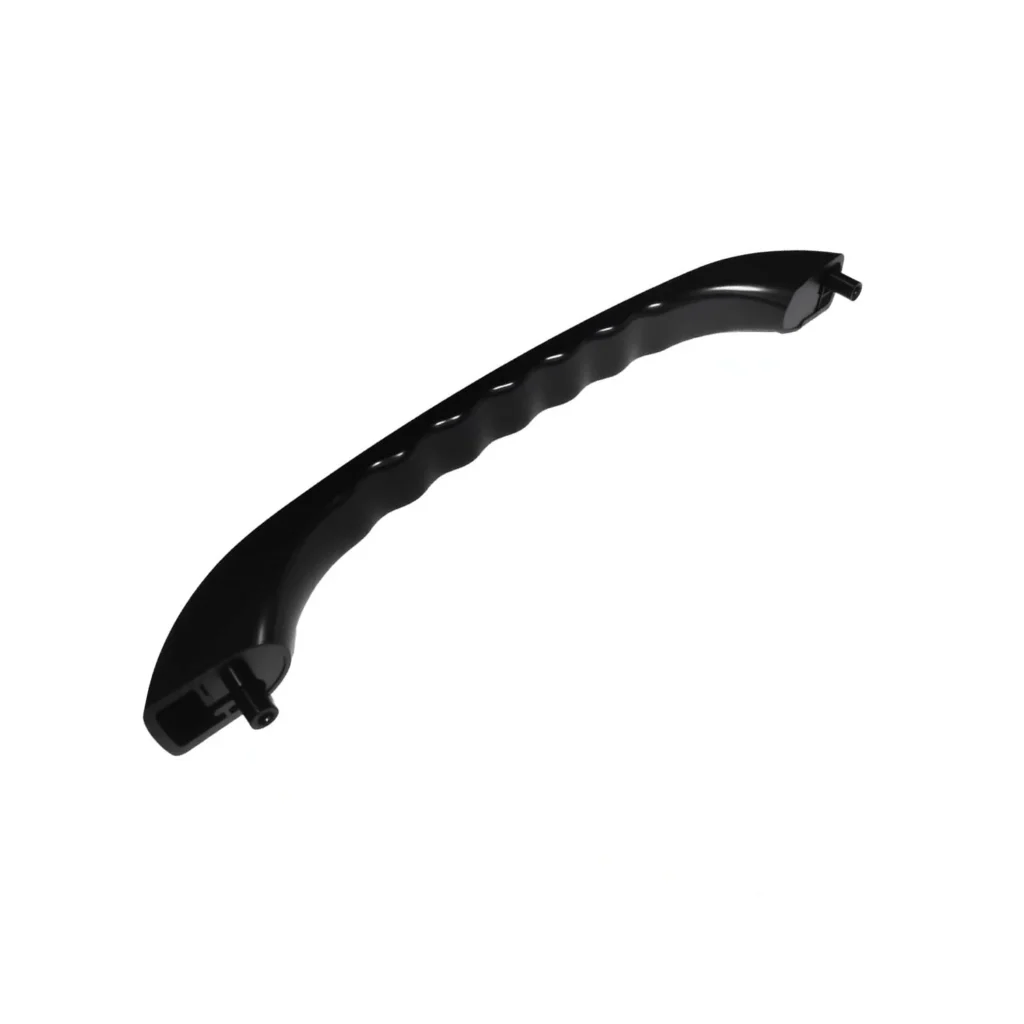
Most GE Spacemaker XL microwave door handles should last 8–10 years, but the reality? Most people replace them after 3–4 years because the plastic cracks or the mounting screws strip out. The WB15X10020 handle doesn't fail because it's poorly made — it fails because we grab it the same way, in the same spot, thousands of times.
If you've got a JVM1330, JVM1340, or JVM1350 series, you're pulling that handle 6–10 times a day. That's 2,500+ pulls per year. The stress concentrates right where the handle meets the door frame, and that's where you'll see the first hairline cracks.
How Long Should It Last?
Under normal use, the WB15X10020 handle should give you 8–10 years. But "normal use" assumes you're not yanking it open when the door's stuck, hanging dish towels on it, or letting kids swing from it.
The handle is ABS plastic with internal metal reinforcement points. It's designed for a pulling force of about 15 pounds — enough to open a properly aligned door, but not much more. When the door seal gets sticky or the hinges get stiff, people compensate by pulling harder. That's when the plastic starts to fail.
Temperature swings matter too. If your microwave sits above a stove, that handle heats and cools dozens of times per day. The expansion and contraction weakens the plastic over time, especially at the screw mounting points.
Signs It's Wearing Out
The WB15X10020 gives you plenty of warning before it completely fails. You just have to know what to look for.
Door Not Closing Properly
This is the earliest warning sign, and it's easy to miss. If your door doesn't latch on the first try, or you need to push it twice to hear the click, the handle's probably flexing more than it should. The mounting points are loosening, which lets the entire door assembly shift slightly out of alignment.
Run your finger along the inside edge of the handle where it meets the door. Feel any movement? Even a millimeter of play means the screws are working loose or the plastic around the screw holes is cracking.
Visible Hairline Cracks
Check the top and bottom edges where the handle curves into the door. Use a flashlight — the cracks start as fine lines that are almost invisible under normal kitchen lighting. They usually appear first at the top mounting point because that's where most people naturally grab.
Once you can see a crack, you've got maybe 2–3 months before it spreads. Cold weather accelerates this. If your kitchen gets below 65°F in winter, those cracks will propagate faster.
The Handle Feels Loose or Wobbly
Grip the handle and try to wiggle it side-to-side without pulling. Brand new, there should be zero lateral movement. If you can rock it even slightly, the mounting hardware is compromised. This happens when the metal screw inserts inside the plastic start to strip out their threads.
Don't try to just tighten the screws harder — you'll make it worse. The plastic is already damaged, and more torque will only enlarge the hole.
When to Replace vs Maintain
Here's the honest truth: once the WB15X10020 shows structural damage, you can't maintain your way out of it. Plastic cracks don't heal. Stripped screw holes don't repair themselves.
Replace immediately if you see any crack longer than a quarter-inch, if the handle wobbles side-to-side more than 2–3mm, or if the door won't close on the first try even after you've cleaned the seal and checked the hinges.
You can extend the handle's life with good habits, but you can't reverse damage. Think of maintenance as prevention for a new or still-solid handle, not repair for one that's already compromised.
One more thing: replacement handles don't include mounting screws. Keep your original screws if they're in good shape, or order stainless steel replacements. The factory screws are usually fine for a second installation if you're careful not to cross-thread them.
Frequently Asked Questions
Can I use super glue to fix a cracked handle?
You can, but it won't last. Super glue or epoxy might hold for a few weeks, but the stress forces that caused the crack haven't changed. You're still pulling the handle the same way, and the crack will reappear — usually right next to your repair. Plus, adhesives don't restore the internal metal reinforcement structure. If the handle's cracked enough to consider gluing, it's cracked enough to replace.
Why does my handle crack near the screws?
Two reasons: over-tightening during installation and repeated stress concentration. When you install the WB15X10020, the screws should be snug but not torqued down hard — plastic needs room to flex slightly. If they're too tight, the plastic around the screw holes is pre-stressed and will crack faster. The repeated pulling motion also creates stress that radiates outward from the mounting points, which is why cracks usually start there and spread toward the center of the handle.
How do I know if my door seal is making the handle work harder?
Clean the door seal with warm soapy water and dry it completely. Then open and close the door 10 times. It should feel consistent — same resistance each time. If some openings feel sticky or require extra force, the seal's probably got food residue or it's starting to degrade. A door that opens smoothly puts less stress on the handle. You can test this by watching the handle while someone else slowly opens the door — if it flexes visibly before the door releases, your seal needs attention.
Element showing wear?
WB15X10020 · Replace before it fully fails