
How to Extend Your GE Range Control Knob Life — Maintenance Guide
Never force a stuck control knob—clean the valve stem first. A knob breaking off while adjusting a hot burner can cause serious burns.
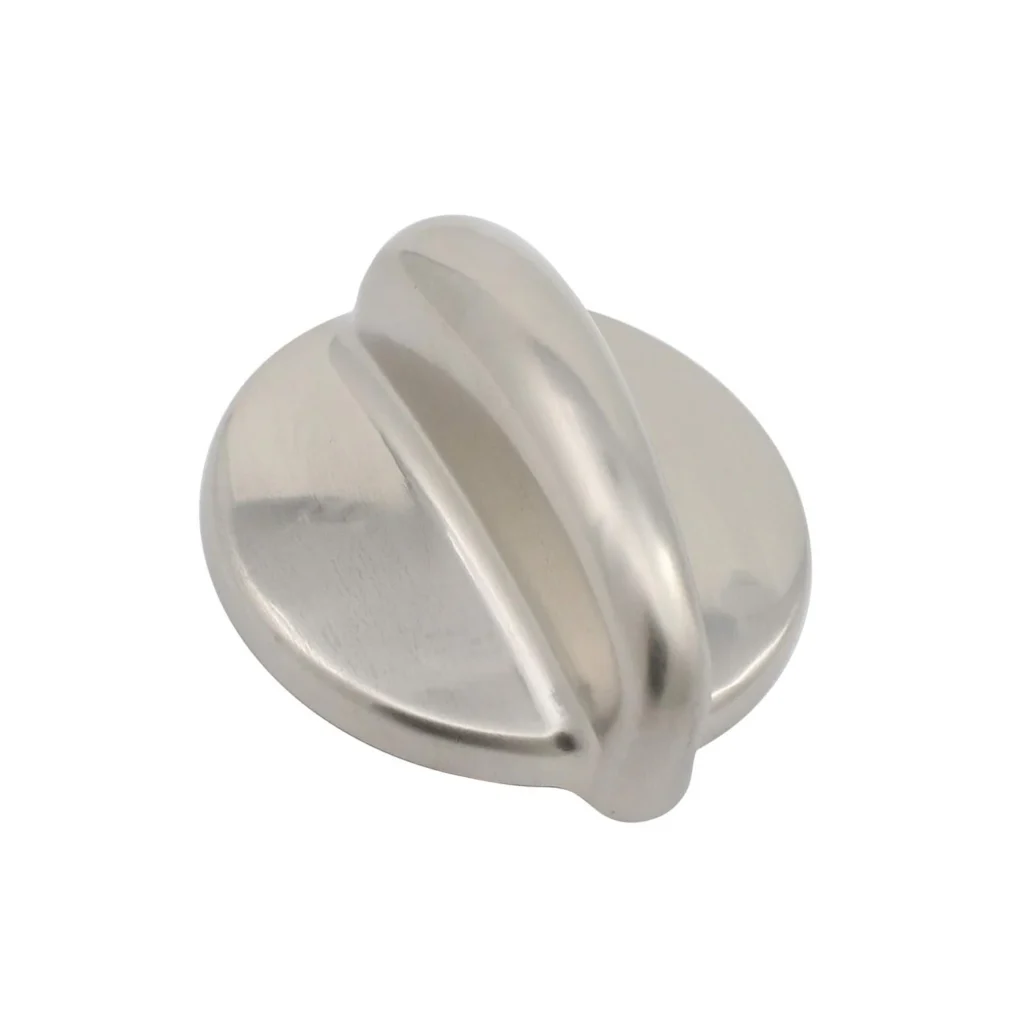
A control knob seems like the simplest part on your range—until it cracks mid-dinner and you're stuck adjusting the burner with pliers. Most GE control knobs like the WB03K10303 should last 8-12 years, but kitchen grease, heat exposure, and rough handling can cut that lifespan in half. Here's how to keep yours working smoothly.
How Long Should It Last?
Under normal conditions, the WB03K10303 control knob (compatible with models like JGB918SEL1SS, PGB910SEM1SS, and JGB916SEL2SS) should last the lifetime of your range. The metal shaft insert typically outlasts the plastic housing, which becomes the weak point.
What affects lifespan:
- Heat exposure: Using the burner on high constantly softens the plastic over time
- Grease buildup: Accumulated cooking oil breaks down plastic compounds
- Force when turning: Yanking or forcing the knob wears the D-shaft connection
- Cleaning chemicals: Harsh degreasers can make plastic brittle
- UV exposure: If your range sits near a sunny window, the plastic degrades faster
With proper care, you'll get 12-15 years instead of the 6-8 most people see.
Signs It's Wearing Out
Control knobs don't fail overnight. You'll see these warning signs first:
The Knob Spins Freely Without Turning the Valve
This happens when the D-shaped metal insert inside the knob wears round, or when the plastic around it cracks. You'll turn the knob and feel no resistance—the burner stays at whatever setting it was already on. This is the most common failure mode for knobs on JGB900SEL and J2B918SEL series ranges.
Cracks Around the Base or Metal Insert
Heat cycles cause the plastic to expand and contract. Over time, stress cracks form where the metal shaft meets the plastic housing. These start as hairline fractures but eventually split completely, making the knob wobbly or impossible to grip properly.
Discoloration or Melted Edges
If you see yellowing or brown marks on the knob (especially near the base), that's heat damage. The plastic is degrading. If the edges look slightly melted or deformed, replace it immediately—it's about to fail and could break off in your hand while adjusting a hot burner.
Stiff or Sticky Turning
This usually means grease has worked its way into the valve shaft. While not technically the knob failing, it causes you to force the knob, which accelerates wear on that D-shaft connection. Clean the valve stem before the knob breaks.
When to Replace vs Maintain
Here's your decision framework:
Maintain it if: The knob turns smoothly, shows no cracks, and only has surface dirt or grease. A good cleaning will buy you years.
Replace it if: You see any cracks (even small ones), the knob spins without engaging the valve, or the plastic feels brittle when you press on it. These knobs cost $48.99 for the WB03K10303—cheap insurance against burning yourself trying to adjust a broken control.
One user reported "parts didn't fit" with this SKU, so double-check your model number against the compatibility list (JGB918SEL1SS, JGB916SEL3SS, JGB928SEL2SS, etc.) before ordering. The good news? They also noted "the return process was easy" if you do get the wrong part.
Frequently Asked Questions
Can I use the range if the control knob is cracked but still turns?
Technically yes, but it's not safe. A cracked knob can break completely while you're adjusting a hot burner, potentially causing burns or making you lose control of the flame height. Replace it before it fails at the worst possible moment.
Do I need to turn off the gas before removing control knobs for cleaning?
No. The knobs only control the valve position—pulling them off doesn't affect gas flow. Just make sure all burners are in the OFF position before removing any knobs. Never remove a knob while a burner is on.
Why does my replacement knob feel looser than the original?
Aftermarket control knobs sometimes have slightly different tolerances on the D-shaft insert. If it fits but feels loose, that's normal—what matters is whether it engages the valve and turns it reliably. If it spins freely without moving the valve, that's a fitment issue and you should return it.
Element showing wear?
WB03K10303 · Replace before it fully fails