
How to Extend Your Whirlpool Washer Lid Lock Life — W11670519 Maintenance Guide
Always unplug washer before inspecting or maintaining the lid lock assembly. Never force the lid open when locked — internal components can break and create sharp edges.
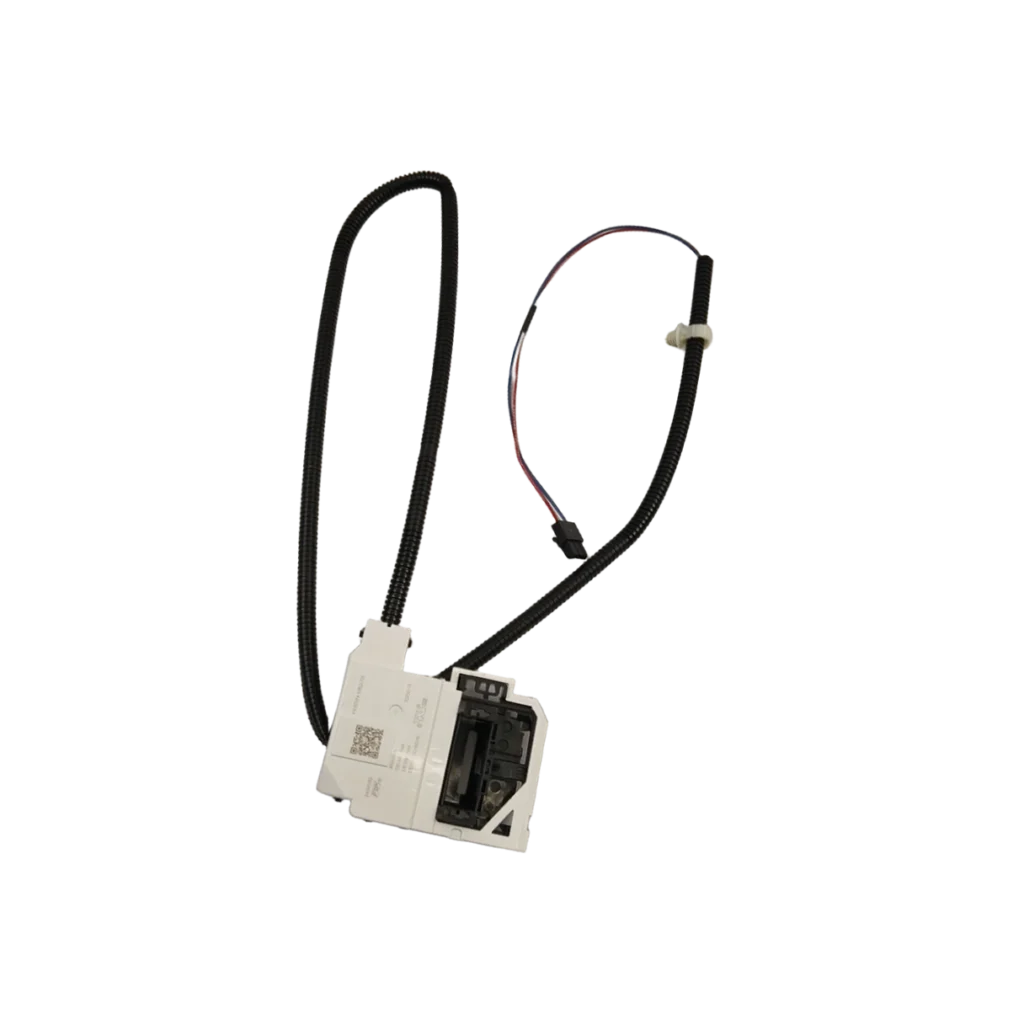
Most lid lock assemblies fail between 3-5 years, but they should last 8-10. The difference? A little routine attention. If you've got a Maytag MVW5430MW2 or Whirlpool MVW5035MW1 that's clicking repeatedly at the lid but won't start, you're probably looking at a worn-out W11670519 assembly. But here's what most people don't realize — half of these failures come from buildup and misalignment you can prevent.
How Long Should It Last?
The W11670519 lid lock assembly contains both mechanical and electrical components. Under normal use, you're looking at:
- Average lifespan without maintenance: 3-5 years
- With proper care: 8-10 years
- Heavy use households (10+ loads/week): 2-4 years without care, 6-8 with it
What kills it early? Detergent residue on the strike plate, fabric softener buildup interfering with the latch mechanism, and mineral deposits from hard water affecting the electrical contacts. Every time your washer won't start even though the lid's closed, that's the lock assembly working overtime trying to make contact.
Signs It's Wearing Out
The assembly doesn't just die overnight. You'll get warnings — if you know what to listen for.
Repeated Clicking Without Engagement
You close the lid and hear click-click-click-click instead of one solid click and a start. The striker isn't catching cleanly anymore. Sometimes it's buildup on the strike plate. Sometimes the plastic latch itself is worn down from thousands of cycles. On models like the MVW5435PW1, this clicking can go on for 30 seconds before the washer gives up and throws an error.
Washer Won't Start Despite Closed Lid
Lid's definitely closed. You can see it's closed. The washer disagrees. This happens when the electrical contacts inside the assembly aren't making proper connection anymore. Could be corrosion, could be a worn switch, could be the wiring harness connector getting loose. Either way, your control board never gets the "lid locked" signal it needs.
Lid Won't Unlock After Cycle
Cycle finishes, you wait the usual 60 seconds, lid's still locked. You have to unplug the whole machine to reset it. This is the solenoid mechanism sticking — sometimes from hard water deposits, sometimes from a failing coil. It'll work fine for three loads, then stick again on the fourth.
Maintenance Schedule That Actually Works
I've seen these assemblies last a decade with this routine. Skip it, and you're replacing parts every three years.
After Every 10-15 Loads
Wipe down the strike plate on the lid with a damp microfiber cloth. Takes 10 seconds. You're removing detergent residue and fabric softener buildup before it gets sticky and interferes with the latch. Pay attention to the little groove where the striker sits — that's where gunk loves to hide.
Monthly Deep Clean
Use a cotton swab dipped in white vinegar to clean around the actual lock mechanism opening. Don't spray anything directly into it — you've got electrical components in there. Just get the visible surfaces. If you've got hard water, this dissolves mineral deposits before they cause problems.
While you're there, check the striker plate on the lid for cracks or wear. It's plastic on most models. If you see a shiny spot where the material's compressed from repeated strikes, you're getting close to replacement time.
Every 6 Months
Unplug the washer. Remove the two screws holding the lock assembly (it's right under the lid, you can't miss it). Pull it out slightly — don't disconnect the wires — and inspect the wiring connector. Push it firmly back together. Half the "won't start" complaints I see are just loose connectors, not bad parts.
While it's out, look at the actual latch mechanism. Should move smoothly in and out when you push it with your finger. If it's sticky or gritty, there's your problem. A tiny bit of silicone spray on the moving parts (not the electrical contacts) can buy you another year.
When to Replace vs Maintain
Be honest with yourself. If you're hearing grinding noises from the lock area, or if the lid unlocks randomly mid-cycle, maintenance isn't going to fix it. The internal components have worn out. At that point, you're spending time and frustration trying to baby along a $51 part.
But if your symptoms are intermittent — works fine for a week, then acts up for a day, then fine again — that's usually buildup or connection issues. Clean it thoroughly before ordering parts.
One test: unplug the washer, remove the lock assembly, and manually work the latch in and out 20-30 times. Should feel consistent every time. If it catches or binds at certain points, the mechanism itself is worn. If it moves smoothly but your washer still has issues, look at connections and buildup.
What Actually Damages It
Besides normal wear, here's what kills these assemblies early:
- Slamming the lid: That striker hits the latch hard. Do it 5,000 times and you've deformed the plastic.
- Pod detergent residue: Those pods are concentrated. If you're not running a cleaning cycle monthly, the residue builds up everywhere, including the lock.
- Forcing the lid open: If it's locked and you pull hard enough, something's going to break — usually the striker plate first, then the latch mechanism.
- Power surges: The solenoid coil is vulnerable. A good surge protector for your washer isn't overkill.
Frequently Asked Questions
Can I bypass the lid lock to use my washer while waiting for the part?
Technically yes — you can disconnect the lock assembly and jumper two specific wires to fool the control board. But I can't recommend it. That lock exists because a spinning basket with the lid open is genuinely dangerous. Wait the two days for shipping on the W11670519.
Why does my lid lock work sometimes but not others?
Intermittent failures usually mean marginal electrical contact. Could be corrosion on the connector pins, could be a wire with a partial break, could be buildup interfering with the strike just enough that it works when positioned one way but not another. Clean everything first, check all connections, then replace if it continues.
Is this the same part for Whirlpool and Maytag models?
Yes — the W11670519 fits both brands. Whirlpool owns Maytag, and they share components across model lines. If you've got an MVW series washer from either brand manufactured after 2018, this is likely your lock assembly. Just verify your model number against the compatibility list to be sure.
Element showing wear?
W11670519 · Replace before it fully fails