
How to Extend Your Whirlpool Condenser Fan Motor Life — W11613295 Maintenance Guide
Always unplug the refrigerator before cleaning the condenser fan motor area. The motor runs on 120V AC and is exposed in most models. Never stick tools or fingers near the fan blade while power is connected.
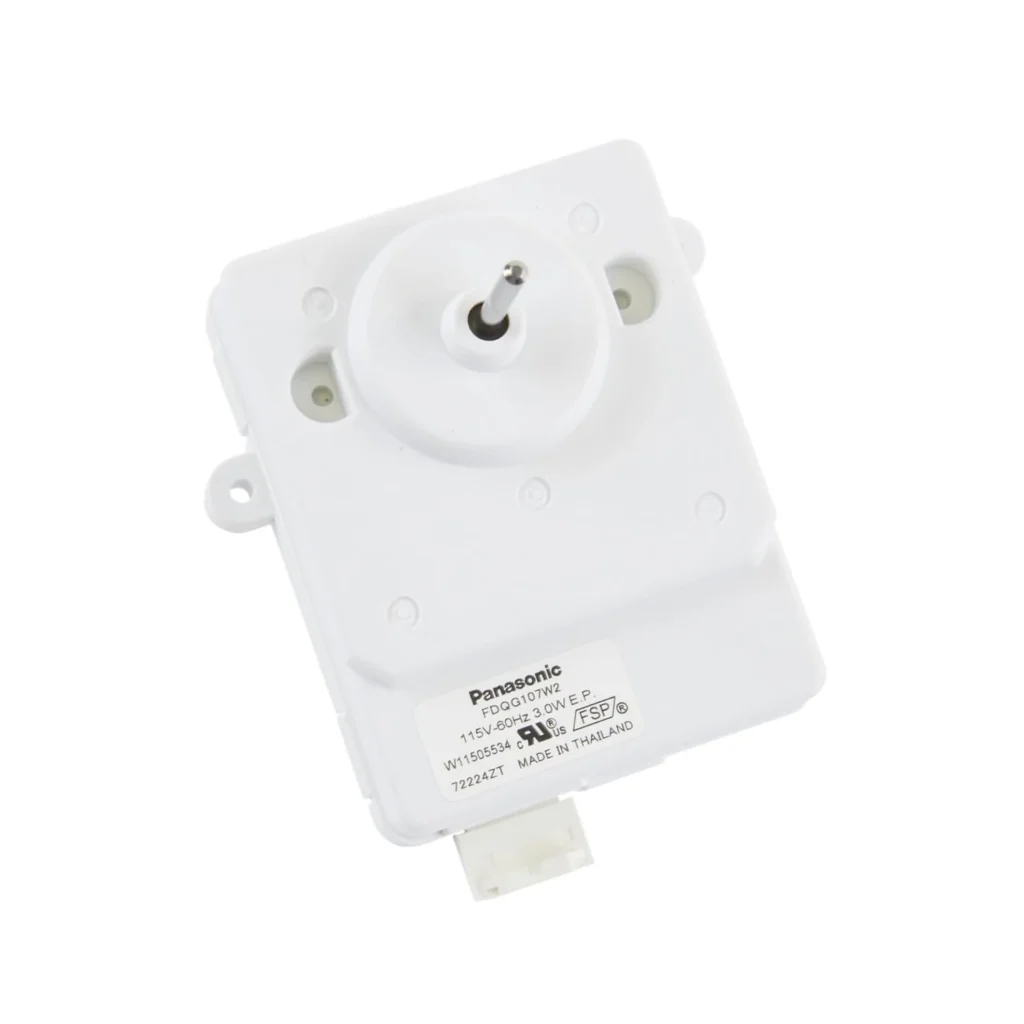
Most condenser fan motors fail between years 5 and 8. But here's the thing — the W11613295 motor in your Whirlpool, Maytag, or KitchenAid fridge should last 10-12 years if you keep the area around it clean. That three-year difference? It's mostly about dust buildup and airflow restriction.
If you're hearing grinding noises or noticing your fridge running warmer than usual, you're already seeing the early signs of motor stress. Let's talk about keeping this $60 part running as long as possible.
How Long Should the W11613295 Motor Last?
Under normal conditions, this condenser fan motor should give you 10-12 years of service. I've seen them fail at 5 years in dusty environments, and I've pulled working motors from 15-year-old units that were meticulously maintained.
What kills condenser fan motors early:
- Dust buildup on the blades and motor housing — forces the motor to work harder, generates more heat
- Restricted airflow from blocked condenser coils — the motor runs longer cycles trying to cool an inefficient system
- Pet hair accumulation — wraps around the motor shaft, creating friction and heat
- High ambient temperatures — fridges in hot garages or uninsulated utility rooms stress the motor
- Voltage fluctuations — brownouts and power surges degrade the motor windings over time
The motor's working 24/7 in short cycles. Every time your compressor kicks on, the condenser fan motor spins up to pull air across the coils. On a hot summer day, that's 8-12 cycles per hour. Clean operation means less friction, less heat, longer life.
Signs Your Motor Is Wearing Out
The W11613295 gives you warning signs before it fails completely. Most people notice the symptoms but don't connect them to the fan motor until it's too late.
Fridge Running Warmer Than Normal
When your fridge temperature creeps up to 40-42°F instead of staying at 37-38°F, the condenser fan motor is often struggling. It's still running, but not moving enough air to cool the condenser coils efficiently. Your compressor runs longer cycles trying to compensate, and your electric bill goes up before you notice the food spoiling faster.
Check the temperature with a standalone thermometer — the digital display can lie if the thermistor's failing too. If you're seeing consistent 40°F+ readings and both compartments are warm, pull the fridge out and listen to the condenser fan while the compressor's running.
Noisy Operation — Grinding, Squealing, or Humming
A healthy condenser fan motor makes a low whoosh of moving air. When you hear grinding, the motor bearings are shot. Squealing means the shaft needs lubrication or there's debris in the blade housing. Loud humming without much airflow? The motor's trying to start but can't overcome internal resistance.
The noise usually starts intermittently — you'll hear it for 10 seconds when the compressor first kicks on, then it smooths out. That's the motor struggling to overcome initial inertia. Over weeks, the noise gets longer and louder until the motor won't start at all.
Freezer Working Fine, Fridge Too Warm
This symptom confuses people because the freezer seems normal. Here's what's happening: the evaporator fan is working fine, circulating cold air in the freezer. But the condenser fan motor isn't pulling enough air across the back coils, so the refrigerant isn't condensing efficiently. The freezer maintains temperature because it's the priority compartment, but the fridge section suffers.
Feel the condenser coils on the back or bottom of your fridge while it's running. They should be warm to the touch. If they're hot enough to be uncomfortable, your condenser fan isn't moving enough air.
Maintenance Schedule That Actually Works
You don't need to obsess over this motor, but three simple maintenance windows will double its lifespan.
Every 3 Months: Quick Dust Removal
Pull the fridge away from the wall. Vacuum the condenser coils and fan area with a brush attachment. Don't blow compressed air at it — you'll just push dust deeper into the coils. Five minutes, four times a year.
If you have pets, do this monthly. Pet hair is the #1 cause of premature condenser fan failure in residential fridges.
Every 6 Months: Deep Clean and Inspection
Unplug the fridge. Remove the rear access panel or bottom grille to access the condenser fan motor. Wipe down the fan blades with a damp cloth — they accumulate a sticky dust-grease film that throws off the balance. Check that the blades spin freely by hand when power's off.
Look for oil spots under the motor. If you see any, the motor seals are leaking and it'll fail within 6-12 months. Budget for the W11613295 replacement before you're dealing with an emergency.
Annually: Full System Check
With the fridge unplugged and pulled out, thoroughly vacuum both the condenser coils and the motor housing. Check the rubber grommets that mount the motor — if they're cracked or hardened, they're not dampening vibration anymore. Replace them before they let the motor shake itself apart.
Measure the gap between the wall and the back of the fridge. You need at least 2 inches for proper airflow. I've seen motors fail early just because someone pushed the fridge flush against the wall to save kitchen space.
When to Replace vs Maintain
If your motor's making noise constantly, not just at startup, replacement is the answer. Same if you're measuring voltage at the motor (120V AC) but it's not spinning. At $60.99, the W11613295 isn't worth paying a tech to diagnose when the symptoms are clear.
Replace immediately if:
- The motor won't start even after cleaning
- You smell burning plastic near the compressor area
- The motor housing is hot to the touch (motors run warm, not hot)
- Both fridge and freezer are warm and the compressor is running non-stop
Keep maintaining if:
- The motor spins freely by hand when unplugged
- Noise goes away after cleaning
- Temperature issues resolve with a good coil cleaning
- You're keeping up with the quarterly maintenance schedule
The W11613295 fits a huge range of Whirlpool refrigerators — everything from the WRF550CDHZ02 to the GB9SHDXPQ01 and most KitchenAid models like the KFCO22EVBL2. It's one of those universal parts where spending 20 minutes twice a year on maintenance saves you $300 in service calls.
Frequently Asked Questions
Can I oil the condenser fan motor to reduce noise?
No. Modern condenser fan motors like the W11613295 use sealed bearings that are permanently lubricated. Adding oil externally won't reach the bearings and just attracts more dust. If it's noisy due to dry bearings, the motor's already damaged and needs replacement. You can't save a motor with external lubrication — it's a sealed unit.
How often should I hear the condenser fan running?
The condenser fan runs whenever the compressor runs. On a typical day, that's about 40-60% of the time in short 8-12 minute cycles. If you never hear it, or if it's running constantly for hours, something's wrong. Pull the fridge out and verify the fan's actually spinning when the compressor's running. Sometimes the motor's humming but the blade assembly has come loose from the shaft.
Will cleaning the condenser fan motor void my warranty?
No. Basic cleaning is considered owner maintenance and is actually required by most manufacturers to keep the warranty valid. What voids warranty is disassembling the sealed refrigeration system or improperly installing replacement parts. Vacuuming dust off accessible components is fair game. Just don't go sticking screwdrivers into the fan while it's running — common sense maintenance is covered, negligence isn't.
Element showing wear?
W11613295 · Replace before it fully fails