
How to Extend Your Whirlpool Dishwasher Circulation Pump Life — Maintenance Guide
Disconnect power at the breaker before any maintenance involving pump removal. Standing water in the sump can be hot — let the dishwasher cool 30 minutes after a cycle before servicing.
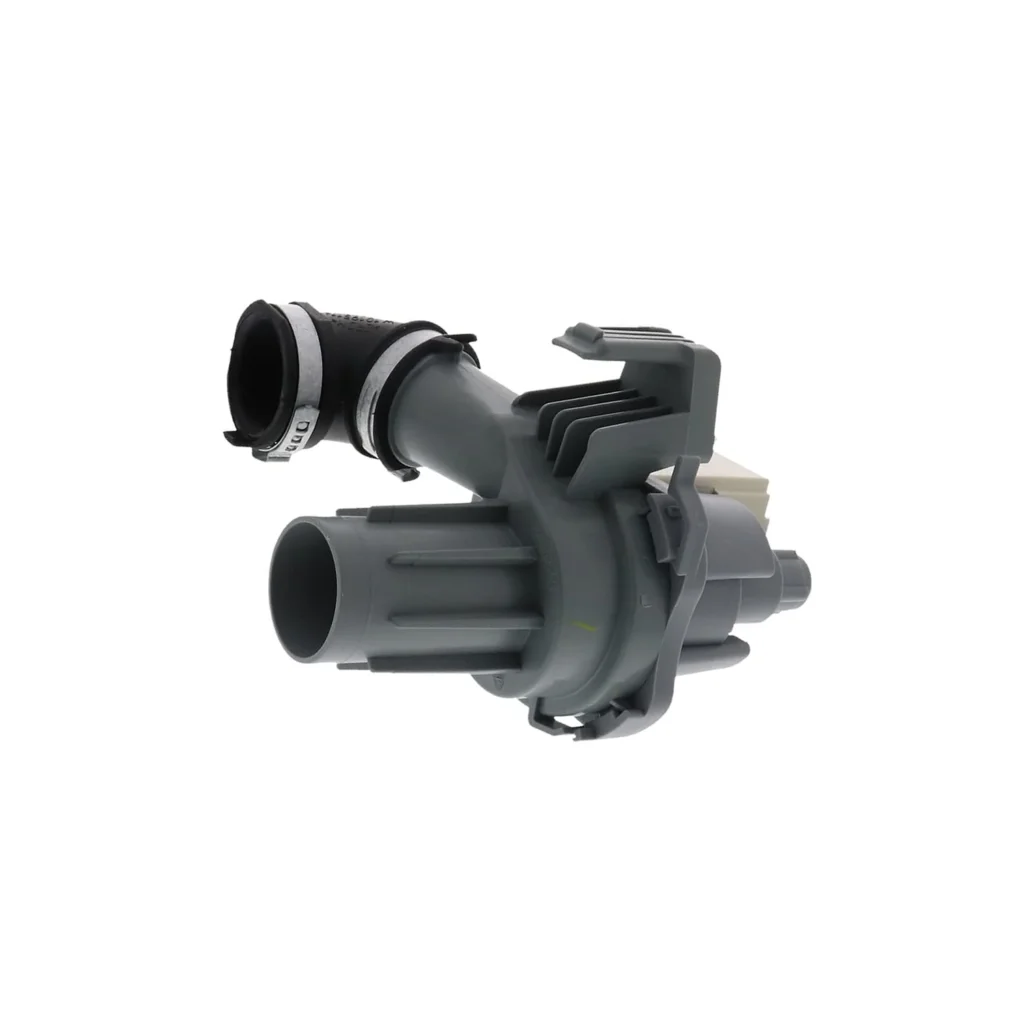
Most dishwasher circulation pumps fail between 7-10 years, but I've seen units like the WDF330PAHB4 and WDF520PADM9 give out at just 5 years because of hard water buildup and debris accumulation. The pump assembly (W11612326) isn't cheap at $68.99, so getting the full lifespan out of it makes financial sense.
Here's the reality: this pump moves hundreds of gallons of water every week through your dishwasher's spray arms. When food particles, mineral deposits, or detergent residue get into the system, the pump motor works harder. That extra strain shortens its life considerably.
How Long Should It Last?
Under normal conditions, the W11612326 circulation pump should last 8-12 years in models like the WDF130PAHW1, WDF330PAHS5, or WDF540PADM3. That's based on running 4-5 loads per week with proper maintenance.
What affects lifespan:
- Water hardness — Hard water above 7 grains per gallon accelerates mineral buildup on the impeller and seals
- Pre-rinsing habits — Excessive food debris clogs the pump chamber and strains the motor
- Detergent type — Powder detergents leave more residue than liquid or pods
- Load frequency — Running 10+ loads weekly increases wear proportionally
- Filter maintenance — A clogged filter forces the pump to work against resistance
I've replaced this exact pump in Maytag and KitchenAid units that were only 4 years old because homeowners never cleaned the filter. The pump didn't fail mechanically — it just couldn't overcome the blockage anymore.
Signs It's Wearing Out
The circulation pump doesn't just die overnight. You'll get warnings if you're paying attention:
Grinding or Humming During the Wash Cycle
When the pump starts making noise, something's jamming the impeller. Could be a piece of broken glass, a twist-tie, or hardened food buildup. On models like the WDF320PADW3, this sound starts faint and gets louder over weeks. Don't ignore it — running the pump with an obstruction burns out the motor faster.
Dishes Coming Out Dirty Despite Clean Filter
If your filter's spotless but dishes aren't getting clean, the pump's losing pressure. Worn seals or a damaged impeller reduce water flow to the spray arms. You'll notice this first on the top rack — cups and bowls don't get fully cleaned because there's insufficient water pressure reaching the upper spray arm.
Water Remaining in the Tub After Cycle Ends
A weak pump can't push water through the system efficiently. You'll find standing water at the bottom, especially in Whirlpool models like the WDF330PAHW4. This also happens when the pump seal starts leaking internally, reducing the pump's ability to create pressure.
Intermittent Operation or Mid-Cycle Stopping
The motor thermal protector trips when it overheats. If your WDF520PADW6 stops mid-wash and resumes after cooling, the pump motor's drawing too much current — usually from bearing wear or winding degradation. This is an end-of-life symptom.
Maintenance Schedule That Actually Works
You can't rebuild this pump — it's a sealed assembly. But you can dramatically extend its life with consistent attention to what goes into it.
After Each Load
Scrape plates before loading. You don't need to pre-rinse everything, but bones, fruit pits, and large food chunks shouldn't go in. The filter catches most debris, but some always gets past and hits the pump chamber.
Weekly Filter Check
Pull the lower rack, remove the cylindrical filter assembly (it twists out), and rinse it under the tap. Takes 30 seconds. I've seen pumps on Amana and Kenmore models last 15+ years when owners did this religiously.
Monthly Deep Clean
Remove the filter completely and check the sump area beneath it. Wipe out any sludge or debris accumulation. Use a flashlight — you'd be surprised what collects down there. Also run an empty cycle with a dishwasher cleaner or 2 cups of white vinegar to dissolve mineral deposits in the pump housing.
Quarterly Spray Arm Inspection
Pull off both spray arms and flush them under water. Poke a toothpick through each spray hole to clear mineral buildup. Clogged spray arms make the pump work harder because it's pumping against restricted flow.
When to Replace vs Maintain
Be honest about repair economics. If your dishwasher is 10+ years old and the pump fails, consider the total appliance replacement cost. A new mid-range dishwasher runs $600-800. You're looking at $69 for the W11612326 pump plus labor if you're not DIY-inclined.
Replace the pump if:
- The dishwasher is less than 8 years old
- Everything else works fine (controls, door latch, spray arms)
- You're comfortable doing the repair yourself or labor costs are reasonable
Replace the dishwasher if:
- It's 12+ years old with multiple previous repairs
- The tub is rusting or the door seal is failing
- Energy efficiency matters — newer models use 30% less water and energy
For models like the WDF130PAHB1 or WDF330PAHS3 that are 6-8 years old, replacing just the pump makes total sense. You'll likely get another 5-7 years out of the machine.
The Hard Water Problem
If you've got hard water, you're fighting calcium buildup on everything — including inside the pump housing where you can't see it. Consider installing a whole-house water softener or at least using a rinse aid religiously. That $4 bottle of rinse aid prevents way more than water spots — it helps keep minerals from depositing on pump components.
I've pulled pumps from dishwashers in hard water areas that were practically cemented shut with scale after just 6 years. Same pump in a soft water area? Still running smoothly at 12 years.
Frequently Asked Questions
Can I lubricate the circulation pump to make it last longer?
No. The W11612326 is a sealed assembly with permanently lubricated bearings. There's no access point for adding oil or grease. If you're hearing bearing noise, the pump needs replacement — adding lubricant isn't possible and wouldn't help anyway since the seals are likely compromised.
How do I know if it's the circulation pump or the drain pump failing?
The circulation pump runs during the wash and rinse cycles — it's what pushes water through the spray arms. The drain pump only runs at the end to empty the tub. If dishes aren't getting clean or you hear grinding during the wash cycle, that's the circulation pump. If water won't drain out at the end, that's the drain pump (different part entirely).
Will running vinegar through the dishwasher damage the pump seals?
White vinegar in normal concentrations (1-2 cups) won't hurt the seals on this pump. Run it through a full cycle, not just sitting in the tub. Don't use vinegar more than once a month though — excessive acid exposure can degrade rubber components over time. For regular maintenance, commercial dishwasher cleaners are pH-balanced and safer for frequent use.
Element showing wear?
W11612326 · Replace before it fully fails