
How to Extend Your Whirlpool Evaporator Fan Motor Life — W11578030 Maintenance Guide
Always unplug the refrigerator before accessing the evaporator fan motor. The fan compartment contains sharp metal edges from evaporator coils. Ice buildup can cause sudden blade release when defrosting.
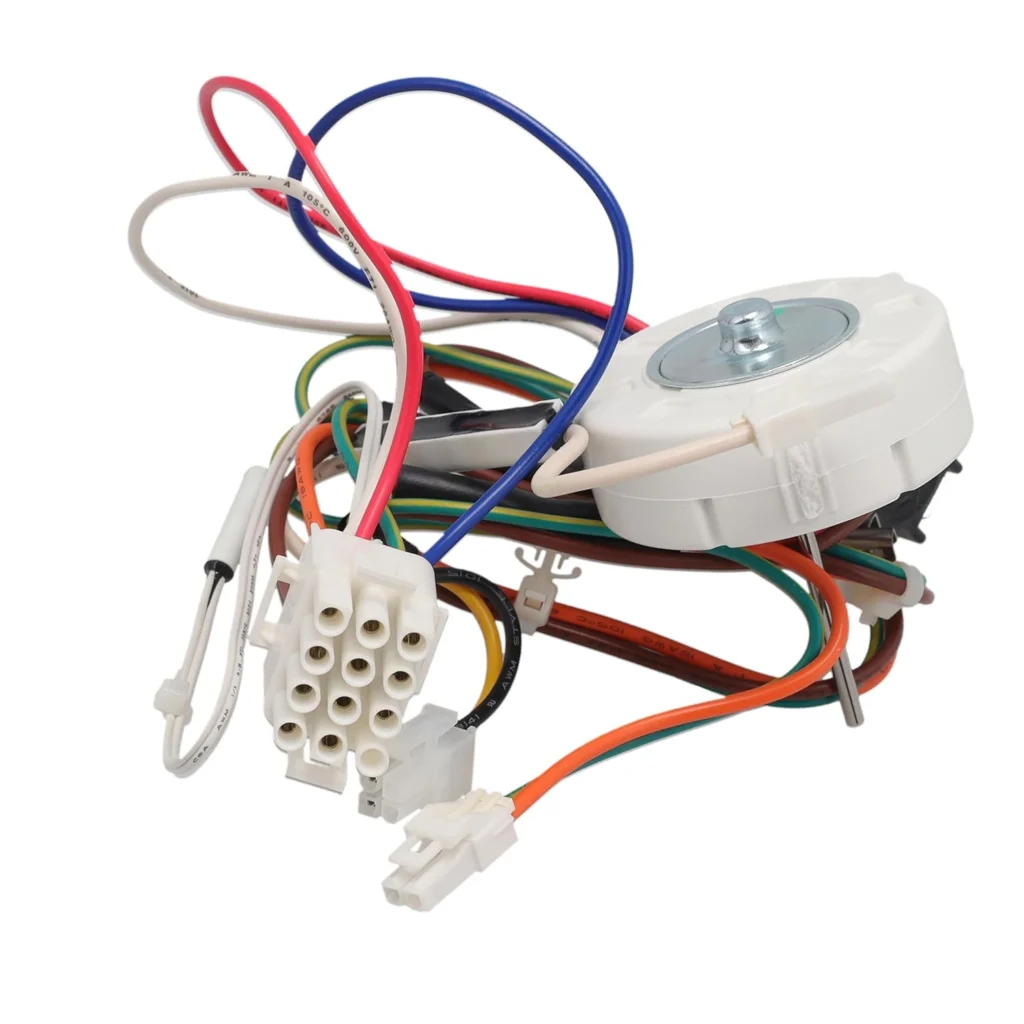
Most evaporator fan motors in Whirlpool, KitchenAid, and Maytag refrigerators are designed to last 8-12 years. But here's what actually happens: they fail after 4-6 years because nobody thinks about maintaining them until the fridge stops cooling properly. The W11578030 evaporator fan motor sits in the coldest, most moisture-prone part of your refrigerator — the freezer compartment. It's spinning constantly, 24/7, moving air across the evaporator coils. That's a tough job.
If you've got a WRF757SDHZ, WRF767SDHV, or any KRFF507 series KitchenAid, this motor replacement (part number W11578030, also known as W11402610 or AP7186685) will eventually be on your radar. But with proper maintenance, you can push it well past the decade mark.
How Long Should It Last?
Under normal conditions, the W11578030 should run for 8-12 years. But "normal conditions" is doing some heavy lifting there. What actually affects lifespan:
- Freezer door seal condition — Poor seals force the motor to run longer cycles as warm, humid air enters the freezer compartment
- Frost buildup frequency — Ice accumulation on the evaporator coils makes the motor work harder to push air through
- Condenser coil cleanliness — Dirty condenser coils mean longer cooling cycles, which means more motor runtime
- Ambient temperature — Garages and unheated spaces stress the cooling system
- How often you open the door — More openings = more runtime = shorter motor life
With consistent care, you're looking at 12-15 years from this motor. Without it? You'll replace it at year 5 and wonder why.
Signs It's Wearing Out
The evaporator fan motor doesn't just die without warning. It tells you it's struggling — you just need to know what to listen for.
The Motor Makes Grinding or Squealing Noises
This is bearing failure starting. You'll hear it most clearly when you open the freezer door and the fan stops momentarily, then restarts with a squeal or grinding sound. The bearings inside the W11578030 are lubricated from the factory, but they dry out over time, especially in the freezer's cold, dry environment. If you're hearing this on a WRF757SDHZ03 or similar model, you've got maybe 2-3 months before the motor seizes completely.
Frost Builds Up Faster Than Normal
When the fan motor slows down — even slightly — airflow across the evaporator coils decreases. That means frost accumulates in uneven patterns. You'll see heavy frost on one side of the coils, bare metal on the other. The freezer still works, but you're defrosting it every 3-4 weeks instead of never. That's a dying motor, not a defrost system problem.
The Refrigerator Section Isn't Cold Enough
The evaporator fan is what pushes cold air from the freezer down into the fresh food section. When the motor runs slow or intermittently, the fridge stays at 42-45°F instead of 37°F. Your milk spoils faster. Vegetables get limp. Meanwhile, the freezer is fine at 0°F. Classic evaporator fan issue on models like the KRFF507HBS or KRFF507HPS.
The Motor Runs Constantly Without Cycling Off
A healthy fan motor cycles with the compressor — on for 15-20 minutes, off for 10-15 minutes. If it's running nonstop, something's wrong. Either the motor is struggling to move enough air (worn bearings, blade damage), or the cooling system is overworking due to another issue. Either way, continuous operation burns out the motor windings faster.
When to Replace vs Maintain
Here's the honest decision framework: if your evaporator fan motor is making noise, it's too late for maintenance. Order the W11578030 now. Bearing noise means the bearings are already damaged — no amount of cleaning will fix that.
But if your motor is quiet and your fridge is cooling properly, maintenance will keep it that way. You're not "fixing" anything — you're preventing the conditions that kill these motors early.
Replace immediately if:
- You hear grinding, squealing, or clicking from the freezer
- The motor has stopped spinning entirely
- Ice buildup on the evaporator coils is blocking the fan blades
- The motor feels hot to the touch (sign of failing windings)
Maintain if:
- Everything's working fine but you want to prevent future problems
- Your refrigerator is 5+ years old and you've never done maintenance
- You're noticing minor frost buildup that goes away after defrosting
The W11578030 replacement costs $66.99. Regular maintenance costs you 20 minutes twice a year. Do the math.
Frequently Asked Questions
How often should I clean around the evaporator fan motor?
Every 6 months is the sweet spot for most households. More often if you've got pets (hair gets everywhere, even in the freezer compartment through air circulation), or if you live in a dusty environment. The goal is preventing dust and debris from accumulating on the motor itself and on the fan blade, which creates imbalance and bearing wear.
Can I oil the bearings to stop the squealing noise?
No. The W11578030 uses sealed bearings — there's no oil port, and trying to lubricate them usually just makes a mess and delays the inevitable. If it's squealing, the bearing seals have already failed and contaminants are inside. The motor needs replacement. Don't waste time with temporary fixes on a $67 part that's already failing.
Will a failing evaporator fan motor damage other refrigerator components?
Yes, indirectly. When the fan fails or runs inefficiently, the compressor runs longer cycles trying to maintain temperature. That shortens compressor life. Ice buildup from poor airflow can damage the defrost heater if it has to work overtime. And temperature fluctuations from inconsistent airflow can stress the temperature control board. A $67 fan motor failure can cascade into $400+ in additional repairs if ignored.
Element showing wear?
W11578030 · Replace before it fully fails