
How to Extend Your Whirlpool Dishwasher Heating Element Life — Maintenance Guide
Always disconnect power at the breaker before any maintenance or inspection. The heating element carries 240V in some models and can cause severe electrical shock.
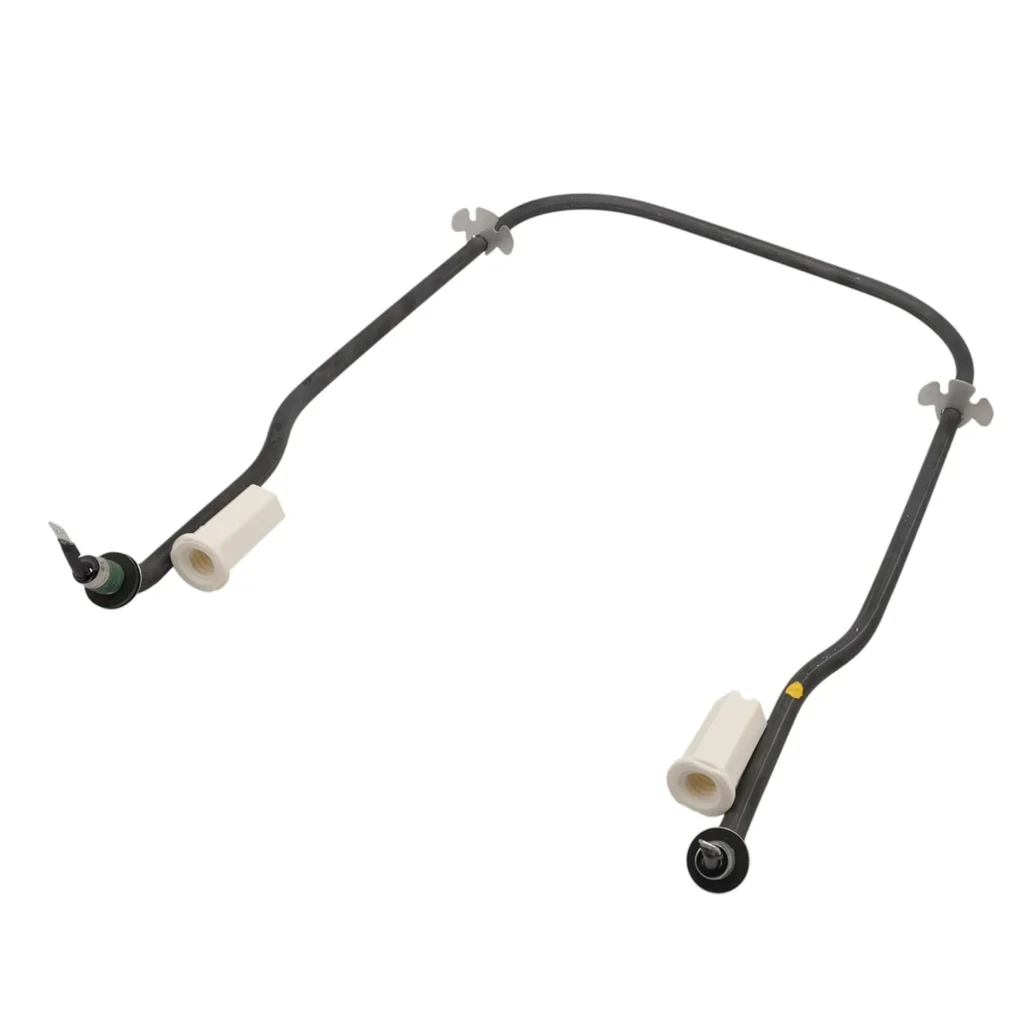
Most dishwasher heating elements fail between years 5 and 8, but I've seen units running strong at 12 years. The difference? Water quality and how hard the dishwasher works. If you're running heavy cycles daily with hard water, that element's working overtime — and calcium buildup becomes your enemy.
How Long Should It Last?
The W11537778 heating element assembly is built to handle roughly 3,000 to 4,000 heating cycles. Translate that to real life: if you run your dishwasher once daily, you're looking at 8–11 years under ideal conditions. But here's the catch — "ideal" rarely happens.
Hard water cuts that lifespan in half. Calcium deposits act like insulation, forcing the element to work harder and run hotter just to reach temperature. Eventually, hotspots form and the element burns through.
Models like the WDT750SAKW3, KDFE104KBL0, and MDB8959SKZ0 all use this same element design. The assembly includes both the heating element and high-limit thermostat — that's the safety device that shuts everything down if temperatures spike too high.
Signs It's Wearing Out
Your dishwasher tells you when the heating element's struggling. You just need to recognize the warnings.
Dishes Come Out Wet Every Time
If you're opening the door to soaking wet dishes — even after the full dry cycle — the element isn't generating enough heat. Early-stage failure often means the element still works, but it's weak. It might heat water during the wash cycle but can't sustain the 140–160°F needed for proper drying.
Tripped Breaker During Heated Dry
This one's serious. A heating element drawing too much current will trip your kitchen breaker, usually right when the dry cycle kicks in. This happens when the element develops a short to ground — often from calcium buildup creating a path through the insulation.
Visible Corrosion or White Crusty Buildup
Pull out your bottom rack and look at the element housing at the base of the tub. White, chalky deposits mean hard water's been attacking the metal. Brown or greenish corrosion? That's moisture getting where it shouldn't, and the element's days are numbered.
Longer Cycle Times
Dishwashers are smart. If the element can't heat water fast enough, the control board extends the cycle trying to reach target temperature. A wash cycle that used to take 90 minutes now runs two hours? Weak heating element.
Maintenance That Actually Works
Monthly Descaling Prevents 80% of Failures
Run an empty cycle with two cups of white vinegar once a month. That's it. The acidity breaks down calcium before it becomes armor plating on your element. For severe hard water (over 180 ppm), use a commercial descaler like Affresh every other month instead.
Check the High-Limit Thermostat
That little disc attached to the element assembly? It's your safety net. If it trips, the dishwasher won't heat at all. Sometimes it's doing its job because something else is wrong. Other times, it's failed closed. You can test it with a multimeter — should show continuity at room temperature, open circuit above 180°F.
Don't Overload Detergent
Excessive suds from too much detergent can actually coat the element, reducing heat transfer. Use what the manufacturer recommends — usually one tablespoon for soft water, two for hard. More doesn't mean cleaner.
Filter Maintenance Matters More Than You Think
A clogged filter forces the pump to work harder, which means longer cycle times and more stress on the heating element. Clean your filter weekly. Takes 30 seconds. Twist it out, rinse under the tap, pop it back in.
When to Replace vs Maintain
Here's the honest truth: if your element's showing visible damage or you've got a multimeter reading showing it's open (no continuity), maintenance won't help. Replace it.
But if you're catching early warning signs — slightly damp dishes, cycles running a bit longer — aggressive descaling can buy you another year or two. I've seen elements revive after three vinegar cycles in a row.
The W11537778 replacement runs $57.99, and installation takes about 45 minutes if you've got basic tools. Compare that to a $600+ service call, and suddenly preventive maintenance looks pretty smart.
For models like the WDTA50SAKZ0, WDT970SAKZ0, or any KitchenAid KDFE series, this part's considered a wear item. Budget for replacement every 8–10 years as routine maintenance, not an emergency repair.
The Water Quality Factor
Can't control your water? Install a whole-house softener or at minimum, a kitchen-specific system. The upfront cost pays for itself in appliance longevity. I've worked on identical dishwashers — one in a soft water area at 15 years old with the original element, another in hard water territory that needed its third element at year 9.
If a softener's not happening, double down on monthly descaling and consider adding a rinse aid. It helps water sheet off dishes faster, meaning less work for the heating element during dry cycles.
Frequently Asked Questions
Can I test the heating element without removing it?
Yes. Disconnect power, access the element terminals at the base of the tub, and test with a multimeter. Should read 15–30 ohms between terminals, infinite ohms to ground. Outside those ranges? It's failed or failing.
Will using rinse aid extend element life?
Indirectly, yes. Rinse aid reduces surface tension, so water drains faster and the heating element doesn't have to work as long during the dry cycle. Less runtime means less wear. Keep the rinse aid dispenser filled.
My dishwasher's only three years old but the element failed — is that normal?
Not normal, but it happens with severe hard water or if you're running multiple heavy cycles daily. Check your water hardness. Anything over 200 ppm is attacking that element every single cycle. Also verify you're not overfilling detergent — excess suds can cause the element to overheat.
Element showing wear?
W11537778 · Replace before it fully fails