
How to Extend Your Whirlpool Dishwasher Detergent Dispenser Life — Maintenance Guide
Always disconnect power before inspecting dispenser. Rinse aid is corrosive—avoid skin contact and clean spills immediately.
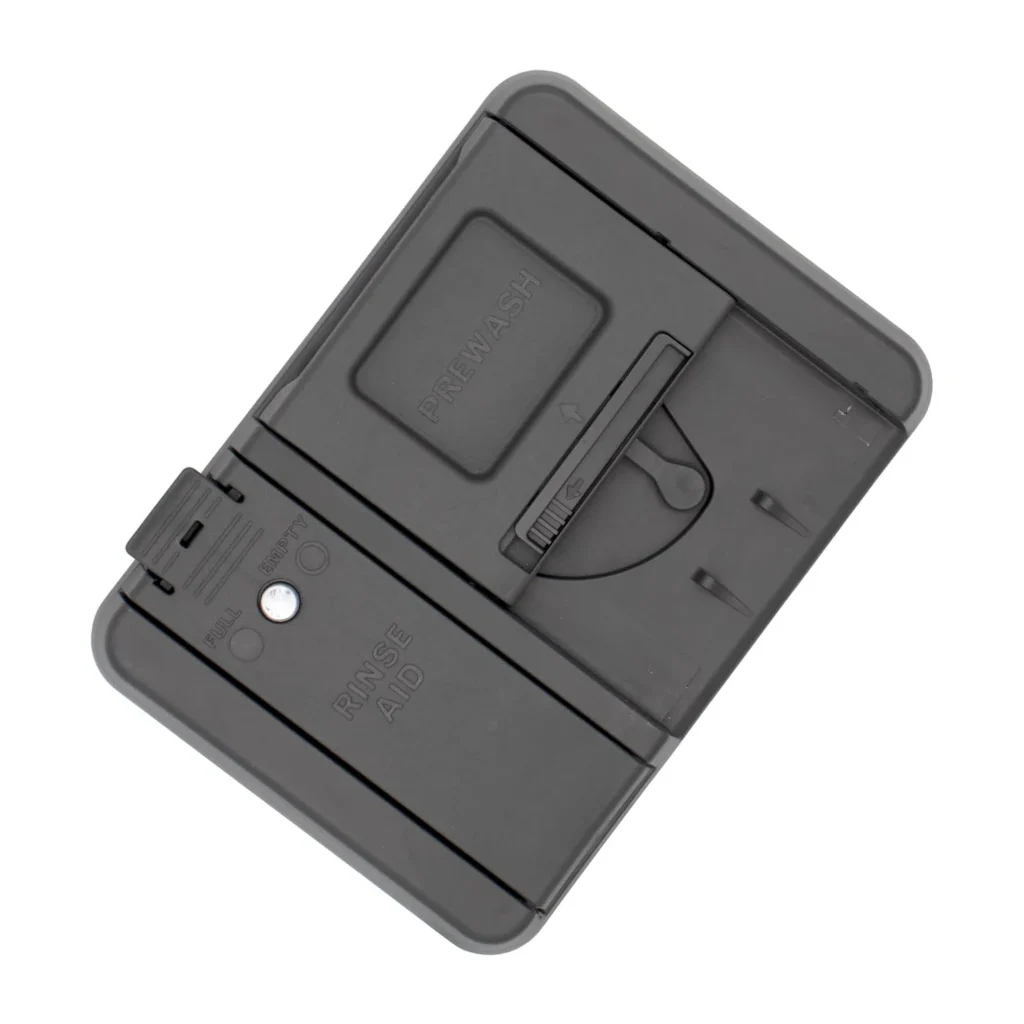
Most dishwasher detergent dispensers should last 8-10 years, but the average replacement happens around year 5. The W11412300 dispenser assembly—used across Whirlpool, Maytag, KitchenAid, and Jenn-Air models like the WDT750SAKZ0 and MDB4949SKZ0—fails prematurely because of one thing: detergent buildup turning into cement.
Here's what actually kills these dispensers: liquid detergent pooling in the wrong spots, powder turning into rock-hard deposits, and rinse aid residue gumming up the mechanism. Let's talk about keeping yours working until it's actually supposed to fail.
How Long Should It Last?
The W11412300 dispenser is rated for approximately 2,500-3,000 wash cycles. If you run your dishwasher once daily, that's 7-8 years of operation. Most people replace them between years 4-6.
What affects lifespan:
- Detergent type: Powder detergents create more buildup than pods or liquid—especially in hard water areas
- Water hardness: Hard water accelerates mineral deposits that lock up the spring mechanism
- Rinse aid quality: Cheap rinse aids contain more residue-forming ingredients
- Temperature: Low-temperature wash cycles don't fully dissolve detergent, leading to accumulation
- Overfilling: Using more detergent than needed creates excess residue in the dispenser cavity
The dispenser mechanism relies on a spring-loaded door and a bi-metal actuator. When detergent residue builds up around these moving parts, the door sticks partially open or won't release detergent at the right time.
Signs It's Wearing Out
The W11412300 doesn't fail suddenly—it gives you warnings. Here's what to watch for:
Detergent Door Won't Open Completely
You'll notice the detergent cup is still partially full after a cycle. The spring mechanism is sticky from buildup. When you manually flip the door open, it feels stiff or doesn't snap shut cleanly. This is the #1 early warning sign.
White Crusty Deposits Around the Dispenser
Hardened detergent and mineral deposits form around the door seal and inside the rinse aid compartment. If you can scrape off white or yellowish chunks with your fingernail, the dispenser is already compromised. These deposits prevent proper sealing and timing.
Rinse Aid Leaking Into the Tub
You spot blue or clear liquid pooling at the bottom of the dishwasher before starting a cycle. The rinse aid cap seal has degraded or the dispenser housing has hairline cracks. Once this starts, it accelerates—rinse aid is corrosive to plastic components.
Dishes Coming Out with Detergent Residue
White film or gritty powder on your dishes means detergent isn't dispensing at the correct wash cycle phase. Either the door is opening too early (dumping detergent during pre-rinse) or too late (missing the main wash entirely).
Maintenance Schedule That Actually Works
Here's the reality: nobody's going to maintain their dishwasher dispenser weekly. But these three checkpoints will double your dispenser's lifespan.
After Each Use (5 Seconds)
When unloading, glance at the dispenser. Door should be fully open and dry. If there's wet detergent residue, wipe it out with a damp cloth right then. Takes literally five seconds and prevents 90% of buildup issues.
Monthly Deep Clean
Remove the rinse aid cap and use a toothbrush with white vinegar to scrub the detergent cup, door hinge, and rinse aid opening. Pay attention to the spring mechanism under the door—that's where powder turns to concrete. Run one empty cycle with a cup of white vinegar in the bottom rack to flush residue.
Every 3-6 Months
Check the rinse aid cap gasket for cracks or hardening. These rubber seals cost $3 to replace separately and prevent $63 dispenser replacements. Also inspect the bi-metal actuator arm visible behind the dispenser—if it's corroded or has white buildup, clean it with vinegar on a cotton swab.
When to Replace vs Maintain
Be honest about this decision. If your dispenser door won't close anymore, the plastic housing is cracked, or you've found rinse aid leaking multiple times, you're past maintenance. Order the W11412300 replacement.
But if you're just seeing early buildup, crusty edges, or occasional sticky operation—you can bring it back. Soak the entire dispenser area with white vinegar for 30 minutes, scrub with a soft brush, and test the door action. If it snaps cleanly, you bought yourself another year or two.
Here's the replacement threshold: if cleaning doesn't restore smooth door operation after two attempts, or if the spring feels weak even when clean, replace it. Fighting a worn-out dispenser wastes detergent and ruins wash quality.
Water hardness matters: If you have hard water (above 7 grains per gallon), install a whole-house softener or use a rinse aid specifically formulated for hard water. This single change can extend dispenser life from 5 years to 10 years.
What Kills Dispensers Faster Than Anything
Overfilling. Period. The detergent cup has a fill line—it's there for a reason. Excess detergent doesn't make dishes cleaner; it creates residue that hardens in the mechanism. Use the minimum amount that gets your dishes clean, not the maximum the cup can hold.
Second culprit: leaving wet detergent in the cup between cycles. If you pre-load detergent hours before running the dishwasher, moisture from humidity can start the clumping process. Load detergent right before you start the cycle.
Frequently Asked Questions
Can I use vinegar in the rinse aid compartment instead of commercial rinse aid?
Short answer: no. Vinegar is too acidic for the rubber seals and plastic components in the W11412300 dispenser. It'll cause the cap gasket to deteriorate faster. Use actual rinse aid, but you can use less than the dispenser recommends—start at the lowest setting and increase only if you see water spots.
How do I know if my dispenser is compatible with pods vs powder vs liquid?
The W11412300 works with all three types, but pods are easiest on the mechanism. They don't leave residue buildup like powder, and they don't leak like liquid can if the door seal is slightly compromised. If you're seeing buildup issues with powder, switching to pods often solves it without any other changes.
Why does my dispenser open during the dry cycle instead of the wash cycle?
This is a timer or control board issue, not the dispenser itself. The W11412300 is controlled by your dishwasher's main board—when to fire the bi-metal actuator that opens the door. If timing is off, diagnose the control board on models like WDT750SAKZ0 or WDTA50SAKZ1. The dispenser is just following bad instructions from the brain.
Element showing wear?
W11412300 · Replace before it fully fails