
How to Extend Your Whirlpool Washer Lid Lock Life — Maintenance Guide
Never attempt to force the lid open when locked. Always press pause and wait for automatic unlock to prevent damaging the locking mechanism.
Most Whirlpool washer lid locks fail between years 3 and 5. That's frustrating considering they should easily last 8-10 years. The difference? How you treat the lock during those thousands of wash cycles.
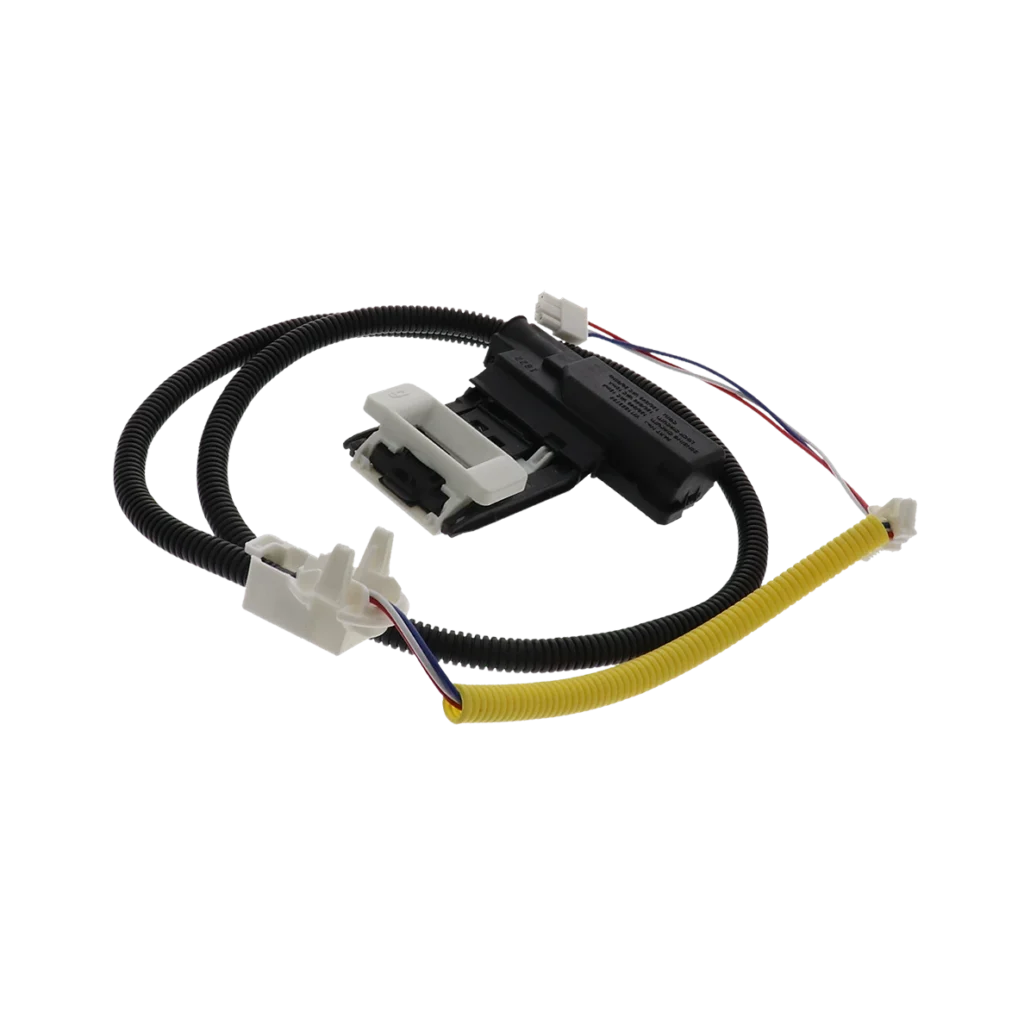
The W11307244 lid lock assembly controls whether your WTW5000DW1, WTW4816FW2, or any compatible Whirlpool top-loader can start spinning. When it fails, your washer sits there humming but won't agitate. Let's talk about keeping that from happening.
How Long Should It Last?
Under normal conditions, your lid lock should handle 10-15 years of service. That's roughly 3,000-4,500 wash cycles. But here's what kills them early:
- Slamming the lid — creates micro-fractures in the plastic striker
- Forcing it open mid-cycle — strips the locking mechanism
- Moisture buildup — corrodes the electrical contacts inside
- Detergent residue — gums up the moving parts
Most failures happen because someone got impatient and yanked the lid while the lock was engaged. The mechanism isn't designed for that kind of force.
Signs It's Wearing Out
Lid locks don't usually fail overnight. They give you warnings:
The Lid Doesn't Click Firmly Anymore
When you close the lid on your WTW4850HW0 or WTW4955HW1, you should hear a definite click. If that sound becomes softer or inconsistent, the striker plate is wearing down. The lock still works, but it's on borrowed time.
Delayed Lock Engagement
You press start, and there's a 5-10 second pause before the lock engages. Normal engagement happens within 2 seconds. This delay means the solenoid is struggling — either from weak electrical connections or mechanical resistance inside the assembly.
Error Codes or Flashing Lights
Your washer displays F5 E2, F8 E1, or the lid lock light blinks continuously. These codes specifically point to lock communication issues. Sometimes it's just a loose wire connection, but often it's the lock assembly itself losing signal strength.
Intermittent Operation
The lock works fine for three loads, then fails on the fourth. This on-and-off behavior indicates internal contacts that are corroding. They make connection when conditions are just right (temperature, humidity, vibration angle), but it's not reliable.
Maintenance That Actually Works
Here's what extends lid lock life in real-world conditions:
Monthly Wipe-Down
Open the lid and look at the striker — that plastic tab on the lid that inserts into the lock. Wipe it down with a dry cloth. Remove any detergent film, fabric softener residue, or lint buildup. Takes 30 seconds.
While you're there, inspect the lock housing. If you see white crusty deposits (dried detergent), clean them with a slightly damp cloth. Don't spray anything directly into the lock mechanism.
Proper Lid Closing Technique
Don't slam it. Don't baby it either. Close the lid with normal force — just enough for it to latch. The lock mechanism is designed for consistent, moderate force. Extreme gentleness makes people second-guess if it latched, so they open and close repeatedly (wearing it out). Slamming it cracks internal components.
Never Force It Open Mid-Cycle
If you need to stop the washer during a cycle, press pause and wait for the unlock. On models like the WTW4616FW2 or WTW4715EW2, this takes 10-15 seconds. Forcing it open while locked will strip the mechanical stop inside the assembly. There's no fixing that — you'll need a new lock.
Address Power Surges
Lid locks contain electronic components that don't love voltage spikes. If you live in an area with frequent power fluctuations, plug your washer into a surge protector rated for appliances. Yes, it's an extra $30, but it's cheaper than replacing this lock.
When to Replace vs Maintain
Be honest about what you're dealing with:
Replace if:
- The lid won't lock at all — maintenance won't fix a dead solenoid
- You see visible cracks in the plastic housing
- The striker plate on the lid is physically broken or bent
- You're getting error codes after cleaning and checking connections
Maintain if:
- Everything works but feels slightly different than it used to
- You've been rough with the lid and want to prevent future damage
- You're approaching year 3-4 of ownership (preventive care)
One critical note from the manufacturer: the W11307244 might arrive in the locked position. Don't panic. Install it, power up the washer, and let it reset to open position automatically. Trying to manually unlock it before installation can damage internal components.
Frequently Asked Questions
Can I lubricate the lid lock mechanism?
No. Don't spray WD-40, silicone, or anything else into the lock assembly. These locks are sealed units with electrical components. Lubricant attracts dust, creates residue, and can cause shorts. If the mechanism feels sticky, that's a sign it needs replacement, not lubrication.
Why does my lid lock work fine in summer but fails in winter?
Temperature affects the plastic components and electrical contacts. Cold makes plastic more brittle and can cause micro-contractions that temporarily break electrical connections. If this is happening, the lock is already compromised — the temperature is just making it obvious. Plan for replacement before it fails completely.
Is it normal for the lock to stay engaged for a minute after the cycle ends?
Yes, for most Whirlpool models including the WTW5000DW2 and WTW4810EW1. The control board keeps the lock engaged briefly to ensure the basket has completely stopped spinning. If it stays locked for more than 3-4 minutes after cycle completion, that indicates a control board communication issue, not necessarily a bad lock.
Element showing wear?
W11307244 · Replace before it fully fails