
How to Extend Your Whirlpool Range Control Knob Life — Maintenance Guide
Never force a stuck control knob — always remove and clean it. Forcing it can strip the internal grips and damage the valve stem underneath, turning a simple knob replacement into an expensive valve assembly repair.
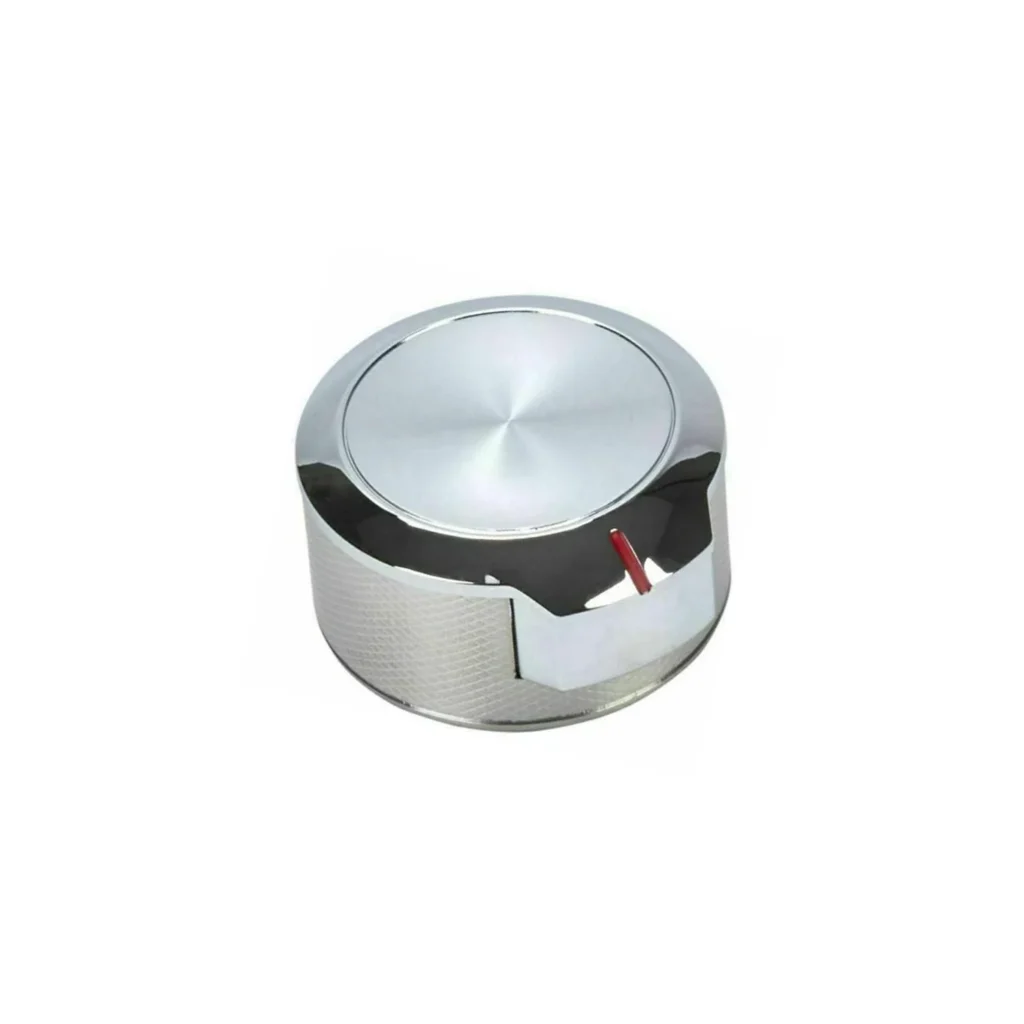
Here's something most people don't think about until it's too late: those control knobs on your KitchenAid or Whirlpool range take more abuse than almost any other part. You grab them with greasy fingers after handling chicken, twist them dozens of times a day, and they sit right in the splash zone when pots boil over. Yet with minimal care, a $10 knob like the W11156487 can outlast your range itself.
The difference between a knob that lasts 15 years and one that fails in 3? About five minutes of attention every month.
How Long Should Control Knobs Last?
In normal use, quality control knobs should last the lifetime of your range — we're talking 12-20 years. The W11156487 fits dozens of KitchenAid models including the KFED500ESS05, KFED500EWH05, and KFED500EBS series, and these knobs are engineered to handle thousands of twist cycles.
But here's what actually happens: the average homeowner replaces control knobs every 4-6 years. Not because they wear out mechanically, but because the markings fade, grease works into the mechanism, or heat warps the plastic stem connection.
The biggest lifespan factor? Whether food residue gets inside the shaft hole. Once grease migrates past the face plate, it acts like an adhesive mixed with grit — every turn grinds it deeper until the knob either sticks or the internal grip points strip out.
Signs Your Control Knob Is Wearing Out
Don't wait for complete failure. Watch for these specific warning signs on your KitchenAid or Whirlpool range:
The Knob Spins Without Catching
You turn it but feel no resistance, or it rotates past the normal stopping points. This means the D-shaped shaft socket inside has worn round — usually from forcing a stuck knob instead of cleaning it first. Once this starts, it accelerates fast because the knob wobbles with each turn, grinding the socket walls further.
Sticky or Inconsistent Resistance
It turns smoothly cold, then gets sticky after cooking. Or you feel a crunchy resistance at certain positions. That's caramelized food residue inside the mechanism. This is the number one reason people damage knobs — they force them through the sticky spots rather than removing and cleaning them.
Faded or Illegible Markings
When you can't read "HI" or "SIMMER" anymore, you're guessing at settings. This seems cosmetic but creates real problems — you overheat pans because you thought you were on medium, or can't replicate temperatures for recipes. The W11156487 has printed markings that fade from repeated cleaning with harsh chemicals.
Heat Damage Around the Base
Look for discoloration, warping, or a melted appearance where the knob meets the control panel. This happens when large pots reflect heat back toward the controls, or when all four burners run simultaneously for extended periods. Heat-damaged plastic loses structural integrity — even if it still functions, failure is imminent.
The Monthly 5-Minute Maintenance Routine
Pull each knob straight off — they're friction-fit on KitchenAid and Whirlpool models. Wipe the exposed shaft with a barely-damp cloth (not dripping — water inside the control assembly causes corrosion). Clean the back of the knob and the shaft socket with a cotton swab dipped in dish soap solution.
Here's the trick nobody tells you: after cleaning, let everything air-dry for 10 minutes before reinstalling. Putting wet knobs back traps moisture against the control panel, which creates the exact conditions for residue buildup you're trying to prevent.
For the knob face, use only mild dish soap and water. Skip the Windex, 409, or anything with ammonia — those chemicals gradually dissolve the printing. Pat dry with a soft cloth, don't scrub.
When to Replace vs Maintain
If the knob still fits snugly and turns the burner through all settings, keep maintaining it. Even faded markings aren't a dealbreaker if you know your range's layout.
Replace immediately if: the internal socket is stripped (spins freely), the plastic is cracked or broken, or you smell melted plastic when the range is on. These conditions won't improve and can actually damage the valve stem itself, turning a $10 knob replacement into a $200 valve replacement.
For models like the KFED500ESS06 or YKFED500EBS series, the W11156487 is a direct fit replacement that takes 30 seconds to install — literally pull off the old one and push on the new one. There's no reason to live with a damaged knob.
What Actually Kills These Knobs
Boilover damage accounts for about 60% of premature knob failures. When starchy pasta water or sugary sauces boil over, liquid runs down the cooktop and pools around the knob bases. If you don't clean it within a few hours, it hardens into a cement-like residue that's nearly impossible to remove without damaging the knob.
The second biggest killer? Forcing stuck knobs. If it doesn't turn easily, the solution is never to grip it harder. Pull it off, clean everything, then reinstall. Forcing it strips the internal grips and rounds out the D-shaped socket.
Third: using the knobs as handles to move the range. Seriously — I've seen dozens of knobs with stress cracks from people grabbing them to pull the range away from the wall. The knobs aren't structural parts.
Frequently Asked Questions
Can I put control knobs in the dishwasher?
Technically yes, but don't. The high heat and harsh detergent will fade the markings faster than anything else you can do. The time you save isn't worth replacing knobs twice as often. Hand wash takes 60 seconds per knob.
How do I prevent knobs from getting hot during cooking?
Use appropriately-sized pots for each burner — oversized cookware reflects heat back toward the controls. When using multiple burners, alternate which ones you use rather than running all front burners simultaneously. If knobs are regularly too hot to touch, you need better pan-to-burner matching or a range with better heat shielding.
Will aftermarket knobs like the W11156487 last as long as original parts?
The W11156487 is manufactured to OEM specifications and replaces the original W10823529 — it's the same part with an updated part number. Quality is identical. Where aftermarket parts sometimes differ is in the printing durability, but proper cleaning technique (mild soap only) eliminates that concern. The mechanical function and fit are equivalent to factory originals.
Element showing wear?
W11156487 · Replace before it fully fails