
How to Extend Your Whirlpool Ice Maker Life — W10873791 Maintenance Guide
Always turn off water supply to the refrigerator before performing maintenance. Disconnect power before inspecting internal components. Standing water in the freezer can create slip hazards.
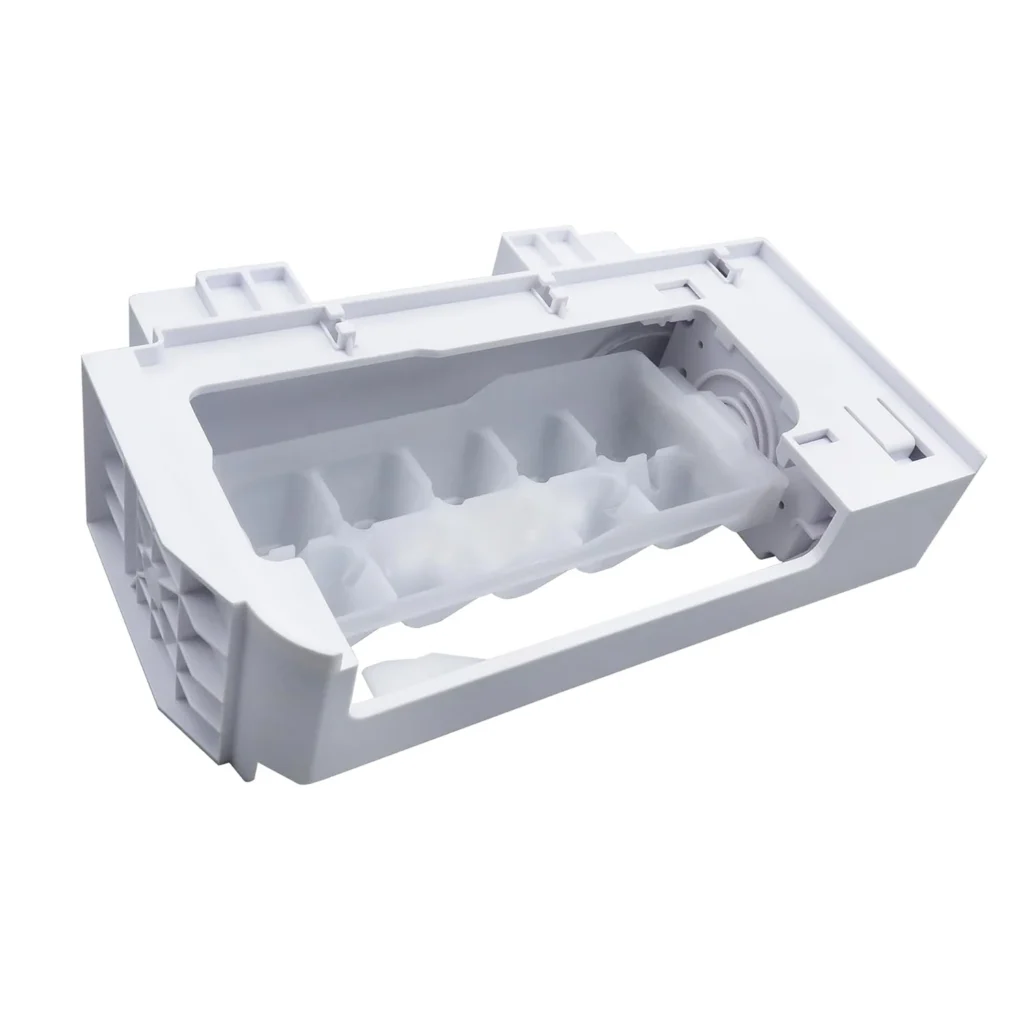
Most Whirlpool ice makers like the W10873791 should last 5-7 years, but I've seen plenty fail at the 3-year mark. The difference? Usually comes down to water quality and a few simple maintenance habits most people skip.
This assembly works across Whirlpool, KitchenAid, Maytag, and Kenmore models — including the WRS571CIHZ, KRSC703HPS, and hundreds of others. Whether you've got a side-by-side or French door, the maintenance routine stays the same.
How Long Should It Last?
Under ideal conditions, the W10873791 ice maker assembly can run 6-8 years. But here's what actually happens: hard water deposits build up on the fill valve and mold arm, calcium clogs the water line, and the motor works harder until something gives.
The most common casualties? The fill valve starts dripping (you'll notice leaking under the ice maker), or the motor seizes up and stops cycling entirely. I've replaced dozens of these where the homeowner never once cleaned the water filter or inspected the fill tube.
With proper care, you're looking at 7-10 years of reliable ice production. Without it, expect problems by year three.
Signs It's Wearing Out
Your ice maker will usually warn you before it fails completely. Pay attention to these early indicators:
Ice Maker Not Making Ice (But Everything Else Works)
This is the big one. If your freezer's cold but you're getting zero ice, the W10873791 is likely on its last legs. Could be the water inlet valve stuck shut, the mold thermostat failing to signal the harvest cycle, or the motor itself dying. Don't ignore this — it won't fix itself.
Ice Maker Won't Dispense Ice (But It's Making It)
You hear the motor trying, but nothing drops. Usually means the ejector blades are jammed with ice buildup or the motor's stripped a gear. Sometimes it's just frozen together from a leak, but often it's mechanical wear inside the assembly.
Leaking Water Under or Around the Ice Maker
See water pooling in the bottom of your freezer? The fill valve inside the W10873791 assembly might be worn out and not shutting off completely. Or there's a crack in the ice mold. Either way, this leads to ice buildup that'll eventually jam the whole mechanism.
You might also notice smaller cubes than normal, hollow cubes, or cycles taking twice as long. These are all signs the assembly's struggling.
Monthly Maintenance Checklist
Here's what'll keep your W10873791 running past its expected lifespan:
Every month: Empty the ice bin completely and wipe it down with warm water. Check for any frost buildup around the ice maker housing — this restricts airflow and makes the motor work harder.
Every 3 months: Inspect the water line connection at the back of the fridge. Look for moisture, mineral deposits, or kinks. Replace your refrigerator's water filter if it's been 6 months (even if the indicator light hasn't triggered).
Every 6 months: Turn off the ice maker for 24 hours and let everything thaw. This prevents slow ice buildup in places you can't see. Clean the ice chute and dispenser area with a vinegar solution to prevent mold.
Water Quality Makes or Breaks It
If you've got hard water, you're fighting an uphill battle. Those white calcium deposits don't just look bad — they restrict water flow and force the fill valve to work overtime. I've pulled W10873791 assemblies that were completely caked in mineral buildup after just two years.
Your options: install a whole-house water softener, use a high-quality inline filter specifically rated for hard water, or plan on replacing this part more often. There's no way around it.
When to Replace vs Maintain
Be honest about what you're dealing with. If your ice maker's already leaking and not making ice, no amount of cleaning will fix failed internal components. The W10873791 is a sealed assembly — you can't rebuild it.
Replace when:
- You see active leaking from the assembly itself (not just the water line)
- The motor runs but nothing cycles
- You're getting zero ice despite good water pressure and a new filter
- There's visible cracking in the ice mold housing
Keep maintaining when:
- Ice production's just slower than normal
- You're getting occasional jams but it still works
- The unit's under 4 years old with no major symptoms
The W10873791 retails for around $81, which is reasonable for an OEM assembly that fits dozens of Whirlpool, KitchenAid, Maytag, and Kenmore models. If you're at the 6-year mark and starting to see issues, replacement makes more sense than chasing problems.
Frequently Asked Questions
How often should I clean my Whirlpool ice maker?
Empty and wipe the ice bin monthly. Deep clean the assembly and water lines every 6 months. If you've got hard water or well water, bump that to every 3-4 months. The cleaner you keep it, the longer the W10873791 will last.
Why does my ice maker leak water into the freezer?
Usually the fill valve inside the assembly isn't closing completely, or there's a crack in the ice mold itself. Sometimes it's just a frozen water line that's backing up, but if you're seeing consistent leaking around the W10873791, the assembly's likely failing internally and needs replacement.
Can I just turn off the ice maker if I don't use it much?
Yeah, but run it at least once a month even if you dump the ice. Letting it sit completely idle for months causes seals to dry out and water lines to develop buildup. If you're going on vacation for more than a few weeks, turn off the water supply and empty the bin completely.
Element showing wear?
W10873791 · Replace before it fully fails