
How to Extend Your Whirlpool Dishwasher Pump Filter Life — W10872845 Maintenance Guide
Always disconnect power before removing filter. Check for broken glass or sharp objects before reaching into sump area. Never force the filter if it's stuck — soak with hot water first.
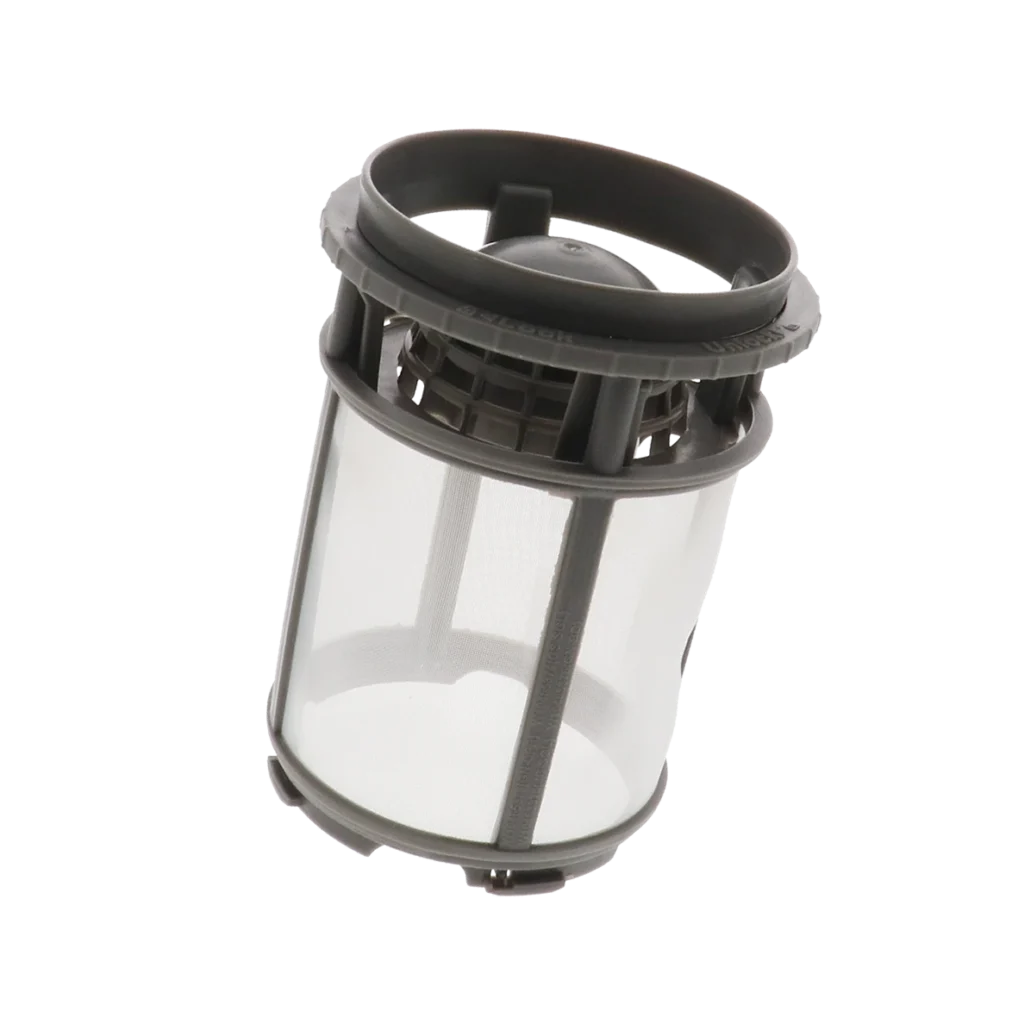
Here's what most people don't realize about dishwasher pump filters: they're designed to last 8–10 years, but trapped debris and hard water deposits cut that lifespan in half. The W10872845 pump filter sits at the bottom of your Whirlpool, KitchenAid, or Maytag dishwasher, catching everything from broken glass to plastic fork tines — and it quietly does this job until something clogs or breaks.
I've pulled dozens of these filters from units like the WDT780SAEM2 and WDT970SAHV0, and the pattern is always the same: homeowners run their dishwashers for years without checking what's accumulating down there. Then one day, dishes come out dirty, there's standing water in the tub, or the unit starts making a grinding noise that sounds like rocks in a blender.
How Long Should Your Pump Filter Last?
The W10872845 filter assembly should give you 8–10 years of service under normal conditions. That's based on running 4–5 loads per week with proper pre-rinsing and regular cleaning. But "normal conditions" is doing a lot of work in that sentence.
What actually affects lifespan:
- Hard water: Mineral deposits build up on the mesh screen, restricting flow and putting extra strain on the pump motor
- Food debris: Bones, fruit pits, and coffee grounds create blockages that force the pump to work harder
- Cleaning frequency: Filters checked monthly last twice as long as those ignored for years
- Detergent type: Excessive suds from regular dish soap (not dishwasher detergent) can gum up the filter mechanism
- Load size: Consistently overloading prevents proper spray coverage and sends more debris to the filter
With proper maintenance, you can push that lifespan to 12–15 years. Without it, you're looking at replacement in 3–5 years, often with pump motor damage as a bonus.
Signs Your Filter Is Wearing Out
The W10872845 doesn't fail suddenly — it gives you warnings. Here's what to watch for:
Standing Water After Cycle Completes
If you open your WDT920SADM2 or WDT750SAHZ0 and find a puddle at the bottom, the filter is probably clogged. Water can't drain through the mesh when it's packed with debris. You'll see anywhere from a quarter-inch to two inches of water sitting there, often cloudy or greasy.
This happens gradually. First it's just a bit of moisture, then a small puddle, then enough water to splash when you open the door. Don't wait for stage three.
Grinding or Rattling During Drain Cycle
That sound means something's caught in the filter assembly or the filter itself is damaged. Common culprits: popcorn kernels, twist ties, bottle caps, broken glass, and grape stems. The pump tries to push water through, encounters resistance, and the trapped object rattles around.
Sometimes you'll also hear a high-pitched whine — that's the pump motor straining against a partial blockage. Left unchecked, this burns out the pump motor, turning a $42 filter replacement into a $200+ pump and filter job.
Dishes Come Out With Film or Food Particles
When the filter can't do its job, dirty water recirculates during the wash cycle. You'll notice a greasy film on glassware, food particles stuck to plates, or a sour smell when you open the door. This is especially common on the upper rack — the spray arm can't generate proper pressure when water flow is restricted.
Check your filter before blaming your detergent.
Visible Cracks in the Filter Housing
The plastic housing on the W10872845 can crack from thermal stress or impact damage. Look for hairline cracks around the twist-lock mechanism or at the base where it seats into the sump. Even small cracks let unfiltered debris pass through to the pump.
Mesh Screen Is Permanently Deformed
The fine mesh screen should lay flat. If it's bulging, torn, or has permanent creases, it won't seal properly. This usually happens from forcing stuck items out instead of soaking the filter first.
When to Replace vs Maintain
Here's the honest decision framework:
Clean and keep using if:
- The mesh screen is intact with no tears or permanent deformation
- The plastic housing has no cracks or stress marks
- The twist-lock mechanism still engages firmly
- You can remove buildup with hot water and a soft brush
Replace immediately if:
- You see any cracks in the housing, even hairline ones
- The mesh screen is torn or has holes
- The filter won't lock into place properly
- You've found the pump motor making noise (damage may already be done)
- There's visible warping from heat damage
The W10872845 costs $41.99. A new pump motor costs $150–250 plus labor. Don't be penny-wise and pound-foolish.
Monthly Maintenance That Actually Works
This takes five minutes and prevents 90% of filter failures:
Step 1: Remove the lower dish rack completely. You need clear access to the bottom of the tub.
Step 2: Twist the filter assembly counterclockwise (lefty-loosey) and lift it straight out. On models like the WDT910SAYH3, there's a secondary fine filter underneath — grab that too.
Step 3: Run it under hot water, using a soft-bristle brush to scrub the mesh. Don't use steel wool or abrasive pads — they'll damage the screen. For stubborn buildup, soak in hot water with a tablespoon of white vinegar for 20 minutes.
Step 4: Check the sump opening where the filter seats. Pull out any visible debris with your fingers or needle-nose pliers. I've found everything from wedding rings to LEGO pieces down there.
Step 5: Reinstall by aligning the arrow marks and twisting clockwise until it locks. Give it a gentle tug — it shouldn't lift out.
The Pre-Rinse Myth
Modern dishwashers don't need you to pre-rinse dishes. In fact, many detergents work better with some food soil present — they need something to latch onto. But there's a difference between "some food soil" and "half a lasagna."
Scrape off large particles. Leave the rest for the dishwasher. This keeps your filter from clogging while still letting the detergent do its job.
Hard Water Complications
If you have hard water (most of the country does), you'll see white or brownish mineral deposits on the filter mesh. This restricts water flow even when there's no food debris present.
Monthly solution: After your regular cleaning, soak the filter in undiluted white vinegar for 30 minutes. The acetic acid dissolves calcium and magnesium deposits. Rinse thoroughly before reinstalling.
For severe buildup, use CLR or Lime-Away following the product directions. Just make sure you rinse completely — you don't want chemical residue on your dishes.
What About Dishwasher Cleaner Tablets?
Those Affresh or Finish dishwasher cleaner tablets? They help with spray arm buildup and tub odors, but they won't clean your filter. The filter needs physical removal and scrubbing. No tablet substitute exists.
Run the cleaners monthly if you want. Just don't skip the manual filter cleaning.
Frequently Asked Questions
How often should I check the W10872845 pump filter?
Once a month for most households. If you run more than 7 loads per week or consistently wash heavily soiled items, check it every two weeks. Set a phone reminder for the first of each month — you'll forget otherwise.
Can I run my Whirlpool dishwasher without the filter installed?
Technically yes, but don't. The filter protects your pump motor from damage. Running without it is like driving without an air filter — it'll work until it catastrophically doesn't. You'll end up replacing the pump motor, the drain hose, and possibly the sump assembly. Not worth it.
Why does my filter smell even after cleaning?
Two common causes: bacteria growing in trapped food particles, or buildup in the sump housing below the filter. After removing the filter, check the sump opening for slimy residue. Wipe it out with paper towels, then run a cleaning cycle with vinegar. If the smell persists, you might have a drain hose issue causing backflow.
Element showing wear?
W10872845 · Replace before it fully fails