
How to Extend Your Whirlpool Washer Clutch Band & Lining Life — Maintenance Guide
Unplug washer before any inspection. Never reach into the cabinet while the machine is plugged in — the clutch is located near the motor and drive system.
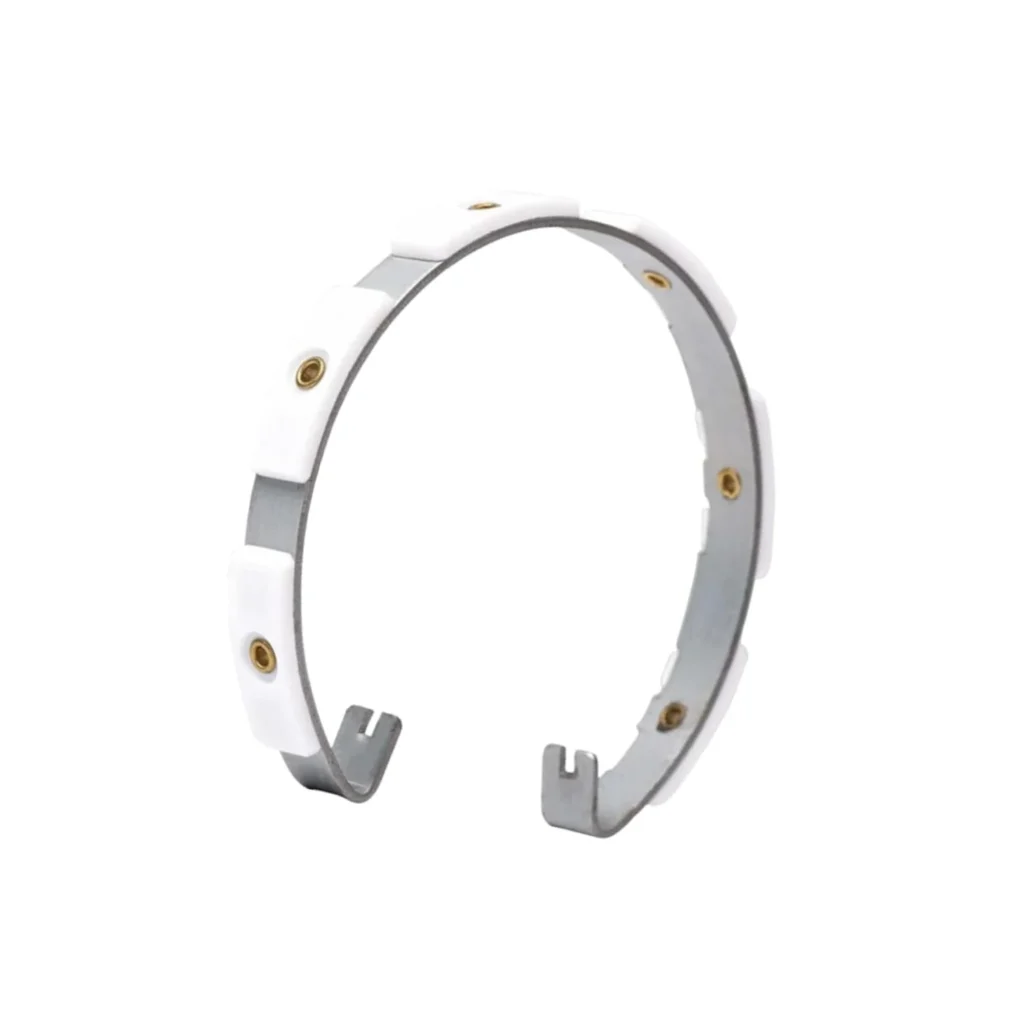
Here's something most people don't realize: the clutch band and lining in your Whirlpool or Maytag top-loader should last 8–12 years, but most fail around year 5. The difference? How you load your washer and whether you're catching the early warning signs before complete failure.
The W10817888 clutch assembly is what connects your washer's motor to the spin basket. It's essentially a friction-based coupling that engages during the spin cycle — and like brake pads on your car, it wears down with every use. Unlike brake pads, though, most people never think about it until their clothes come out soaking wet.
How Long Should It Last?
Under normal conditions, this clutch band should give you 8–12 years of reliable service. That's roughly 2,500–4,000 wash cycles for an average family. But I've seen these fail in as little as three years when washers are consistently overloaded or when unbalanced loads force the clutch to work overtime.
What kills clutch bands prematurely:
- Overloading — Stuffing too many clothes forces the clutch to slip excessively during engagement, wearing the lining faster
- Unbalanced loads — When the basket wobbles violently, the clutch engages and disengages repeatedly trying to stabilize
- Stopping mid-cycle frequently — Each interruption causes partial engagement wear
- Washing heavy items regularly — Comforters, rugs, and water-logged jeans put maximum stress on the friction surfaces
The good news? With proper loading habits and early detection of wear, you can push this part well past the 10-year mark.
Signs It's Wearing Out
The clutch band doesn't fail suddenly — it gives you plenty of warning. The trick is recognizing these symptoms before you're dealing with a basket that won't spin at all.
Clothes Coming Out Wetter Than Normal
This is the earliest sign. If you're noticing your clothes need an extra spin cycle or they're dripping when you transfer them to the dryer, the clutch lining is starting to slip. It's still engaging, but the friction material has worn down enough that it can't grip with full force. You'll especially notice this with heavier loads.
Burning Smell During Spin Cycle
That distinctive hot-friction smell — like burning rubber or overheated brakes — means the clutch lining is slipping significantly. The friction material is overheating because it's not gripping properly. Once you smell this, you're usually within a few weeks of complete failure.
Intermittent Spinning or Delayed Engagement
The washer drains, you hear the motor ramp up, but the basket hesitates for 3–5 seconds before starting to spin. Or it spins on some cycles but not others. This inconsistency means the clutch is worn unevenly or the lining has started to delaminate from the band.
Grinding or Squealing During Spin
When the friction lining wears completely through in spots, you'll hear metal-on-metal contact. This grinding sound means you're damaging other components now — the drive hub and the clutch housing can both be scored when bare metal makes contact.
Excessive Vibration During Spin
A worn clutch can't modulate the engagement smoothly, so the basket accelerates in jerky bursts rather than building speed gradually. This shows up as violent shaking even with balanced loads.
Prevention Strategies That Actually Work
Load Size Matters More Than You Think
Your washer's capacity rating assumes dry clothes. Once wet, that same load weighs 2–3 times more. Here's the rule I give customers: if you can't easily fit your forearm down between the clothes and the top of the basket, it's too full. That extra space allows the clutch to engage gradually rather than fighting maximum resistance immediately.
Balance Loads Before Starting the Cycle
Take 10 seconds to redistribute clothes evenly around the agitator before starting. Heavy items like jeans should be balanced with lighter items on the opposite side. This simple habit prevents the violent rocking that forces the clutch to repeatedly engage and disengage.
Use the Right Cycle for Heavy Items
Bulky/bedding cycles exist for a reason — they use a slower spin speed that reduces stress on the clutch. Washing a comforter on the normal cycle forces the clutch to handle loads it wasn't designed for.
Don't Stop and Restart Repeatedly
Every time you pause and restart during the spin cycle, the clutch has to re-engage from a standstill. If you need to add a forgotten item, do it before the wash cycle starts, not during or after agitation.
When to Replace vs Maintain
Here's the honest truth: the clutch band and lining isn't really maintainable in the traditional sense. There's no adjustment, no lubrication point, no way to refresh the friction material. Once it starts slipping, replacement is your only option.
But — and this is important — preventive habits can double its lifespan. Everything in the section above is about preventing premature wear, not fixing wear that's already happened.
Replace immediately if:
- You smell burning during spin cycles
- Clothes are consistently soaking wet after the final spin
- You hear grinding or metal-on-metal contact
- The basket won't spin at all (clutch has failed completely)
You can wait and monitor if:
- Clothes are slightly damper than usual but not dripping
- Spin engagement is delayed by 1–2 seconds but still happens
- You're within the first 4–5 years and suspect it's a loading habit issue
The W10817888 is compatible with most Whirlpool, Maytag, and Kenmore top-loaders manufactured between 2010–2020, including models like the MVWC300VW0, MVWC400VW1, and the MAT14 series. At $42.99, it's a straightforward fix that'll give you another 8–10 years if you address your loading habits at the same time you replace the part.
Frequently Asked Questions
Can I extend clutch life by using cold water instead of hot?
Water temperature doesn't affect clutch wear — the clutch operates in a sealed area separate from the wash basket. What matters is load weight and balance. Cold water won't save your clutch, but smaller loads will.
Does using high-efficiency detergent make any difference?
HE detergent reduces suds, which helps the washer handle loads more efficiently during the spin cycle. Excessive suds can cause the washer to repeatedly attempt spin cycles, which means more engagement cycles for the clutch. So indirectly, yes — proper detergent helps.
How do I know if my washer uses this specific clutch assembly?
Check your model number against the compatibility list. If your Maytag or Whirlpool top-loader was made between 2010–2020 and uses a traditional agitator (not an impeller), there's a 90% chance it uses the W10817888. The model number is typically on a sticker inside the lid or on the back panel. Models like MVWC450WW0, MVWC500VW series, and MAT14 and MAT15 series all use this part.
Element showing wear?
W10817888 · Replace before it fully fails