
How to Extend Your Whirlpool Shift Actuator Life — W10815027 Maintenance Guide
Unplug washer before any inspection. Do not operate washer if you smell burning or see smoke.
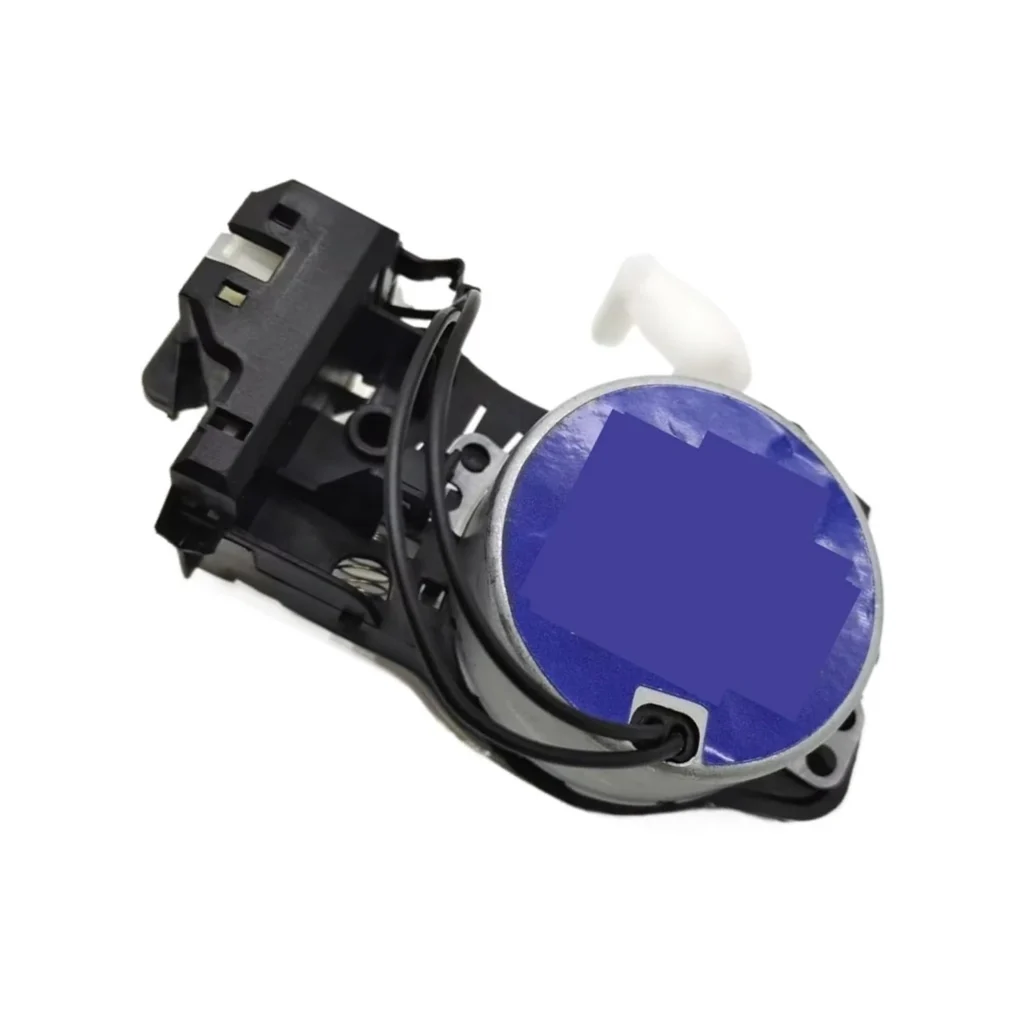
Here's what most people don't know: the shift actuator in your Whirlpool washer (like the W10815027 found in models WTW4816FW2, WTW4715EW2, and WTW5000DW1) should last 8–12 years. But most fail between years 5 and 7. The difference? How you treat your washer during those first few years of ownership.
The shift actuator is the electromechanical component that moves your washer's drive system between agitate and spin modes. It's basically a motor with a plastic gear assembly that physically shifts the transmission. Every load you run cycles this part at least twice — once to agitate, once to spin.
How Long Should It Last?
Under normal conditions, the W10815027 shift actuator should give you 8–12 years of service. That's roughly 3,000–4,500 wash cycles if you're running 6–8 loads per week.
But here's what kills them early:
- Overloading — Forces the actuator to work harder shifting a heavier transmission load
- Moisture exposure — Water leaks from door seals or hoses can corrode the actuator motor
- Electrical surges — Power fluctuations damage the internal circuitry
- Detergent buildup — Excess suds can migrate into the actuator housing
If you've got a basement laundry room prone to humidity, or you're running 12+ loads a week, expect to be on the shorter end of that lifespan.
Signs It's Wearing Out
The actuator doesn't just die overnight. It'll warn you first.
Grinding or Clicking During Mode Changes
You'll hear it when the washer transitions from fill to agitate, or from agitate to spin. It sounds like a ratcheting click-click-click or a mechanical grinding noise. That's the plastic gears inside the actuator wearing down or teeth breaking off. Once you hear this, you've got maybe 10–30 loads left before complete failure.
Washer Fills But Won't Agitate or Spin
The drum just sits there full of water. The actuator gets stuck in one position and can't shift the transmission. Sometimes unplugging the washer for 5 minutes "resets" it temporarily, but that's just the actuator cooling down enough to move again. This is end-stage failure.
Error Codes F7E1 or F7E5
These codes specifically indicate the control board can't communicate with the shift actuator or detects a motor speed issue during shifting. On models like the WTW4816FW1 and WTW4810EW2, you'll see these flash on the display. It's the washer telling you exactly what's failing.
Burning Smell During Operation
If the actuator motor is straining or the gears are binding, you'll smell hot plastic or electrical burning. Don't ignore this — shut the washer down immediately. Continued operation can damage the transmission or control board.
When to Replace vs Maintain
Let's be honest: you can't really "maintain" the shift actuator itself. It's a sealed unit. You can't oil it, you can't clean the internal gears, and you can't adjust it.
What you can do is maintain the environment around it:
Keep the washer level — An unlevel washer creates uneven loads on the transmission, which makes the actuator work harder to shift. Check your washer's level every 6 months. If it rocks even slightly, adjust the feet.
Don't overload — Follow the manufacturer's load capacity. For most Whirlpool top-loaders using this actuator, that's about 4.3–4.8 cubic feet. If you're jamming clothes down to fit more, you're overloading.
Use the right detergent amount — Excess suds can get into places they shouldn't. For HE washers (which most models using this actuator are), use HE detergent and follow the dosage on the bottle — usually 2 tablespoons or less per load.
Fix water leaks immediately — Any water dripping onto or near the actuator accelerates corrosion. Check door seals, hose connections, and the tub seal regularly.
Once the actuator starts making noise or throwing error codes, you're past maintenance. It's replacement time. The good news? It's a straightforward 30–45 minute repair if you're handy with basic tools.
Frequently Asked Questions
Can I just unplug my washer to reset the shift actuator?
Yes, but it's temporary. Unplugging for 5–10 minutes resets the control board and sometimes frees up a stuck actuator if it's just bound up from detergent residue. If this fixes the problem, great — but start planning for a replacement because the issue will come back. If unplugging doesn't help, the actuator is mechanically failed.
Will using less water extend the actuator's life?
Not directly, but it helps indirectly. Lower water levels mean lighter loads for the transmission to shift, which means less strain on the actuator. If your washer has a water level selection, using "auto" or the appropriate level for your load size is your best bet. Don't manually select "extra large" for every load if you're washing towels for two people.
Is it worth replacing the actuator on an 8-year-old washer?
Depends on the rest of the washer. If the tub, motor, and control board are solid, absolutely — the W10815027 runs about $40–$70 and buys you another 5+ years. But if you're also dealing with a leaking tub seal or a failing motor, you're better off replacing the whole washer. The actuator replacement is worth it if it's the only problem.
Element showing wear?
W10815027 · Replace before it fully fails