
How to Extend Your Whirlpool Dishwasher Door Latch Life — W10653840 Maintenance Guide
Never attempt to lubricate the latch mechanism — it will attract debris and cause failure. Always disconnect power before inspecting internal switch components.
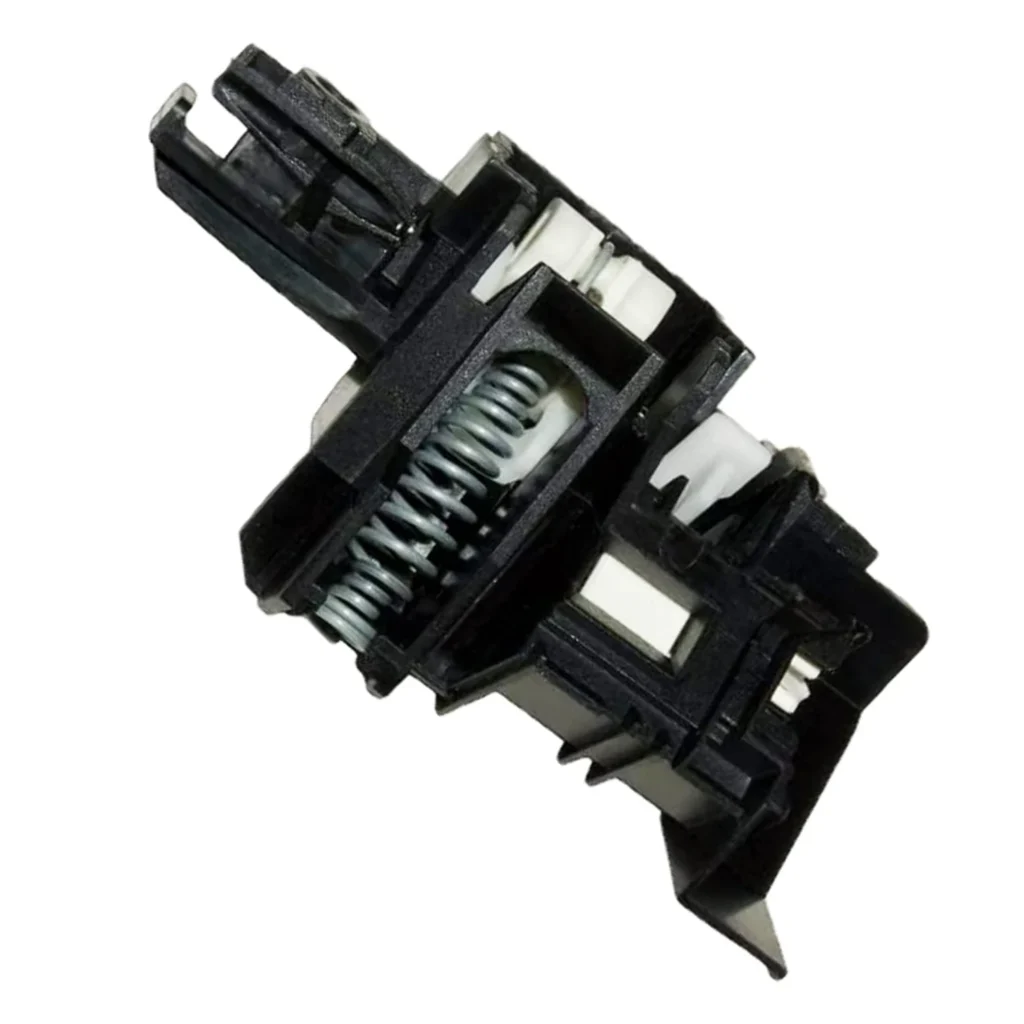
Most Whirlpool dishwasher door latches should last 8-12 years, but the average replacement happens around year 5. Here's the problem: door latches on models like the WDT720PADM series or WDTA50SAHZ0 fail early not because they're poorly made, but because nobody thinks to maintain them until the door won't close anymore.
The W10653840 latch assembly costs $16.99 to replace. Maintaining it properly? Takes about 3 minutes every few months and can double its lifespan.
How Long Should It Last?
Under normal conditions, the W10653840 door latch assembly typically lasts 8-12 years. The plastic striker plate and metal latch mechanism are designed to handle roughly 3,000-4,000 door cycles — that's opening and closing your dishwasher once or twice daily for a decade.
But here's what shortens that lifespan:
- Hard water deposits — Mineral buildup prevents the latch from fully engaging
- Food debris — Particles jam the striker mechanism
- Door slamming — Repeated impact stress cracks the plastic housing
- Detergent residue — Sticky buildup on the latch plate interferes with the magnetic switch
If you're running your dishwasher daily in an area with hard water and never cleaning the latch area, you're looking at 4-6 years maximum. With regular maintenance, you can push it to 10-15 years.
Signs It's Wearing Out
The W10653840 latch doesn't just fail overnight. You'll get warning signs weeks or months in advance.
Door Won't Close Properly
This is the most common early warning. The door closes, but you have to push harder than usual to get it to latch. Sometimes it pops back open when you walk away. What's happening: the striker plate has mineral deposits preventing full engagement, or the internal spring mechanism is wearing out. On models like the WDT710PAYM series, this often starts as an intermittent problem — works fine most days, then randomly won't catch.
Dishwasher Won't Start
The latch assembly contains a micro-switch that tells the control board the door is closed. When this switch fails or gets gunked up, your dishwasher thinks the door is open even when it's latched. You'll hear no sound, see no lights — just nothing. Before you replace the latch, try this: open and close the door firmly three times. If it starts working again, the switch contacts are dirty, not broken.
Leaking at the Door
Not the obvious kind of leak — a slow drip or moisture on the floor in front of the dishwasher. When the latch doesn't pull the door tight against the gasket, water escapes during the wash cycle. This is particularly common on KitchenAid models like the IUD7070DS0 where the latch needs to compress the door seal completely. If you're noticing dampness and your gasket looks fine, check the latch.
Monthly Maintenance Checklist
Set a phone reminder for the first of every month. This takes less time than wiping down your counters.
Step 1: Open the dishwasher door fully. Look at the latch assembly on the door's edge — you'll see the plastic striker plate (the part that hooks into the frame).
Step 2: Dampen a microfiber cloth with white vinegar. Wipe down the striker plate thoroughly, getting into the curved hook area where the latch catches. You're dissolving mineral deposits.
Step 3: Check the catch mechanism in the door frame (where the striker hooks in). Use a dry toothbrush to brush out any food particles or debris. Don't use water here — you don't want moisture near the electrical switch.
Step 4: Dry everything with a clean towel. Close and open the door 3-4 times. It should feel smooth and click decisively when latching.
Every Six Months: Deep Clean
Twice a year, go deeper. Remove any visible buildup with a plastic scraper (never metal — you'll scratch the finish). If you have hard water, make a paste with baking soda and vinegar, apply it to the latch mechanism, let it sit for 5 minutes, then wipe clean. This dissolves stubborn calcium deposits that monthly cleaning misses.
Check the striker plate for cracks. Even hairline cracks mean replacement is coming soon — don't wait until it breaks mid-cycle and your dishes don't get clean.
When to Replace vs Maintain
Be honest about what maintenance can and can't fix. If the plastic housing is cracked, no amount of cleaning will help — order the W10653840 replacement. If the door won't latch even after cleaning, the internal spring has failed.
But if you're experiencing intermittent issues, starting problems, or the door feels sticky when closing, try a thorough cleaning first. I'd estimate 40% of "failed" latches just need a good cleaning and adjustment.
Here's your decision framework:
- Clean first if: Door sometimes doesn't catch, dishwasher intermittently won't start, you can see mineral buildup or food debris
- Replace immediately if: Visible cracks in plastic, latch won't engage no matter how hard you push, broken striker hook, dishwasher leaks badly at the door
What Kills This Part Early
The number one killer isn't age — it's neglect combined with hard water. If you're in an area with mineral-heavy water and you're not maintaining the latch, you're asking for early failure.
Second biggest killer: kids slamming the dishwasher door. The W10653840 can handle normal closing force, but repeated slamming stress-cracks the plastic housing. Teach your family to close it gently — push until you feel resistance, then let the latch mechanism do the work.
Third: running the dishwasher when it won't fully close. Forcing a failing latch to work damages both the latch assembly and the door gasket. If the door won't close properly, stop using the dishwasher and address the issue immediately.
Frequently Asked Questions
Can I lubricate the dishwasher door latch?
No, and here's why: any lubricant will attract food particles and detergent residue, creating a gummy mess that jams the mechanism. The latch is designed to operate dry. If it feels stiff, that's buildup — clean it with vinegar, don't lubricate it. The only exception is if you have a service manual specifically calling for food-grade silicone lubricant on certain metal pivot points, but that's rare on the W10653840.
How do I know if it's the latch or the control board causing start problems?
Simple test: With the door closed, press the latch striker manually toward the catch mechanism (you're simulating a fully-engaged latch). If the dishwasher starts, the latch switch is the problem. If it still doesn't start, look elsewhere — control board, door switch wiring, or main control. On Whirlpool models like the WDF520PADM7, you can also check for a clicking sound when you close the door — that's the switch engaging.
Will a worn latch cause the dishwasher to leak?
Yes, absolutely. The latch pulls the door tight against the rubber gasket. When the latch wears or doesn't engage fully, there's a gap — even a tiny one — and water escapes during high-pressure wash cycles. If you're seeing moisture on the floor and your door gasket looks fine, the latch is the likely culprit. This is particularly common on the WDT750SAHZ0 and similar models where the door seal depends entirely on latch compression.
Element showing wear?
W10653840 · Replace before it fully fails