
How to Extend Your Whirlpool Dishwasher Door Gasket Life — W10542314 Maintenance Guide
Always disconnect power before inspecting or replacing dishwasher components. Water and electricity don't mix.
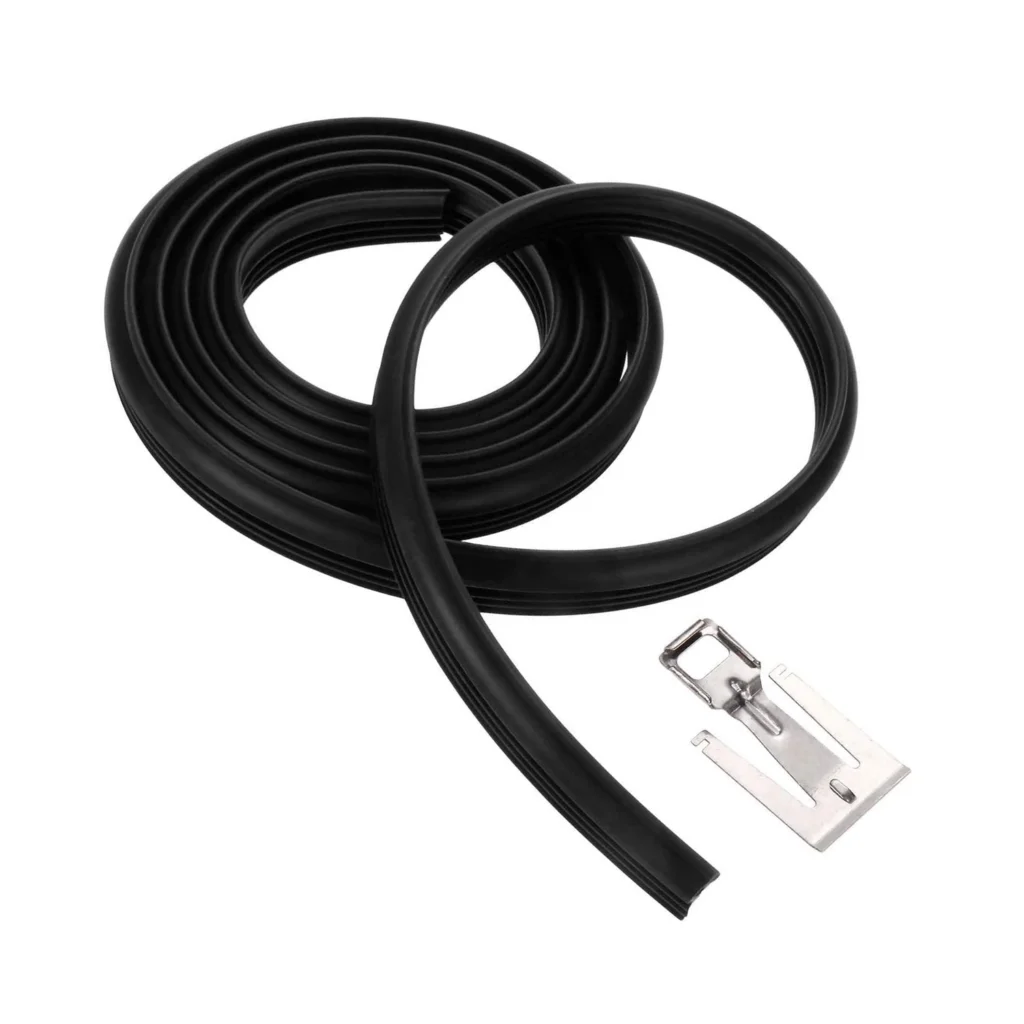
Most dishwasher door gaskets fail between 3-5 years, but here's the thing — the W10542314 gasket should last 7-10 years with proper care. The difference? A five-minute monthly routine and knowing what kills these gaskets early.
I've replaced hundreds of these gaskets in Whirlpool, Maytag, and KitchenAid dishwashers. Most failures aren't from age — they're from food buildup in the groove, detergent residue hardening the rubber, or nobody noticing a small tear until it becomes a flood.
How Long Should It Last?
The W10542314 gasket is designed for 2,500-3,000 wash cycles. If you run your dishwasher once daily, that's 7-8 years. But most households get 3-5 years because of three things:
- Hard water deposits — They crystallize in the gasket groove and create gaps
- Detergent buildup — Makes the rubber stiff and prone to cracking
- Food debris — Gets trapped and prevents proper sealing
Models like the WDT710PAYM3, WDF510PAYS6, and GU2475XTVY0 are particularly sensitive because their door closing mechanism puts more stress on the bottom gasket section.
Signs It's Wearing Out
Don't wait for water on your floor. Catch these early:
Door Won't Close Properly
If you're pushing harder than usual to latch the door, the gasket has likely swollen from moisture absorption or compressed from years of use. Check the bottom corners first — that's where gaskets fail on the WDF530PAYM3 and GU2275XTVY series.
Visible Leaking During Wash Cycle
Water escaping from the door means the seal is already compromised. Even a small puddle indicates the gasket isn't making contact around its entire perimeter. The W10542314 gasket has about 1 inch of overlap on each side that curves toward the door center — if this section tears or pulls loose, you'll see leaks at the bottom corners.
Dishes Not Cleaning Properly
This seems unrelated, but a failing gasket lets pressure escape. Your dishwasher needs that pressure to force water through the spray arms effectively. If the top rack dishes are coming out dirty on a unit like the GU2400XTPQ6, check the gasket before blaming the pump.
Visible Tears or Gaps
Run your finger around the entire gasket groove. You're feeling for sections that don't spring back, hardened areas, or actual tears. The rubber should feel pliable, not crusty or brittle.
Monthly Maintenance Routine (5 Minutes)
This simple routine will double your gasket's lifespan:
Step 1: Open the door and wipe the entire gasket with a damp cloth. Get into the groove where it sits — that's where crud hides.
Step 2: Mix equal parts white vinegar and water. Dip a toothbrush in it and scrub the gasket groove. This dissolves detergent residue and hard water deposits before they harden.
Step 3: Dry everything with a clean towel. Leaving moisture in the groove promotes mold growth and accelerates rubber degradation.
Step 4: Apply a thin layer of food-grade silicone grease to the gasket. This keeps the rubber supple and prevents drying out. Don't use petroleum-based products — they'll destroy the gasket.
What Kills Gaskets Fast
Avoid these common mistakes:
Running empty loads: Without dishes to buffer the heat, the gasket takes more direct heat exposure and dries out faster.
Using too much detergent: Excess detergent doesn't rinse away — it builds up in the gasket groove and hardens. Use the amount specified for your water hardness, not more.
Ignoring the gasket groove: That channel where the gasket sits needs cleaning too. Old gasket material and debris left behind will prevent a proper seal even with a new gasket.
Slamming the door: The W10542314 gasket is resilient, but repeated impacts compress the rubber permanently. Close firmly, don't slam.
When to Replace vs Maintain
Be honest about what you're seeing:
Maintain if: The gasket is intact, pliable, and just needs cleaning. Even if it's 5 years old, proper maintenance can add 2-3 more years.
Replace if: You see tears, hardened sections that won't flex, persistent leaking after cleaning, or gaps where the gasket has pulled away from the door. Once the rubber degrades chemically, no amount of maintenance will restore it.
Here's the test: Press your fingernail into the gasket. If it doesn't spring back immediately, the rubber has lost its elasticity — time to replace.
Installation Matters for Longevity
If you do need to replace your gasket, installation technique affects how long the new one lasts. One installer shared this method that prevents premature failure:
"Placed new gasket in warm water then found center of new gasket. Installed center of gasket in the top center groove. Then installed left and right sides of the gasket. There was about 1 inch of the gasket that extended past the gasket groove each side. Let it curve towards the center of the door."
That warm water step is critical — it makes the rubber pliable for proper seating. Skip it, and you're forcing a stiff gasket into the groove, which creates stress points that fail early.
Hard Water Areas Need Extra Care
If you're in a hard water area, run a dishwasher cleaner monthly and wipe down the gasket afterward. The mineral deposits will eat through the gasket faster than anything else. I've seen gaskets on GU2455XTSB3 and WDF510PAYS2 units fail in under 3 years solely from hard water damage.
Frequently Asked Questions
Can I use any cleaner on the dishwasher gasket?
No — avoid bleach, harsh chemicals, or abrasive cleaners. They'll dry out and crack the rubber. Stick to mild dish soap, white vinegar, or specialized gasket cleaners. If you need to remove mold, use a 10:1 water-to-bleach solution, then rinse thoroughly and apply silicone grease.
How often should I replace the gasket even with good maintenance?
Plan on 7-10 years with proper care, but inspect it annually after year 5. The rubber will eventually degrade from heat cycles and chemical exposure. If you're past 8 years and seeing any symptoms, replace it preemptively — the $52 gasket is cheaper than water damage to your cabinets.
My gasket looks fine but the door won't latch — is it the gasket or the strike?
Could be either. The W10542314 kit includes both the gasket and strike for this reason. A worn strike won't hold the door closed even with a perfect gasket. Check if the strike mechanism clicks firmly — if it feels loose or doesn't engage completely, replace both components together.
Element showing wear?
W10542314 · Replace before it fully fails