
How to Extend Your Whirlpool Dishwasher Heating Element Life — W10518394 Maintenance Guide
Always disconnect power at the circuit breaker before inspecting or servicing the heating element. The element carries 120V when energized and can cause severe electrical shock.
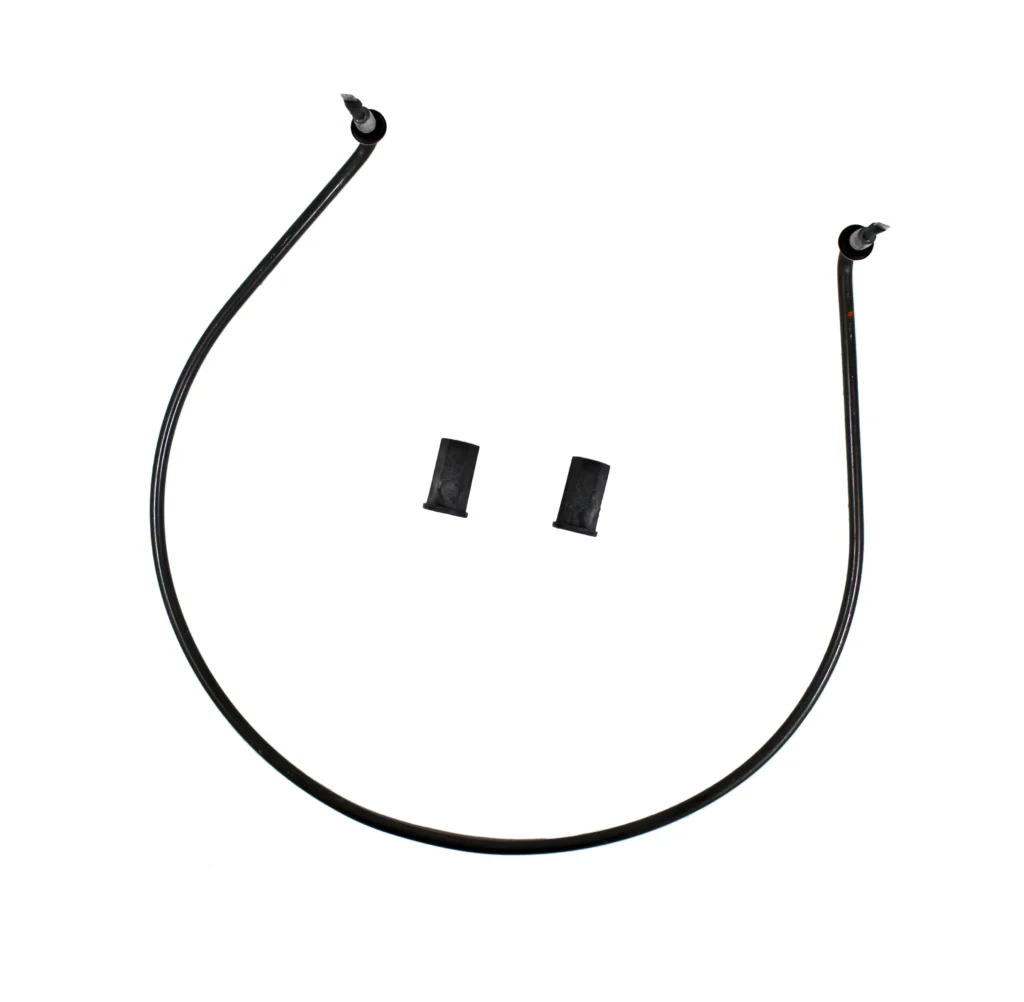
Here's the frustrating truth: most dishwasher heating elements fail between 5-8 years, but they're engineered to last 10-12. The difference? How you treat them. I've seen the W10518394 element burn out in WDF520PADM7 models after just four years because of hard water buildup, and I've watched the same part run strong for a decade in homes that followed basic maintenance. It's not complicated — it just requires paying attention to what your dishwasher is telling you.
How Long Should It Last?
The W10518394 heating element should give you 10-12 years in normal conditions. But "normal" is doing a lot of work in that sentence. If you're running short cycles constantly, never cleaning the filter, or have hard water, you'll see failures closer to the 5-7 year mark. The element sits at the bottom of your dishwasher's tub, submerged in whatever water quality you're working with. Mineral deposits act like insulation — they force the element to work harder to reach temperature, which accelerates wear.
I've replaced this exact element in WDF320PADW2 and WDF540PADM3 units where owners ran the dishwasher twice daily for large families. Even with heavy use, proper maintenance pushed lifespan past 9 years. The key factors: water hardness, cycle selection, and cleaning frequency.
Signs It's Wearing Out
The element doesn't just die overnight. It tells you it's struggling, but most people don't recognize the warnings until they're hand-drying every dish.
Dishes Coming Out Wet or Damp
This is the first sign. If your dishes need towel drying when they used to air-dry perfectly, the heating element isn't reaching full temperature during the dry cycle. You might think it's a minor inconvenience. It's actually your element operating at 60-70% capacity. The coils are developing resistance from mineral buildup or microscopic cracks. One user with a WDF520PADM3 told me their dishes "started leaving food on dishes and not drying dishes as well as it used to" — that's the exact progression I see repeatedly.
Dishes Aren't Getting Clean
Wait, isn't that a spray arm issue? Sometimes. But the heating element does more than dry — it heats the wash water to 140-160°F for proper sanitization and grease breakdown. When it's failing, water temperatures stay lukewarm. Detergent doesn't activate properly. Grease doesn't melt off. You'll notice cloudy glasses, greasy residue on plastics, and that white film on everything. If you're constantly rewashing loads, check the element before you blame the detergent.
Visible Damage or Discoloration
Pull out your bottom rack and look at the element. You're checking for white or grey chalky deposits (hard water scale), dark burn marks, or any breaks in the coil. One 69-year-old DIYer noticed "the element broke in our Whirlpool dishwasher" during a routine cleaning — the coil had physically separated. That's endgame. But you'll usually see heavy mineral crusting or dark spots months before complete failure. If the element looks more white than silver-grey, you're overdue for descaling.
Maintenance Schedule That Actually Works
Don't overcomplicate this. Three simple habits will double your element's lifespan.
Monthly: Run a dishwasher cleaning cycle with citric acid or white vinegar. Fill a dishwasher-safe bowl with two cups of white vinegar, place it on the top rack, and run a hot water cycle. The acid breaks down mineral deposits on the element before they bake on. I use citric acid powder monthly in hard water areas — it's more aggressive than vinegar.
Quarterly: Physically inspect and clean the filter. Food particles and grease that bypass the filter coat the element. That coating becomes carbon buildup when heated, which creates hot spots and uneven heating. Remove the cylindrical filter at the bottom of the tub, rinse it under hot water, scrub with an old toothbrush. Takes 3 minutes.
Annually: Check the element connections and run diagnostics. The W10518394 uses threaded posts that pass through the tub exterior with plastic nuts. Those nuts can loosen from thermal expansion cycles. From the outside (usually behind the kickplate), gently tighten the nuts. While you're there, run the service diagnostics cycle to reset the dishwasher to default settings — this recalibrates temperature sensors that work with the element.
When to Replace vs Maintain
Be honest with yourself. If the element has visible breaks, heavy pitting, or large sections covered in baked-on mineral deposits that won't scrub off, replacement beats maintenance. You can't restore metal that's already corroded through. Similarly, if your dishwasher is 8+ years old and the element has never been serviced, you're in replacement territory.
But if you catch early symptoms — slightly damp dishes, slower heating — aggressive descaling can buy you 1-2 more years. I've saved elements in WDF510PAYS6 and WDF310PAAS3 models with concentrated citric acid soaks (remove the element, soak in citric acid solution for 2 hours, reinstall). That only works if the metal itself isn't compromised.
One user replaced both the heating element and high limit thermostat after noticing declining performance. That's overkill for maintenance, but it's the right call if you're already experiencing multiple symptoms. The thermostat costs $15-20 and prevents the element from overheating. If you're replacing the element anyway, swap the thermostat — they wear together.
Hard Water Changes Everything
If you have hard water (above 7 grains per gallon), normal maintenance won't cut it. Install a water softener or use rinse aid religiously. Rinse aid isn't just for spot-free glasses — it prevents mineral adhesion to the element. I've seen WDF520PADM0 elements in hard water homes need replacement every 4-5 years despite monthly cleaning. The same element in soft water areas? Ten years, easy.
Test your water hardness with a $10 kit from any hardware store. If you're over 10 grains, increase descaling frequency to every 2-3 weeks. Use powdered citric acid instead of vinegar — it's stronger and doesn't leave an odor.
Frequently Asked Questions
Can I run the dishwasher with a partially failed heating element?
Yes, but you're creating other problems. Dishes won't sanitize properly at low temperatures, and you'll need to hand-dry everything. More importantly, a failing element draws inconsistent current, which can damage the control board over time. If you notice symptoms, plan replacement within a few weeks — don't let it drag on for months.
Will using the heated dry setting wear out the element faster?
Not really. The element is designed for heated dry cycles. What wears it out is running at maximum load constantly without maintenance. If you skip heated dry, you extend lifespan by maybe 6-12 months over a decade — negligible. Use the feature you paid for, just maintain the element properly.
Do I need special tools to check the element condition?
No. Pull out the bottom rack and look. If you want to test electrical continuity, a $15 multimeter will tell you if the element circuit is intact. Set to ohms, touch probes to each terminal — you should read 15-30 ohms. If it reads infinite resistance, the element's broken internally even if it looks fine. But visual inspection catches 90% of problems.
Element showing wear?
W10518394 · Replace before it fully fails