
How to Extend Your Whirlpool Washer Drain Pump Life — W10403802 Maintenance Guide
Always unplug washer and shut off water before inspecting pump. Place towels under pump area—residual water will drain when accessing filter.
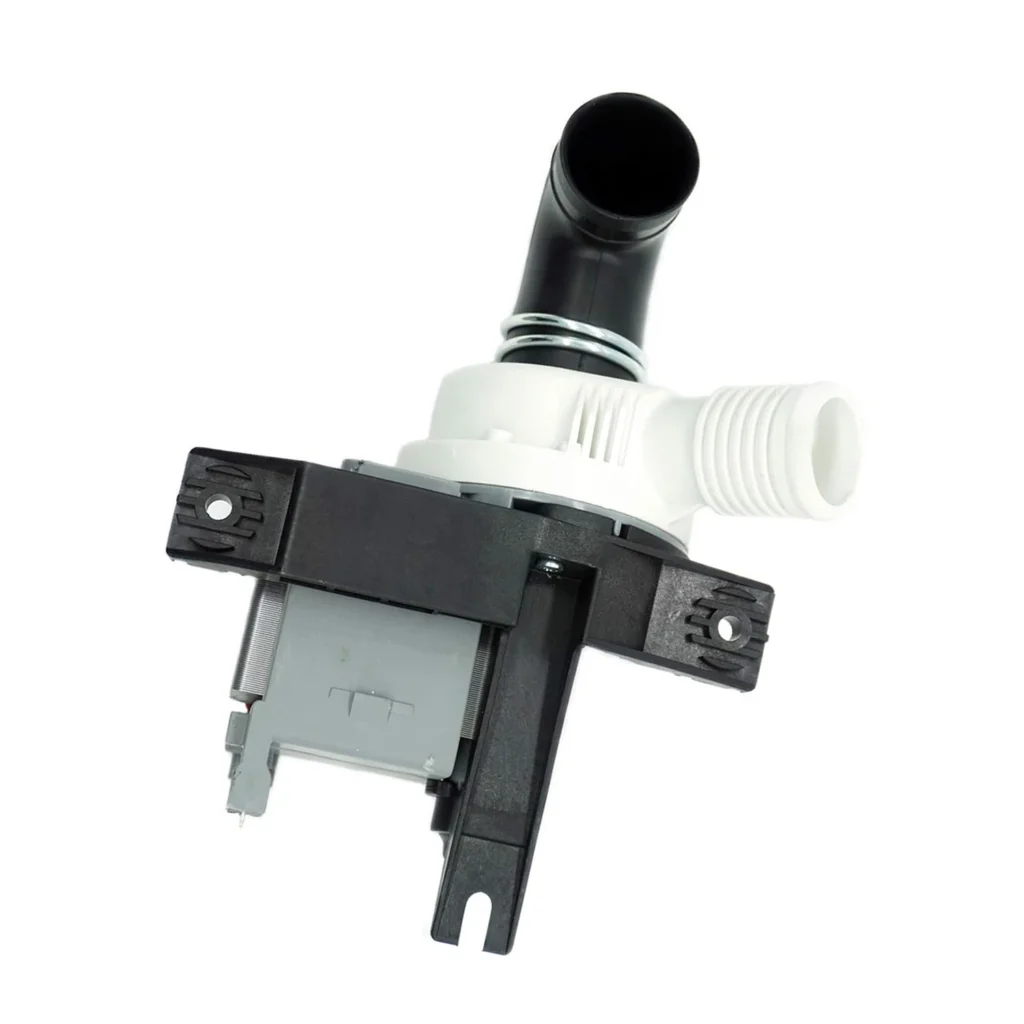
Here's something most people don't know: the drain pump in your Whirlpool or Maytag washer (models like the WTW8000BW0 or MVWB850YW1) should easily last 8-10 years. But in reality? Most fail around year 5. The difference isn't luck—it's what's going down your drain.
I've replaced hundreds of W10403802 drain pumps over two decades, and I can tell you this: about 70% of the failures I see are preventable. A coin lodged in the impeller. Built-up detergent sludge. A hairpin that worked its way into the pump housing. These aren't manufacturing defects—they're maintenance issues.
How Long Should the W10403802 Drain Pump Last?
Under normal conditions, this drain pump is designed for 8-10 years of service. That's roughly 3,000-4,000 wash cycles. But here's what affects that lifespan:
- Water hardness: Mineral deposits accumulate faster in hard water areas, restricting impeller movement
- Detergent type: Powdered detergents leave more residue than liquid or pods
- Load frequency: Running 2-3 loads daily vs. 5-7 makes a difference
- Foreign objects: Coins, bobby pins, and small items are the #1 killer
- Installation environment: Cold basement installations see more condensation issues
With proper care, I've seen these pumps last 12+ years. Without it, you might be replacing yours at year 4.
Signs Your Drain Pump Is Wearing Out
The W10403802 doesn't usually fail overnight. It gives you warnings—if you know what to listen for.
Grinding or Rattling During Drain Cycle
This is your first red flag. A healthy drain pump makes a steady humming sound. If you hear grinding, clicking, or rattling, something's interfering with the impeller. Could be a coin wedged in there, or the impeller blades themselves are damaged. Don't ignore this—it won't get better on its own.
Slow or Incomplete Draining
You open the washer door and there's still standing water in the drum. Or the cycle takes forever to finish because it's struggling to drain. This usually means the pump is working but weakened—often due to partial blockage or worn impeller blades that can't move water efficiently anymore.
Error Codes and Mid-Cycle Stops
Your Whirlpool or Maytag starts throwing drain-related error codes (like F9 E1 or LdF). Or it just stops mid-cycle with water sitting in the tub. The control board detects the pump isn't moving water fast enough and shuts everything down to prevent overflow.
Leaking from the Pump Area
If you spot water pooling under your washer near the front-left corner (where the pump sits), check the pump housing. The seal might be compromised—either from age, debris damage, or a cracked housing. This one needs immediate attention.
Maintenance Schedule That Actually Works
I'm not going to give you some complicated 12-step routine you'll never follow. Here's what actually prevents drain pump failure:
After Each Use (or Weekly if You Do Laundry Daily)
Check your pockets. Every single time. I've pulled out everything from lip balm tubes to AAA batteries. Set up a pocket-checking station near your washer—a small bowl for loose change, a trash can for tissues. Make it a habit before clothes go in.
Monthly Pump Filter Check
Your washer has a small drain filter (usually behind a panel at the bottom front). Once a month, open it up and clean it out. You'll find lint, hair, and the random small object that made it past the drum holes. This 5-minute task prevents 80% of pump clogs.
Place a shallow pan underneath before opening—about a cup of water will drain out.
Quarterly Deep Clean
Every three months, run an empty hot cycle with 2 cups of white vinegar. This dissolves detergent buildup and mineral deposits before they reach the pump. Skip the expensive "washer cleaner" tablets—vinegar works just as well and costs $3 a gallon.
Annual Pump Inspection
Once a year, actually look at the pump. Pull the lower front panel (it's usually just clips) and inspect the pump housing with a flashlight. Look for cracks, check the hoses for brittleness, and make sure the electrical connections are dry and secure. If you spot any cracks or significant wear, replace it before it fails mid-load.
When to Replace vs. Maintain
Here's the honest truth: if your drain pump is making grinding noises or leaking, maintenance won't fix it. You need a new W10403802. But if it's just slow or you're being proactive, these steps will keep it running.
Replace immediately if:
- You hear loud grinding or banging during drain cycles
- There's visible water leaking from the pump housing
- The pump won't run at all (and you've confirmed it's getting power)
- You see cracks in the pump housing or impeller damage
Maintain and monitor if:
- Draining is slightly slower than usual
- You occasionally hear minor clicking sounds
- The pump is 5+ years old but working fine
- You live in a hard water area (preventive care pays off)
The W10403802 costs $114.99. A service call to replace it costs $250-350. Spending 10 minutes a month on maintenance suddenly seems like a good investment.
The Real Cost of Neglect
I worked on a Maytag MVWB950YW1 last month where the owner ignored the grinding sounds for three weeks. By the time they called, the pump impeller had completely shattered and sent plastic shards through the drain hose, damaging the hose itself. What should've been a $115 pump replacement became a $180 job with the hose and extra labor.
Another customer with a WTW8000BW0 never checked pockets. A screw from a work shirt worked its way into the pump, cracked the housing, and flooded their laundry room. Insurance deductible: $1,000. Cost to prevent it: checking pockets.
Frequently Asked Questions
Can I Run My Washer If the Drain Pump Is Failing?
Technically yes, but you shouldn't. If the pump is grinding or barely draining, continuing to use the washer can cause secondary damage—to the pump motor, the control board, or even the drum bearings if water sits too long. Plus you risk flooding. If you're hearing unusual noises or seeing error codes, stop using it until you diagnose the problem.
How Do I Know If It's the Pump or Just a Clog?
Check the drain filter first—if it's packed with debris, that's your clog. Clean it out and test a cycle. If the pump still won't drain properly or makes noise, it's likely the pump itself. You can also disconnect the drain hose and blow through it (or run water through it in a utility sink) to confirm it's clear. If the hose is fine and the filter is clean, it's the W10403802.
Does Using High-Efficiency Detergent Really Matter for Pump Life?
Absolutely. Regular detergent creates more suds than your HE washer can handle, and those suds leave a soapy film throughout the system—including the drain pump. Over time, that film traps lint and debris, creating sludge that clogs the impeller and wears out the motor. Always use HE detergent in HE washers, and use less than you think you need. Most people use 2-3x the recommended amount.
Element showing wear?
W10403802 · Replace before it fully fails