
How to Extend Your Whirlpool Tub Centering Spring Life — Maintenance Guide
Always unplug washer before inspecting springs. Tub can drop suddenly if springs fail during inspection.
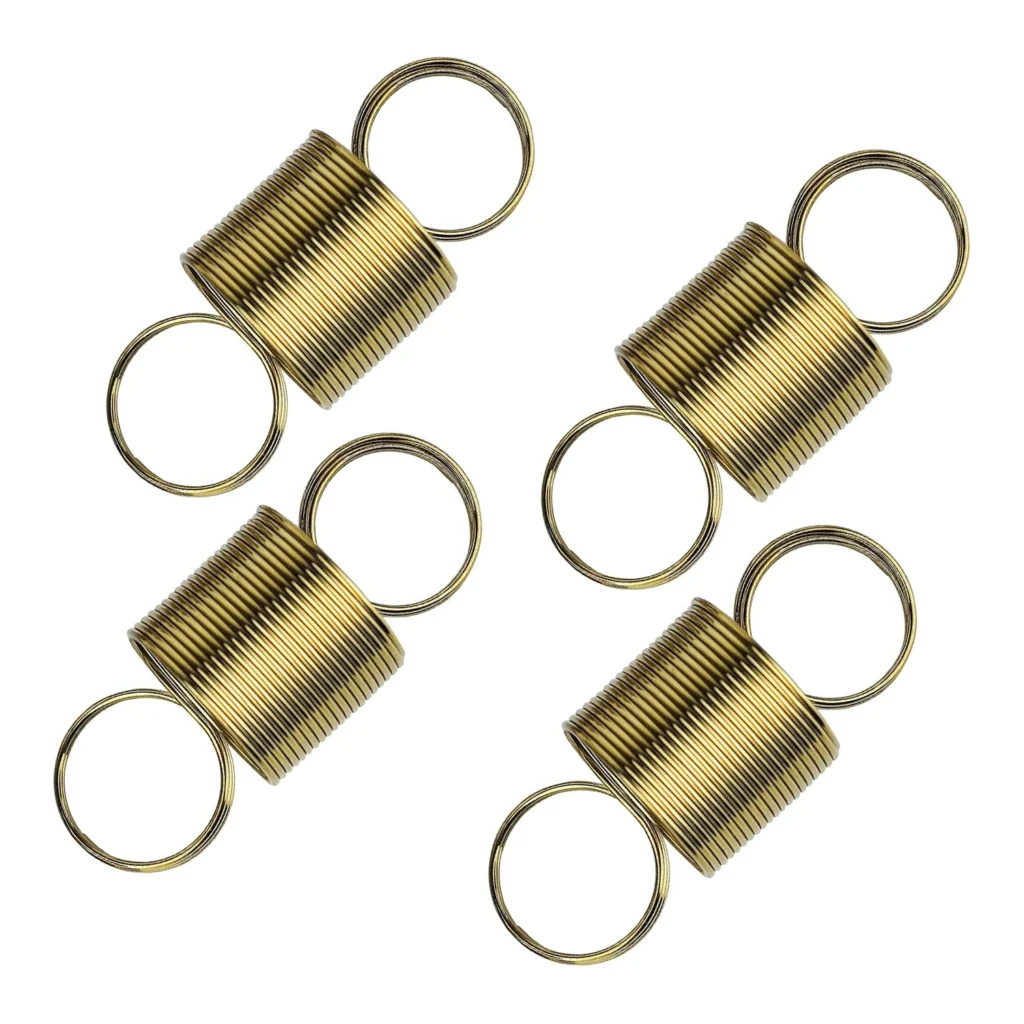
Most tub centering springs last 5–7 years. But here's what repair techs see constantly: they fail in 2–3 years on machines that run hot, heavy loads daily. I've replaced these springs on hundreds of Whirlpool, Maytag, and Amana washers — usually after owners ignore the telltale shaking that starts months before complete failure.
How Long Should These Springs Last?
The W10400895 spring kit contains two heavy-duty suspension springs designed for 1,500–2,000 wash cycles. That's 5–7 years for average households running 6 loads weekly.
What kills them faster:
- Overloading — Cramming in king-size comforters stretches springs beyond their elastic limit
- Unbalanced loads — Washing one heavy towel creates uneven stress that fatigues metal faster
- High-speed spins with worn shocks — When cabinet shocks wear out, springs absorb all the vibration
- Rust from damp environments — Basements with poor ventilation accelerate corrosion
On models like the WTW4900AW0 and MVWC400XW4, I've seen springs last 10+ years when owners follow load guidelines religiously.
Signs Your Springs Are Wearing Out
These springs don't fail overnight. They give you weeks of warning signals that most people mistake for other problems.
Shaking and Moving During Spin Cycle
This is the #1 symptom. Your washer walks across the floor during spin, sometimes moving 6–12 inches per cycle. You'll hear it — a rhythmic thumping that gets louder as RPMs increase. Check the springs when this starts, because once a washer walks, it's stressing cabinet mounts and hoses that weren't designed for that movement.
I've seen WTW4910XQ1 units literally walk down basement stairs because owners ignored this for months.
Spinning Issues — Inconsistent Speed or Stopping Mid-Cycle
Weak springs can't keep the tub centered during high-speed spins. The control board detects excessive movement and either slows the spin or stops completely with an error code. On Maytag models like the 7MMVWC300YW1, you'll see the drum wobbling visibly through the glass door before the machine shuts down.
This isn't always a control board problem — it's often springs that can't do their job anymore.
Visible Rust, Stretching, or Deformation
Pull the front panel off your washer (takes 5 minutes on most Whirlpool top-loaders). Look at the springs connecting the tub to the cabinet frame. Fresh springs are silver-gray and uniform. Worn springs show:
- Orange-brown rust spots, especially at hook ends
- Visible stretching — one spring noticeably longer than the other
- Bent or deformed coils that no longer sit parallel
- Loose hooks that rattle when you tap them
Maintenance That Actually Extends Spring Life
Here's what works based on 20 years of seeing what kills these springs early versus what keeps them working:
Load Management Is Everything
Fill the tub only 3/4 full. Seriously. That extra space lets clothes move freely and keeps weight balanced. For the NTW4630YQ0 and similar Amana models, that means 16–18 pounds max, not the 22-pound capacity listed in the manual.
Never wash one heavy item alone. Throw in 2–3 towels to balance a bathrobe or jeans. Unbalanced loads create asymmetric spring stress that causes metal fatigue.
Annual Spring Inspection
Once a year, unplug the machine and remove the front access panel. You're checking for:
- Rust formation (treat with rust converter spray if caught early)
- Hook integrity at connection points
- Even tension — both springs should look identical
If you see rust starting, spray with silicone lubricant (not WD-40, which attracts dust). This adds 1–2 years of life.
Control Humidity in Laundry Areas
Run a dehumidifier if your laundry room stays above 60% humidity. Springs on 7MWTW1501AW0 units in damp basements rust through in 3 years. Same springs in climate-controlled rooms last 8+ years. Metal doesn't lie.
When to Replace vs. Maintain
Replace immediately if:
- You see any spring stretched more than 1/4 inch longer than its partner
- Rust has eaten through any coil (you'll see pitting or holes)
- The washer walks more than 2 inches during a normal spin
- Hooks are bent or show cracks at weld points
The W10400895 kit costs $10.99 and takes 30 minutes to install. Don't spend that time maintaining springs that are already compromised — just replace them. Weak springs stress $200 transmission mounts and $150 control boards.
Keep maintaining if springs show light surface rust only, no stretching, and the machine stays put during spins. You've got 1–2 years left easy.
Frequently Asked Questions
Can I Replace Just One Spring or Do I Need Both?
Always replace both. Even if only one looks worn, they've both endured the same stress cycles. Installing one new spring next to one old spring creates uneven suspension — your washer will shake worse than before. The W10400895 kit includes two springs specifically for this reason.
Will Maintenance Stop My Washer from Shaking Right Away?
No. If your WTW4800XQ2 or 7MMVWX500YW1 is already walking during spins, the springs are beyond maintenance — they need replacement. Lubrication and inspection prevent future failures, they don't restore worn metal. Once a spring has stretched or corroded significantly, its spring constant has changed permanently.
How Do I Know If It's Springs or Shock Absorbers Failing?
Push down hard on opposite corners of the tub with the machine unplugged. If it bounces back quickly (less than 1 second), your shocks are fine and springs are the problem. If the tub settles slowly or stays compressed, you need shocks. On models like the NTW4601XQ0, both components often wear together — check both while you've got the panel open.
Element showing wear?
W10400895 · Replace before it fully fails