
How to Extend Your Whirlpool Washer Drain Pump Life — W10391443 Maintenance Guide
Disconnect power before accessing pump. Expect 1-2 gallons of water spillage when removing filter. Do not run washer with pump filter removed.
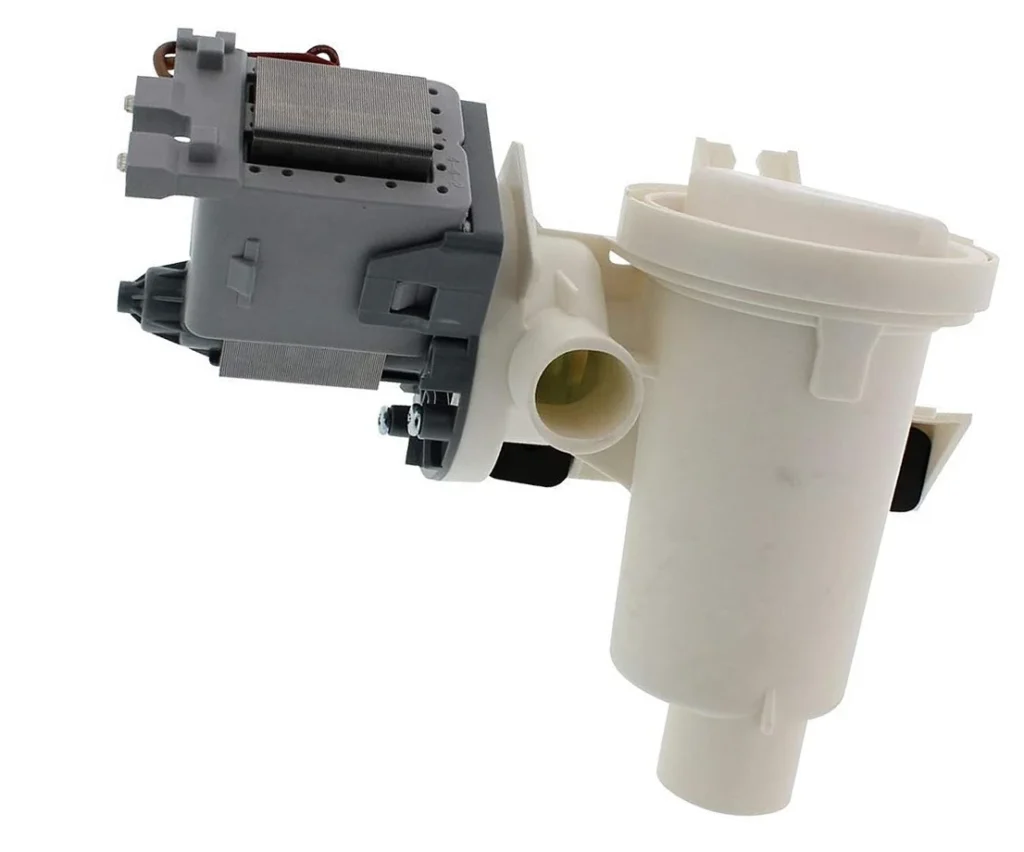
Most Whirlpool washer drain pumps like the W10391443 should last 8-10 years, but I've seen them fail at the 3-year mark because of something completely preventable: lint buildup and foreign objects. The pump in your WFW70HEBW0 or WFW86HEBC1 doesn't have to be a ticking time bomb if you know what stresses it out.
Here's the reality — this pump moves roughly 20-30 gallons of water per load. Over a year, that's thousands of gallons carrying lint, pet hair, coins, and fabric fibers. Every bit of that debris either passes through or gets stuck, and when it gets stuck, your pump works harder until it doesn't work at all.
How Long Should It Last?
The W10391443 drain pump is rated for approximately 3,000-4,000 hours of operation. For the average household doing 8-10 loads per week, that translates to:
- Without maintenance: 5-7 years with increasing drainage issues toward the end
- With regular care: 8-12 years with consistent performance
- Hard water areas: Knock off 20-30% from those numbers
What affects lifespan the most? It's not how often you use it — it's what goes through it. A household with shedding pets, construction workers' clothes, or kids who forget to empty pockets will burn through pumps faster than someone washing office clothes twice a week.
Signs It's Wearing Out
The W10391443 doesn't fail silently. It tells you it's struggling, usually weeks before it completely quits. Pay attention to these signals.
Will Not Drain Completely
This is the textbook symptom. You open the washer door and there's standing water at the bottom — anywhere from an inch to several inches. Sometimes it drains partially, leaving clothes soaking wet. The pump motor is running (you can hear it), but water isn't moving. This usually means the impeller is blocked or worn down to the point where it can't create adequate suction.
On models like the WFW8640BW0 or WFW80HEBW1, you'll notice this first on heavy loads like towels or jeans. The pump can handle small loads fine, but larger volumes overwhelm its diminished capacity.
Grinding or Rattling Noise During Drain Cycle
A healthy drain pump makes a steady humming sound. If yours sounds like it's chewing gravel, something's caught in the impeller — a coin, a button, a bobby pin. You've got maybe 10-20 cycles before that foreign object damages the impeller blades or cracks the pump housing.
Don't ignore this noise. I've pulled apart pumps where a single penny wore a groove into the impeller deep enough to kill the pump's efficiency by 40%.
Extended Drain Time
Your drain cycle used to take 90 seconds. Now it's pushing 3-4 minutes. The pump's still working, but it's laboring. This happens when lint accumulates around the impeller or when the pump's internal seals start leaking, reducing pressure. It's the "dying slowly" phase — fixable if you catch it, fatal if you don't.
Burning Smell During or After Drain Cycle
This is the pump motor overheating because it's working against a blockage. The smell is distinctive — hot electrical components, sometimes with a plastic edge to it. If you smell this, stop using the washer immediately. Running an overheating pump will burn out the motor windings, turning a $20 cleaning job into a $186 replacement.
Maintenance Schedule That Actually Works
I'll be straight with you — most people don't maintain their drain pump until it fails. That's expensive. Here's what'll keep your W10391443 running well past its expected lifespan.
After Every 30 Loads (Monthly for Most Households)
Check and clean the drain pump filter. On Whirlpool front-loaders like the WFW70HEBW series, it's behind the small access panel at the bottom front. Place a shallow pan underneath, unscrew the filter (expect water to spill), and remove any lint, hair, or debris. Rinse it under running water and screw it back in finger-tight.
This single step prevents 80% of premature pump failures. I've seen filters packed so tight with lint they looked like felt fabric.
Every 3 Months
Inspect the drain hose for kinks or clogs. Disconnect it from the standpipe, run water through it from a utility sink. Look for slime buildup inside — that's detergent residue and fabric softener creating a coating that restricts water flow. If the hose interior feels slimy, soak it in hot water with a cup of white vinegar for 30 minutes.
Every 6 Months
Run an empty hot water cycle with 2 cups of white vinegar. This dissolves mineral deposits and detergent buildup in the pump chamber and hoses. Don't use bleach for this — vinegar is less corrosive and just as effective for buildup removal.
If you have hard water, do this monthly instead. Calcium deposits can lock up the impeller in under a year in severe hard water areas.
Annually
Consider having the pump inspected if you're handy enough to access it (or call someone who is). Check the impeller for wear, cracks in the housing, and leaks around the seals. The W10391443 pump is easier to access than most — you'll need to tip the washer back and remove the front lower panel. While you're there, check the wire connections to the pump. Corrosion on the terminals is a common cause of intermittent failures.
When to Replace vs Maintain
Here's the honest decision framework: If your pump is making noise, draining slowly, or showing any symptoms AND it's over 5 years old, replacement is probably smarter than repair. At that age, even if you fix the immediate problem, other components (seals, bearings) are near end-of-life too.
However, if your pump is under 5 years old and you've never cleaned the filter, start with maintenance. I'd say 60% of "failed" drain pumps I've seen just needed the filter cleaned and the impeller checked for blockages.
Cost-wise: 30 minutes of maintenance every month costs nothing. A new W10391443 costs $186. Do the math.
What Kills This Pump Fastest
- Pet hair: Creates a felt-like mat over the filter that starves the pump of water flow
- Coins and small objects: Damage the impeller blades, causing imbalance and vibration that destroys bearings
- Fabric softener overuse: Leaves a waxy coating inside the pump chamber that restricts flow
- Running empty cycles: The pump needs water to lubricate and cool itself; dry running kills it fast
- Hard water with no treatment: Calcium deposits cement the impeller in place
Frequently Asked Questions
How often should I clean the drain pump filter on my WFW86HEBC0?
Every 30 loads minimum, or monthly if you wash pet bedding, work clothes, or have shedding pets. For households doing 2-3 loads daily, check it every two weeks. The filter is designed to be user-serviceable, so there's no excuse for letting it go a year between cleanings like most people do.
Can I use drain cleaner to clear a slow-draining washer pump?
Never. Drain cleaners are caustic and will destroy the rubber seals and plastic components inside the W10391443 pump. They also don't dissolve lint or fabric — the actual cause of most blockages. Use hot water and vinegar, or mechanically remove the blockage. That's it.
My pump is making noise but still drains — is it urgent?
Yes. Noise means something's interfering with the impeller. Every cycle you run is causing more damage. Stop using the washer, check the filter for objects, and inspect the pump chamber. A $0 fix now prevents a $186 replacement in two weeks when that noise turns into "won't drain at all."
Element showing wear?
W10391443 · Replace before it fully fails